Flange Tagging Solutions for Pipeline Integrity and Process Safety
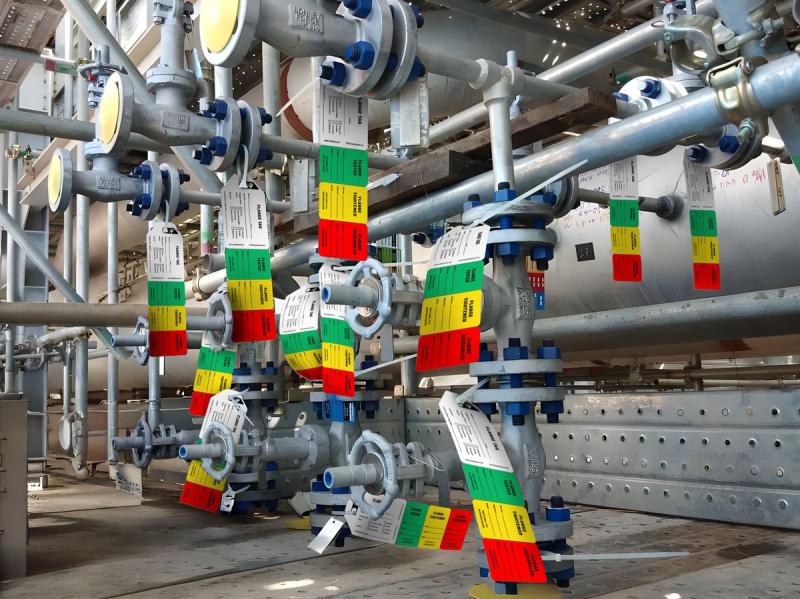
In high-risk industrial sectors such as oil and gas, petrochemicals, and pipeline construction, the integrity of flange connections plays a critical role in ensuring operational safety and environmental protection. A single leak at a flange joint can lead to hazardous exposure, pressure loss, or even disastrous failure. To mitigate these risks, many facilities have adopted flange tagging systems - a visual and procedural tool that enhances control, traceability, and compliance during flange break and reassembly.
This
article explores how flange tags contribute to pipeline integrity and process
safety, offering insights into their design, application, and integration
within broader safety systems.
What are Flange Tags?
Flangetags are
physical indicators applied to flange joints during maintenance, shutdowns, or
commissioning activities. Their primary purpose is to provide a step-by-step
verification trail for technicians and inspectors. Typically made from
durable materials, these tags feature:
· Color-coded tear-off sections that correspond to specific
stages of the flange handling process (e.g., loosening, cleaning, torquing,
inspection).
· Fields for technician initials,
torque values, and dates,
enabling traceability and accountability.
· Sequential numbering to track flange locations and
ensure no joint is overlooked.
By
enforcing procedural discipline and offering visual confirmation, flange tags
help teams maintain control over complex operations involving hundreds or even
thousands of flange points.
The Link Between Flange Tags and Pipeline Integrity:
Improper flange reassembly is a leading cause of leaks and pressure failures in industrial piping systems. These failures not only disrupt operations but also pose serious safety and environmental risks. Flange tags address this challenge by:
· Standardizing the reassembly process, ensuring that each step is
completed and documented.
· Reducing human error, especially in multi-shift or
contractor-driven environments.
· Supporting leak-free startups, which are essential during plant commissioning
or post-maintenance restart.
In
remote pipeline systems or high-pressure environments, where visual
verification is difficult and stakes are high, flange tags offer a simple yet
powerful solution for maintaining system integrity.
Enhancing Process Safety Through Visual Control:
Beyond
mechanical assurance, flange tags serve as visual cues that
improve communication and coordination across teams. Their presence on a flange
joint immediately signals the status of work - whether it’s in progress,
awaiting inspection, or cleared for operation.
This visibility supports:
· Permit-to-work systems, by showing which flanges are
isolated or under maintenance.
· Lockout Tagout integration, by aligning flange status with
energy isolation protocols.
· Shift handovers, ensuring that incoming teams can
quickly assess the status of flange work without relying solely on verbal
communication.
In
high-tempo environments, visual control is essential for reducing misunderstandings
and reinforcing safe practices.
Flange Tag Applications Across Industries:
Flange tagging is not limited to a single sector. Its versatility makes it valuable across a range of industrial applications:
· Oil & Gas: Used during hydrotesting, valve
isolation, and hot work preparation to ensure joint integrity and prevent
leaks.
· Petrochemicals: Applied to high-temperature,
high-pressure flanges where traceability and procedural discipline are
critical.
· Pipeline Construction: Supports phased commissioning by
tracking flange completion across long stretches of piping.
· Utilities and Energy: Enhances preventive maintenance and
emergency response by clearly identifying flange status.
In each case,
flange tags contribute to safer, more efficient operations by making flange
management visible, verifiable, and standardized.
Customization and System Integration:
To maximize effectiveness, customized flange tags can be used during specific operational needs. Common customization options include:
· Company logos and branding, reinforcing ownership and
accountability.
· QR codes, linking to digital procedures,
torque charts, or inspection records.
· Multilingual instructions, essential for global teams or
contractor-heavy sites.
· Site-specific text, tailored to local procedures or
equipment types.
Flange
tags can also be integrated into broader safety systems, such as:
· LOTO procedures, ensuring that flange isolation
aligns with energy control protocols.
· Digital flange management platforms, where tag data is logged and
analyzed.
· Tag section holders, which organize and track tag
inventory across departments.
Standardizing
flange tagging across sites or departments enhances consistency, reduces
training time, and supports continuous improvement.
Compliance, Audits, and Continuous Improvement:
Flange
tags play a vital role in regulatory compliance and quality assurance. By
creating a verifiable audit trail, they support documentation for:
· OSHA and ISO standards, which require traceable safety
procedures.
· Internal audits, helping safety teams identify gaps
or inconsistencies.
Post Your Ad Here
Comments