From Compliance to Culture: The Role of Lockout Padlocks during LOTO Procedure
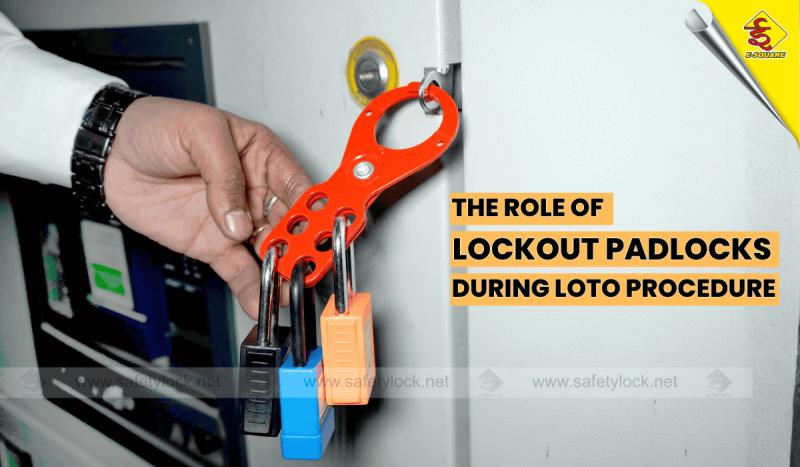
In every industrial workplace, safety is more than a checklist - it is a culture. While regulations such as OSHA and ISO mandate the use of Lockout Tagout procedures to control hazardous energy, true safety excellence comes when organizations move beyond compliance and embed these practices into their daily operations. At the heart of this transformation lies a deceptively simple device: the lockout padlock.
Lockout Padlocks: More Than Just a Lock
A lockout padlock is not just a piece
of hardware; it is a symbol of ownership, accountability, and protection. Each
padlock represents the commitment of an individual worker to ensure that
machinery remains de‑energized until tasks are safely completed. By securing
isolation points, padlocks prevent accidental start‑ups, protect lives, and
reinforce trust among teams.
E-Square Alliance designs lockoutpadlocks with precision - available in regular and long shackle
models, steel or nylon options, and customizable features such as color coding,
numbering, and logos. These variations ensure compatibility across industries
while strengthening communication and accountability.
From Compliance to Culture:
- Compliance: Regulations require that hazardous energy sources be locked out during
servicing. Padlocks fulfill this requirement by physically preventing re‑energization.
- Culture: When workers apply their personal padlocks, safety becomes
personal. It shifts from being a rule imposed by management to a
responsibility embraced by every individual. This act builds a culture of
trust, ownership, and collective protection.
By embedding padlocks into daily
routines, organizations move from “checking the box” to creating a living
safety culture where every lock tells a story of care and responsibility.
The Role of Padlocks in LOTO Procedure:
Lockout padlocks are central to each step of the LOTO process:
- Isolation - Once energy sources are identified and isolated, padlocks
secure the lockout devices.
- Authorization - Each worker applies their own padlock, ensuring no one can
remove it without their consent.
- Verification - Padlocks remain in place until all tasks are complete and
every worker has removed their lock.
- Re‑energization - Only after the last padlock is removed can equipment be
safely restarted.
This simple yet powerful sequence
ensures that safety is not compromised at any stage.
Benefits
of E-Square Lockout Padlocks
- Durability: Built from high‑quality materials to withstand harsh industrial
environments.
- Customization: Options for multilingual tags, department coding, and company
branding.
- Compliance: Designed to meet OSHA and ISO standards, simplifying audits.
- Trust: Reinforces accountability by linking each lock to an individual
worker.
- Versatility: Available in multiple shackle sizes and materials for diverse
applications.
Conclusion: Small Device, Big Impact
Lockout padlocks may be small, but
their impact is immense. They transform LOTO from a compliance requirement into
a culture of safety, accountability, and trust. By choosing E-SquareAlliance, organizations gain more than just padlocks - they gain a
partner committed to building safer workplaces and achieving zero accidents.
From compliance to culture, E-Square
padlocks are the key to locking out risk and unlocking confidence.

Post Your Ad Here
Comments