Why Flange Tags Matter: Building a Culture of Visual Accountability
Why
Flange Tags Matter: Building a Culture of Visual Accountability
In
complex industrial environments, safety is not just about compliance - it is
about clarity, communication, and accountability. Flange tags, though small in
size, play a powerful role in ensuring that workers can visually confirm the
status of pipelines, valves, and connections. They transform technical
isolation into visible assurance, making safety tangible and traceable.
What are Flange Tags?
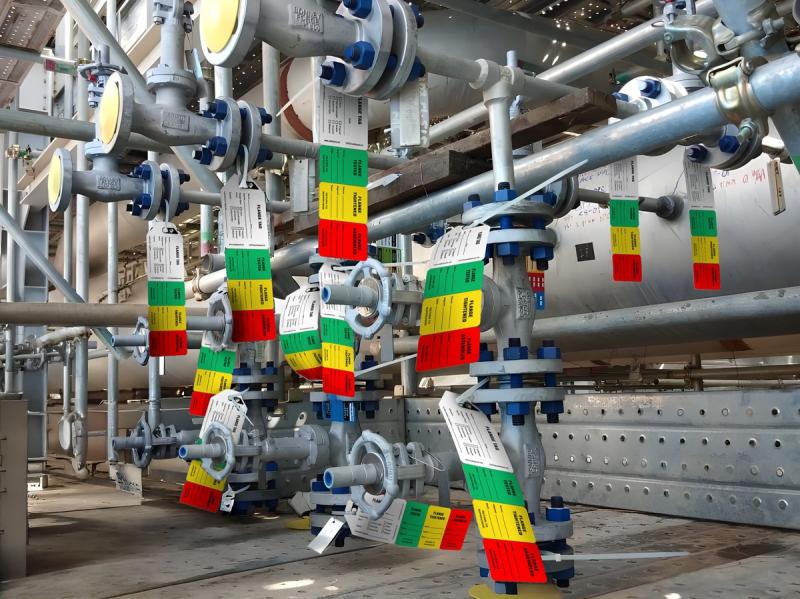
Flange
tags are durable identifiers attached to pipeline flanges or valves during
isolation, maintenance, or inspection. They provide a visual checklist and
a traceable record of each step in the flange management process,
ensuring that equipment remains safely isolated until all procedures are
complete.
To meet varying project requirements, flange tags are available in multiple formats:
3-Stage Flange Tags - 3 stage flangetags are designed with three color-coded tear-off sections and two
perforations. Ideal for commissioning, shutdowns, and turnaround projects where
strict sequencing is critical.
4-Stage Flange Tags - Include four distinct stages,
often used in complex maintenance operations requiring additional verification
steps such as torque checks or leak testing.
5-Stage Flange Tags - Provide the most
comprehensive tracking, with five tear-off sections for multi-team or high-risk
environments. These are especially useful in petrochemical plants and
large-scale pipeline projects where multiple checks must be documented.
By
offering clear, step-by-step visibility, multi-stage flange tags help teams
avoid errors, maintain compliance, and build a culture of visual
accountability across operations.
From Compliance to Culture:
Regulatory
standards require clear communication during lockout and isolation, but flange
tags go beyond compliance. They build a culture of visual accountability, where
every worker can see and understand the status of equipment at a glance. This
visibility reduces reliance on assumptions and fosters trust among teams. When
tags are consistently used, they reinforce the message that safety is
everyone’s responsibility.
Key Benefits of Flange Tags:
- Traceability: Tags document who applied the lockout, when,
and why.
- Communication: Clear markings prevent misinterpretation
during audits or shift changes.
- Audit
Readiness:
Inspectors can quickly verify isolation points.
- Leak
Prevention: Tags
highlight critical flanges that require attention before re-energization.
- Team
Coordination:
Multiple workers can align their tasks by referencing visible tags.
Common Mistakes to Avoid:
- Tags left
blank or incomplete, reducing clarity.
- Using
non-durable materials that tear or fade in harsh environments.
- Inconsistent
formats across teams, leading to confusion.
- Failure
to train workers on proper tagging procedures.
Best Practices for Effective Use:
- Standardize
tag formats across the organization.
- Use
durable, non-tearable materials suitable for industrial conditions.
- Ensure
tags are multilingual if teams are diverse.
- Train
workers to fill out tags completely and legibly.
- Conduct
periodic audits to reinforce accountability.
Building a Culture of Visual Accountability
Flange
tags are more than tools - they are symbols of responsibility. When workers see
a tag, they see a colleague’s commitment to safety. When leaders insist on
proper tagging, they demonstrate that safety is non-negotiable. Over time,
these practices build a culture where visual accountability becomes second
nature, reducing risks and strengthening trust across the workforce.
Conclusion:
Flange
tags matter
because they make safety visible, verifiable, and personal. By combining compliance
with culture, organizations can ensure that every isolation point is not only
secured but also clearly communicated.
In the pursuit of zero harm, flange tags stand as small devices with a big impact - reminders that accountability is best seen, not just assumed.
Post Your Ad Here
Comments