The Role of Formthotics in Treating Foot Problems
Foot problems affect millions of people worldwide, impacting mobility, quality of life, and overall health. From chronic pain conditions to biomechanical abnormalities, the spectrum of foot disorders is vast and varied. Among the many treatment modalities available to healthcare professionals, Formthotics have emerged as a popular and effective solution for addressing a wide range of foot-related issues. These custom-molded orthotics represent a unique approach to foot care, combining the benefits of customization with practical accessibility and ease of use.
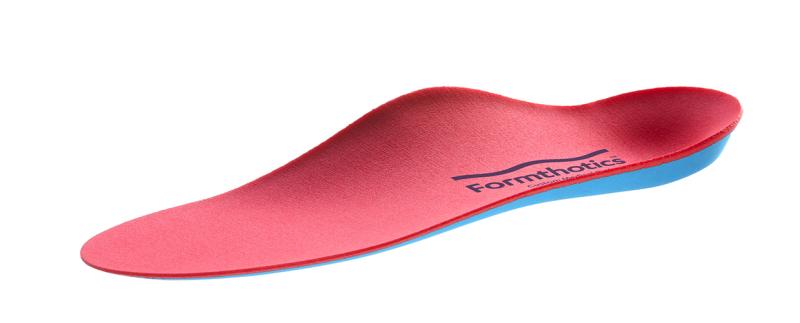
Formthotics are heat-moldable orthotic insoles designed to provide support, cushioning, and correction for various foot conditions. Unlike traditional custom orthotics that require plaster casts or digital scans, Formthotics are semi-custom devices that can be molded directly to a patient's feet in a clinical setting within minutes. This innovative approach bridges the gap between off-the-shelf insoles and expensive custom-made orthotics, offering a middle ground that provides significant therapeutic benefits while remaining relatively affordable and accessible.
The underlying principle behind Formthotics is biomechanical correction and support. Many foot problems stem from poor foot mechanics, including excessive pronation (rolling inward), supination (rolling outward), or inadequate arch support. These biomechanical faults create abnormal stress patterns throughout the foot and lower limb, leading to pain, inflammation, and progressive deformity. Formthotics work by redistributing pressure across the foot, supporting the arches, and guiding the foot through a more optimal gait cycle. This mechanical correction can alleviate symptoms and address the root causes of many common foot conditions.
One of the primary applications of Formthotics is in treating plantar fasciitis, one of the most common causes of heel pain. This condition involves inflammation of the plantar fascia, a thick band of tissue running along the bottom of the foot. Formthotics help manage plantar fasciitis by providing arch support that reduces tension on the plantar fascia, cushioning the heel to absorb impact forces, and controlling excessive pronation that can strain the tissue. Many patients experience significant relief from heel pain after being fitted with appropriate Formthotics, particularly when combined with stretching exercises and other therapeutic interventions.
Flat feet, or pes planus, represents another common condition effectively addressed by Formthotics. People with flat feet lack normal arch structure, which can lead to fatigue, pain, and increased risk of other foot problems. Formthotics provide external arch support that the foot structure cannot provide naturally, reducing strain on muscles, tendons, and ligaments. This support helps distribute body weight more evenly across the foot and can prevent the progressive collapse of the arch over time. For individuals with flexible flat feet, the custom-molding process allows Formthotics to capture the foot in a corrected position, providing optimal support tailored to their specific anatomy.
Athletes and active individuals frequently benefit from Formthotics as well. The repetitive stress of running, jumping, and lateral movements can lead to various overuse injuries, including shin splints, Achilles tendinitis, and metatarsalgia. By improving foot biomechanics and providing shock absorption, Formthotics help reduce the cumulative stress on lower limb structures. The thin profile of many Formthotics models makes them suitable for athletic footwear, allowing athletes to benefit from orthotic support without compromising shoe fit or performance.
The fitting process for Formthotics is one of their distinguishing features. Healthcare providers heat the orthotic material using a specialized heating device, then mold it directly to the patient's foot while positioned in a corrected posture. This customization process takes only a few minutes and can be performed in the clinic during a single appointment. The practitioner can make adjustments to optimize fit and function, ensuring the orthotic addresses the specific needs of each patient. This immediate customization and dispensing represents a significant advantage over traditional custom orthotics, which typically require sending impressions to laboratories and waiting weeks for fabrication.
Formthotics come in various designs and materials to suit different footwear types, activity levels, and foot conditions. Options range from full-length insoles for dress shoes to sports-specific designs for athletic footwear. Different densities of material provide varying levels of support and cushioning, allowing practitioners to select the most appropriate option for each patient's needs. This versatility makes Formthotics suitable for diverse populations, from elderly individuals seeking comfort and stability to elite athletes requiring performance optimization.
Despite their many benefits, Formthotics are not universally appropriate for all foot conditions. Severe structural deformities, significant limb length discrepancies, or complex biomechanical issues may require more sophisticated custom orthotics or other interventions. Additionally, patients must understand that orthotics are typically one component of a comprehensive treatment approach. Proper footwear selection, stretching and strengthening exercises, activity modification, and sometimes medication or physical therapy may be necessary adjuncts to orthotic therapy.
The evidence supporting orthotic therapy, including Formthotics, continues to grow. Research has demonstrated the effectiveness of orthotics in reducing pain and improving function for various conditions, though individual responses can vary. Success often depends on accurate diagnosis, appropriate orthotic selection, proper fitting, and patient compliance with wearing recommendations. Healthcare providers must conduct thorough assessments to determine whether Formthotics are suitable for each patient's specific situation.
Formthotics represent a valuable tool in the treatment of foot problems, offering an effective balance between customization, accessibility, and clinical efficacy. Their ability to provide biomechanical correction and support makes them useful for addressing common conditions like plantar fasciitis, flat feet, and sports-related injuries. The convenient fitting process and variety of available options enhance their clinical utility. While not appropriate for every foot problem, Formthotics have earned their place as a mainstream treatment option that helps countless individuals overcome foot pain and dysfunction, improving their mobility and quality of life. As our understanding of foot biomechanics continues to evolve, devices like Formthotics will likely remain important components of comprehensive foot care strategies.
Post Your Ad Here
Comments