Enhancing Industrial Workplace Safety with Lockout Tagout Hasps
In industrial settings, ensuring workplace safety
is paramount. Heavy machinery, high-voltage equipment, and complex systems pose
significant risks if not properly managed. One of the most effective methods
for mitigating these hazards is the implementation of Lockout Tagout
procedures, with LOTO hasps playing a critical role in enhancing safety. This
blog explores how lockout tagout hasps contribute to a safer work environment,
their functionality, and best practices for their use.
Understanding Lockout Tagout:
Lockout Tagout is a safety protocol designed to prevent the unexpected start-up
of machinery or the release of hazardous energy during maintenance or repair
work. The Occupational Safety and Health Administration (OSHA) in the United
States mandates LOTO procedures under standard 29 CFR 1910.147 to protect
workers from injuries caused by uncontrolled energy sources. LOTO involves
isolating energy sources, locking and tagging equipment, and verifying that the
equipment is safe to work on.
The Role of Lockout
Tagout Hasps:
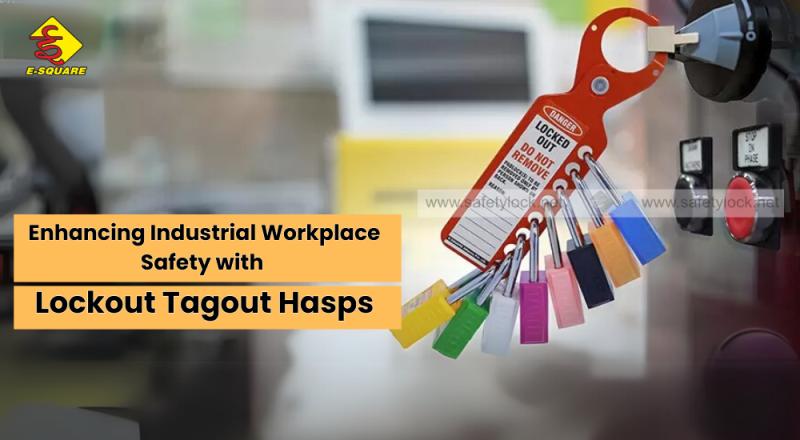
A lockout tagout hasp is a simple yet vital tool in
the LOTO process. It is a metal device, typically made of steel or aluminum,
designed to secure energy-isolating devices, such as valves or circuit
breakers, in the "off" or "safe" position. The hasp allows
multiple workers to attach their personal padlocks, ensuring that the equipment
cannot be re-energized until all workers have completed their tasks and removed
their locks.
LOTO hasps are particularly valuable in group
lockout scenarios, where multiple employees are involved in maintenance. By
accommodating several padlocks, hasps ensure that no single worker can
inadvertently restore power, protecting everyone involved. Available in various
sizes, materials, and designs, hasps are versatile and can be used in diverse
industrial environments, from manufacturing plants to construction sites.
Benefits of Using LOTO
Hasps:
Enhanced Worker Safety: LOTO hasps prevent accidental energization of equipment, reducing
the risk of injuries from electrical shocks, burns, or mechanical accidents.
Compliance with Regulations: Using hasps helps organizations meet OSHA and other regulatory
requirements, avoiding costly fines and legal issues.
Improved Accountability: Each worker’s padlock on the hasp ensures personal accountability,
as equipment cannot be reactivated until all locks are removed.
Versatility: Hasps are
compatible with various energy sources, including electrical, hydraulic, and
pneumatic systems, making them suitable for diverse applications.
Best Practices for
Implementing LOTO Hasps:
To maximize the effectiveness of lockout tagout
hasps, organizations should follow these best practices:
Training and Awareness: Ensure all employees are trained on LOTO procedures, including the
proper use of hasps. Regular refresher courses can reinforce safety protocols.
Standardized Equipment: Use high-quality, durable hasps that can withstand harsh
industrial conditions. Ensure they are clearly labeled and color-coded for easy
identification.
Clear Communication: Attach tags to hasps with critical information, such as the
worker’s name, date, and reason for lockout, to avoid confusion.
Regular Inspections: Periodically inspect hasps and other LOTO devices for
wear and tear to ensure they function correctly.
Conclusion
Lockout tagout hasps are indispensable tools for enhancing industrial workplace safety.
By preventing the unintended release of hazardous energy, they protect workers,
ensure regulatory compliance, and promote a culture of safety.
For high-quality LOTO hasps and comprehensive
safety solutions, E-Square offers a wide range of durable, reliable products
designed to meet industry standards. Trust E-Square to
provide the tools you need to create a safer, more efficient work environment,
reducing risks and enhancing workplace safety


Post Your Ad Here
Comments