What are the Advantages of Choosing Bunched Copper Wire?
The bunched copper wire variety is used extensively for both industries and electrical purposes. The bunched copper wire is known for some important qualities like strength, flexibility and quality; these wires are useful as connectors. Copper wires have always been the preferred choice for power transmission sources in electrical and electronics industries. Since these two types of industries depend largely on copper wiring, it is important to buy wires that are of superior quality, whether solid or stranded. The stranded variety is made up of bunches of many copper wires which have been bunched to suit certain client requirements. These bunched copper wires offer greater power and flexibility.
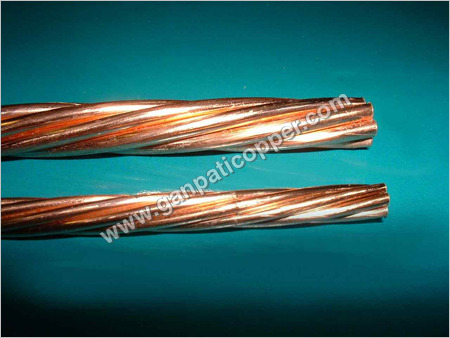
Why is the bunched copper wire useful?
There may be certain equipments which need to be flexible in their operations; to produce these, it may be necessary to select the bunched copper wire variety and not the solid copper wire. The stranded or bunched variety is found to be far more malleable and flexible and can be moved according to needs. The solid variety, on the other hand, is best for situations where hardly any movement is needed. So, solid copper wires find greater use in places whether strength and rigidity are important while the stranded variety is useful in equipments like circuit boards, connection points around moving joints and audio headphones. Solid wires are mainly used for coils and magnet wires.
Where is the bunched copper wire used?
Copper wiring in general is known for being very flexible and these wires can compensate for expansions and vibrations; this explains why they are recommended for being used as connectors. Solid wires will contain one metal core whereas the bunched copper wire will contain numerous thin wires that have been made into a bunch. It is important to understand that both these types of copper wires can be used for commercial and residential installations. Each type has its own benefits and drawbacks and you must choose one over the other after carefully evaluating your requirements.
The solid wire is primarily used for rugged and outdoor applications that may be exposed to adverse weather conditions, corrosion or even frequent movements. The bunched copper wire is ideally suited for more intricate uses like electronic devices or circuit board production where wires may have to be twisted and bent for connecting the different electrical components. Applications which need a lot of movement such as robotics and vehicular applications can benefit from wires that can be twisted into complex forms. Here, the solid wire is of no use for it lacks this strength and malleability. When high tolerance or vibration-absorbing wires are needed, flexible copper wires are chosen. The bare stranded wire is prepared from copper and then used in power generation, power transmission, telecommunication industries etc. They are manufactured using electrolytic grade copper which is the purest form of the metal. When buying this variety of copper wiring, it is always better to check for reviews about the manufacturers to be sure they comply with global quality standards. They should also be willing to deliver wires of varying thicknesses and configurations depending on your requirements.
Advertise on APSense
This advertising space is available.
Post Your Ad Here
Post Your Ad Here
Comments