How to Choose Between Conventional and Clean Beauty Products?
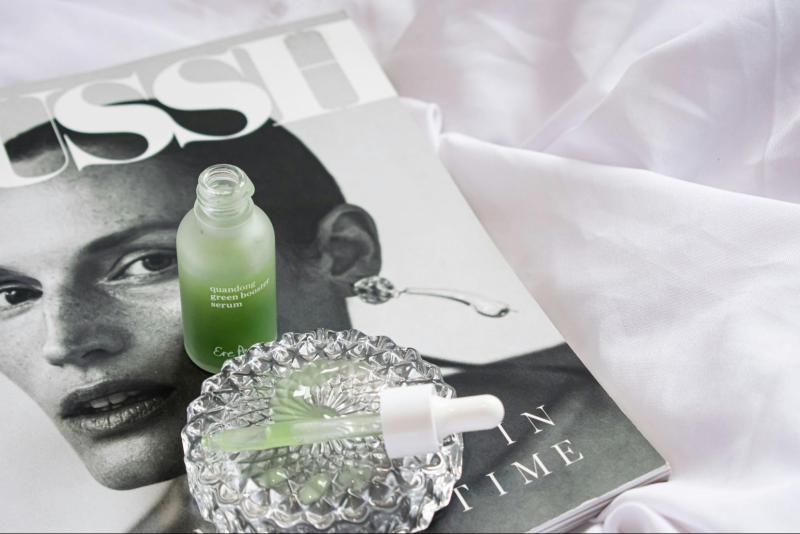
The choice between conventional cosmetics and clean beauty products depends on understanding ingredients, their effects on health and environment, and alignment with each consumer's personal values. In 2025, the movement toward clean beauty is gaining significant momentum, as new studies reveal connections between synthetic substances and health problems.
What Really Distinguishes Conventional Cosmetics from Clean Beauty?
Conventional beauty products may contain thousands of synthetic chemicals developed to achieve immediate results - silky feel, lasting color, or strong fragrance. Substances like phthalates provide flexibility to formulas, parabens extend shelf life, and silicones create a smooth feeling on skin. But these substances are not necessarily safe for long-term use.
Clean beauty focuses on complete cleanliness of the ingredient list. No suspicious chemicals, no petroleum refining byproducts, and no substances found dangerous in toxicological studies. The definition of "clean" varies between brands, but generally includes avoiding between fifteen hundred to three thousand substances considered problematic. Sustainable skincare also emphasizes the ecological aspect.
Which Ingredients Should Be Avoided in Cosmetics?
Parabens are preservatives that mimic estrogen in the body and may interfere with the hormonal system. They are found in countless products despite studies finding them in breast tumor tissues. Phthalates, used for fragrance fixation, are linked to reproductive and developmental problems, especially in fetuses and young children.
Formaldehyde and formaldehyde-releasing preservatives serve as preservatives but are declared carcinogens. Sulfates like SLS create abundant foam but strip skin's natural oils and may cause drying and irritation. Substances restricted in Europe but allowed in the United States pose a problem, because American regulation is considered more lenient.
What's the Health Impact of Prolonged Use of Conventional Products?
Skin is not an impermeable barrier but a semi-permeable membrane. Substances small in molecular weight are absorbed directly into the bloodstream. Over years of daily use, toxin accumulation may lead to toxic overload in body systems. The liver and kidneys work harder to filter and eliminate foreign substances.
Studies link chronic exposure to cosmetic chemicals with increases in allergy rates, asthma, attention and concentration disorders, and fertility problems. Pregnant women are especially at risk, because substances cross the placenta and may affect fetal development. Choosing clean products during pregnancy and breastfeeding is a common recommendation from health experts.
Are Clean Beauty Products as Effective as Conventional Ones?
The myth that natural products are less effective stems from outdated perceptions. Plant ingredient science has developed dramatically, and targeted plant extracts offer impressive performance. Biotechnological hyaluronic acid, plant-derived peptides, and antioxidants from organic foods provide results competing with any synthetic cosmetic formulas.
The beauty of the clean approach is that it works with the body, not against it. Instead of filling pores with silicones to create an illusion of smoothness, plant oils strengthen the skin barrier so it produces less oil naturally. Instead of using aggressive acids, gentle enzymes encourage cell renewal at a natural pace.
What Makes an Authentic Clean Beauty Brand?
Complete transparency is the first sign. The brand publishes the entire ingredient list on the website, including explanations why each substance was chosen. Ingredient sources are detailed - where the plants come from, how they were grown, how they were processed. A true clean brand doesn't use terms like "proprietary formula" to hide information.
Third-party certifications like EWG Verified, Made Safe, or B Corporation indicate genuine commitment. These brands undergo rigorous independent auditing examining not only products but also production methods, packaging, and employee policies. They commit to continuous improvement and report transparently on progress toward sustainability goals.
Is Price an Indicator of Quality?
Clean beauty products are often more expensive due to quality ingredient costs and required certifications. But high price doesn't always guarantee quality, and budget-friendly clean products exist for those who know where to look. It is important to compare by active ingredient concentration, not just price tag or designed packaging.
Smart shopping includes reading real user reviews, searching for samples or mini sizes for trial, and comparing INCI at the individual ingredient level. Sometimes a twenty-shekel product from a small brand can be cleaner and more effective than a two-hundred-shekel product from a famous brand investing capital in packaging and marketing.
How to Start the Transition to Clean Beauty Gradually?
No need to throw out all existing products immediately. Gradual transition is practical and less financially burdensome. The recommended start is with products that stay on skin - moisturizer, serum, and lipstick. Products that wash off like shampoo or soap are less critical because they're in brief contact with the body.
When a product runs out, replace it with a clean version. This process takes several months but feels natural and doesn't require major sacrifice. Important to document how skin reacts - some people experience initial "detoxification" when the body eliminates chemical residues, then noticeable improvement in texture and skin clarity.
What's the Role of Government Regulation in Protecting Consumers?
In the United States, the last cosmetics law passed in 1938 and hasn't been significantly updated since. The FDA doesn't require safety testing before product marketing, and manufacturers are responsible for safety in case of problems. In the European Union, regulation is much stricter - over fourteen hundred substances are banned from cosmetics use.
This gap creates a confusing situation for consumers. An American brand may sell one formula in Europe and a different formula in the United States with cheaper and more questionable substances. The solution is to rely on brands committed to the highest international standard, regardless of local requirements.
How to Discover the Ideal Beauty Products for Transition?
Apps like Think Dirty or EWG's Skin Deep allow scanning of product barcodes and display research-based safety ratings. Ingredient lists are presented simply with explanations why a particular substance is problematic. These tools return power to consumers and enable informed real-time decisions.
Online communities and bloggers expert in clean beauty share honest reviews, guides, and recommendation lists. It is important to follow reliable sources not financially partnered with brands, so reviews are authentic. Participation in local clean beauty groups provides support and information relevant to the specific Israeli market.
The Power of Informed Choice
The decision between conventional cosmetics and clean beauty is personal and reflects values, budget, and knowledge. But in 2025, with accessibility to information and quality products, every person can take responsibility for what they apply to their skin. The transition to clean beauty is not mandatory but is a choice that improves personal health, supports ethical companies, and preserves the environment for future generations. Every product chosen consciously is a vote for a world where beauty doesn't come at health's expense, but is a natural expression of it. The power to change the beauty industry lies in every consumer's hands, and each time a clean product is chosen, that choice resonates far beyond the personal bathroom shelf.
Post Your Ad Here
Comments