What Are the Most Effective Ingredients in Modern Skincare Products?
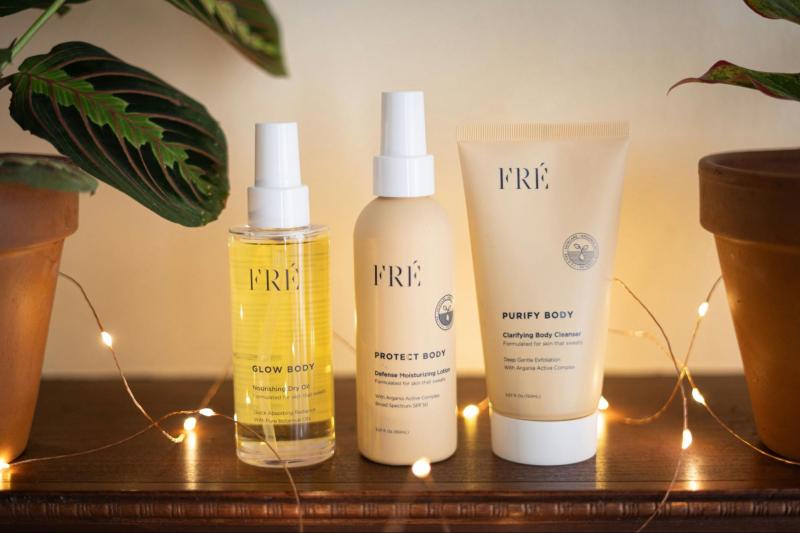
Understanding skincare ingredients has become essential for anyone seeking healthy, radiant skin. The beauty industry continues to evolve, introducing innovative compounds backed by scientific research. Modern consumers now demand transparency about what goes into their skincare products and how these ingredients benefit their skin.
How Do Active Ingredients Transform Your Skin?
Active ingredients are the powerhouse components that deliver visible results. Hyaluronic acid stands out as a hydration champion. This naturally occurring molecule can hold up to 1,000 times its weight in water, making it invaluable for plumping skin and reducing fine lines. Vitamin C serves as a powerful antioxidant that brightens complexion and protects against environmental damage. It boosts collagen production and reduces hyperpigmentation. Retinol, a derivative of vitamin A, accelerates cell turnover and diminishes signs of aging. These ingredients work at cellular levels to repair and rejuvenate skin tissue.
Niacinamide, also known as vitamin B3, has gained recognition for its versatile benefits. It strengthens the skin barrier, reduces inflammation, and regulates oil production. Peptides are amino acid chains that signal skin cells to produce more collagen and elastin. They help maintain firmness and elasticity as skin ages naturally.
Which Natural Ingredients Provide Proven Benefits?
Natural ingredients have moved beyond marketing trends to become scientifically validated skincare solutions. Green tea extract contains polyphenols that protect against UV damage and reduce inflammation. Cucumber provides immediate cooling and soothing effects while delivering antioxidants to stressed skin. Research shows natural ingredients can complement synthetic compounds effectively when formulated properly.
Aloe vera offers healing properties that calm irritation and promote moisture retention. Argan oil delivers essential fatty acids and vitamin E to nourish dry skin without clogging pores. Pomegranate extract fights free radicals with its high concentration of antioxidants. These plant-based ingredients work synergistically with modern formulations to enhance overall efficacy.
Chamomile reduces redness and sensitivity, making it ideal for reactive skin types. Tea tree oil possesses antimicrobial properties that help manage acne-prone skin. Rosehip oil contains vitamins A and C alongside essential fatty acids that promote cell regeneration. Natural extracts provide gentle yet effective alternatives for those seeking clean beauty options.
What Ingredients Should You Avoid in Skincare?
Not all ingredients serve your skin's best interests. Parabens, used as preservatives, have raised concerns about hormone disruption and potential health risks. Many brands now formulate paraben-free products to address consumer safety concerns. Sulfates like sodium lauryl sulfate strip natural oils from skin, leading to dryness and irritation. These harsh cleansing agents can compromise the skin barrier over time.
Artificial fragrances often contain multiple undisclosed chemicals that trigger allergic reactions and sensitivities. Formaldehyde-releasing preservatives can cause contact dermatitis and respiratory issues. Phthalates, used to enhance product absorption, have been linked to endocrine disruption. Choosing products free from these questionable ingredients protects long-term skin health.
Mineral oils can clog pores and prevent skin from breathing naturally. Alcohol-based products may provide temporary mattifying effects but ultimately dehydrate skin and cause increased oil production. Understanding ingredient safety helps consumers make informed choices about their skincare routines.
How Do Professional-Grade Products Differ from Over-the-Counter Options?
Professional skincare products contain higher concentrations of active ingredients compared to retail versions. These formulations penetrate deeper into skin layers to deliver more dramatic results. Estheticians and dermatologists can access medical-grade products not available in standard retail channels. The manufacturing standards for professional products often exceed those required for consumer goods.
Professional lines undergo rigorous testing and clinical trials to validate their efficacy claims. They typically use pharmaceutical-grade ingredients with higher purity levels. The delivery systems in professional products ensure optimal absorption and bioavailability. These advanced formulations justify their premium price points through superior performance.
Retail products prioritize broad appeal and gentle formulations suitable for self-application. Professional products may require expert guidance for proper use and expected results. The pH levels in professional skincare are precisely calibrated to work with skin's natural chemistry. Understanding these differences helps consumers determine which products best serve their needs.
What Role Does pH Balance Play in Skincare Efficacy?
Skin maintains a slightly acidic pH between 4.5 and 5.5 to protect against bacteria and environmental stressors. Products with pH levels outside this range can disrupt the skin barrier and cause irritation. Acidic cleansers help maintain the protective acid mantle while effectively removing impurities. Alkaline products can strip beneficial oils and compromise skin defenses.
Vitamin C serums require acidic pH levels between 2.5 and 3.5 to remain stable and effective. Retinol works optimally at pH levels around 5.5 to 6.0 for maximum conversion to retinoic acid. Understanding pH compatibility helps create effective skincare routines where products enhance rather than counteract each other.
Testing product pH ensures they work harmoniously with skin biology. Some ingredients become unstable or inactive at incorrect pH levels, rendering expensive products ineffective. Brands committed to efficacy carefully formulate products within appropriate pH ranges for their active ingredients.
How Can You Build an Effective Skincare Routine?
A successful skincare routine follows a logical sequence from thinnest to thickest consistency. Begin with cleansing to remove impurities and prepare skin for treatment products. Apply water-based serums immediately after cleansing while skin remains slightly damp. This timing maximizes absorption of active ingredients into freshly cleansed pores.
Layer treatments from thinnest to thickest texture to ensure each product penetrates effectively. Allow 30 to 60 seconds between product applications for proper absorption. Seal in treatments with moisturizer appropriate for your skin type and climate conditions. Morning routines should always conclude with broad-spectrum sunscreen of SPF 30 or higher.
Scientific research on skincare emphasizes consistency over complexity in achieving desired results. Introducing new products gradually, one at a time, helps identify which ingredients work best for individual skin. Evening routines can incorporate more potent treatments as skin repairs itself during sleep. Patience remains crucial, as most skincare ingredients require 4 to 12 weeks to show visible improvements.
What Emerging Ingredients Show Promise for Future Skincare?
Biotechnology continues advancing skincare through lab-grown ingredients that mimic natural compounds. Growth factors derived from plant stem cells stimulate collagen production without animal-derived components. Probiotics and prebiotics strengthen skin microbiome to enhance natural defense mechanisms. These innovations represent the future of personalized skincare solutions.
Bakuchiol offers retinol-like benefits without the irritation and photosensitivity associated with traditional retinoids. Resveratrol provides powerful antioxidant protection derived from grape skin and Japanese knotweed. Ceramides help repair and maintain the lipid barrier that keeps skin hydrated and protected. Understanding emerging ingredients helps consumers stay informed about cutting-edge skincare developments.
Adaptogens from traditional medicine are being studied for their stress-reducing effects on skin. Microencapsulation technology delivers active ingredients more precisely to target areas. The skincare industry continues evolving as science uncovers new mechanisms for maintaining healthy, youthful skin.
Making Informed Skincare Choices
The most effective skincare ingredients combine scientific validation with proven results. Active compounds like hyaluronic acid, vitamin C, and retinol deliver transformative benefits when properly formulated. Natural ingredients complement synthetic compounds to create well-rounded skincare solutions. Avoiding harmful ingredients protects skin health while supporting long-term beauty goals. Understanding pH balance, product layering, and ingredient interactions maximizes the effectiveness of your skincare routine. Professional-grade products offer higher concentrations for those seeking intensive treatments. Emerging ingredients continue expanding options for personalized skincare approaches. Making informed choices based on ingredient knowledge empowers consumers to achieve their best skin through evidence-based products and practices.
Post Your Ad Here
Comments