How Do Seasonal Changes Affect Your Skincare Routine?
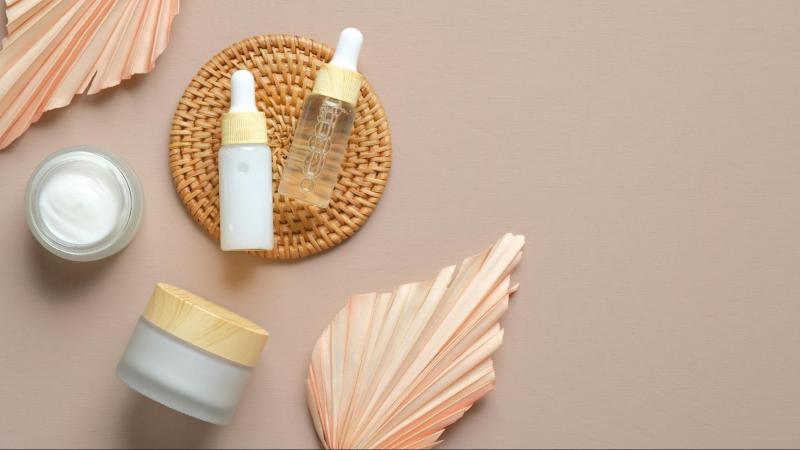
Skin responds dynamically to environmental conditions throughout the year. Temperature fluctuations, humidity levels, and UV exposure vary dramatically between seasons. These changes require strategic adjustments to skincare routines for optimal skin health. Understanding seasonal impacts empowers individuals to maintain balanced, healthy skin regardless of weather conditions.
Many people maintain identical skincare routines year-round, wondering why products suddenly become ineffective or irritating. Seasonal transitions often trigger unexpected skin reactions including dryness, oiliness, or sensitivity. Climate directly influences skin barrier function, moisture retention, and cellular activity. Adapting product choices and application frequencies to match seasonal demands prevents common skin concerns.
What Happens to Skin During Winter Months?
Cold outdoor air contains significantly less moisture than warm air. Indoor heating systems further reduce humidity levels, creating desert-like conditions inside homes and offices. This dual assault depletes skin's natural moisture reserves rapidly. Water molecules evaporate from the skin surface faster in dry environments, leading to dehydration and barrier compromise.
Sebaceous glands reduce oil production in response to cold temperatures. This protective lipid layer normally prevents transepidermal water loss. Decreased sebum leaves skin vulnerable to moisture evaporation and environmental irritants. Even naturally oily skin types experience increased dryness during winter months.
Blood vessel constriction in cold weather reduces nutrient and oxygen delivery to skin cells. This decreased circulation slows cellular renewal and repair processes. Skin may appear dull, pale, or lackluster during winter. Poor circulation also impairs the skin's ability to maintain optimal temperature and hydration.
Winter wind creates additional friction against exposed skin areas. This mechanical stress damages the stratum corneum, the outermost protective layer. Compromised barriers allow irritants to penetrate more easily, triggering inflammation and sensitivity. Face, hands, and lips suffer most from wind exposure.
Hot showers provide comfort during cold weather but strip essential oils from skin. Water temperatures above 38 degrees Celsius dissolve lipid barriers faster than lukewarm water. Prolonged exposure to hot water exacerbates winter dryness significantly. This common habit unknowingly intensifies seasonal skin challenges.
How Should Summer Weather Influence Skincare Choices?
High temperatures stimulate sebaceous glands to produce excess oil. This overproduction leads to shine, clogged pores, and increased acne breakouts. Humid conditions prevent sweat evaporation, creating breeding grounds for bacteria. Summer skin requires lighter, oil-controlling formulations compared to winter products.
UV radiation intensity peaks during summer months, accelerating photoaging and pigmentation. UVA rays penetrate deeply, damaging collagen and elastin structures. UVB rays cause surface burning and direct DNA damage. Daily broad-spectrum sunscreen becomes absolutely essential, requiring reapplication every two hours during outdoor activities.
Chlorine in swimming pools strips natural oils and disrupts pH balance. Salt water from ocean swimming dries skin through osmotic effects. Both exposures leave skin feeling tight and dehydrated despite humid summer air. Post-swimming cleansing and moisturizing routines protect against these drying effects.
Air conditioning creates indoor environments as dry as winter heating systems. Moving between hot outdoor conditions and cold air-conditioned spaces stresses skin repeatedly. These temperature extremes cause blood vessels to dilate and constrict rapidly. Sensitive skin often develops redness or irritation from constant climate transitions.
Increased outdoor activity exposes skin to environmental pollutants, dust, and allergens. Sweating opens pores, allowing these particles to penetrate more deeply. Thorough cleansing becomes crucial for preventing congestion and inflammation. Double cleansing effectively removes sweat, sunscreen, and accumulated impurities.
Why Do Spring and Fall Require Transitional Skincare Approaches?
Spring marks the transition from dry winter conditions to increased humidity and warmth. Skin gradually adjusts its oil production and moisture retention capabilities. Products perfect for winter may suddenly feel too heavy or cause breakouts. Slowly introducing lighter formulations prevents overwhelming skin during this adjustment period.
Pollen and environmental allergens peak during spring months. These airborne particles trigger inflammatory responses in sensitive individuals. Skin may develop unexplained redness, itching, or texture changes. Global cosmetics research indicates seasonal allergies significantly impact skin health beyond respiratory symptoms.
Fall reverses the summer-to-winter transition as temperatures cool and humidity decreases. Skin that thrived with light summer products suddenly requires more intensive hydration. UV exposure remains significant during fall despite cooler temperatures. Maintaining sun protection while increasing moisturization addresses autumn skin needs.
Seasonal changes disrupt skin barrier homeostasis temporarily. During transitions, skin experiences increased sensitivity and reactivity. Gentle products with minimal active ingredients help stabilize skin during these vulnerable periods. Avoiding major routine changes during seasonal shifts prevents additional stress.
Temperature fluctuations within single days challenge skin's adaptive mechanisms. Spring and fall weather varies dramatically between morning and evening. Layering skincare products allows adjustment throughout the day. Lightweight daytime protection gives way to richer nighttime repair formulations.
What Products Work Best for Winter Skincare?
Rich moisturizers containing occlusive ingredients seal in hydration during dry winter months. Shea butter, petrolatum, and dimethicone create protective barriers preventing moisture loss. These heavier formulations may feel greasy in summer but provide essential protection in winter. Applying moisturizer to damp skin maximizes hydration retention.
Hydrating serums with hyaluronic acid and glycerin attract moisture from the environment and deeper skin layers. Layering these humectants under occlusive moisturizers creates powerful hydration systems. Multiple thin layers often hydrate more effectively than single thick applications. This technique benefits particularly dry or mature skin.
Gentle, creamy cleansers replace foaming formulas that strip essential oils. Oil-based or milk cleansers remove impurities without compromising barrier integrity. Avoiding harsh sulfates preserves natural lipids critical for winter skin protection. Lukewarm water temperature during cleansing prevents additional moisture loss.
Facial oils supplement natural sebum production reduced by cold weather. Jojoba, rosehip, and argan oils closely mimic skin's natural lipids. These oils penetrate effectively, providing nourishment without heavy residue. Applying 2 to 3 drops before moisturizer enhances overall hydration.
Humidifiers combat indoor heating's drying effects by adding moisture to air. Maintaining indoor humidity between 40% and 60% supports skin hydration. Running humidifiers overnight in bedrooms benefits skin significantly. This environmental adjustment complements topical skincare efforts.
Which Summer Products Keep Skin Balanced and Protected?
Lightweight, oil-free moisturizers provide hydration without adding excess oils. Gel formulations containing hyaluronic acid hydrate without heaviness. Water-based products absorb quickly, making them ideal for humid conditions. Mattifying ingredients like niacinamide control shine throughout the day.
High-SPF sunscreens form the cornerstone of summer skincare routines. Mineral sunscreens with zinc oxide or titanium dioxide sit on the skin's surface reflecting UV rays. Chemical sunscreens absorb into skin, converting UV radiation to heat. Berkeley research on skincare emphasizes sun protection's critical role in preventing premature aging.
Antioxidant serums boost sun damage defense beyond sunscreen alone. Vitamin C, vitamin E, and ferulic acid neutralize free radicals generated by UV exposure. Applying antioxidants under sunscreen provides synergistic protection. This combination significantly reduces photoaging compared to sunscreen alone.
Exfoliating acids remove dead cells and prevent pore congestion from increased sweating. Salicylic acid penetrates oil-filled pores, preventing summer breakouts. Glycolic acid smooths texture and fades sun damage. Using acids 2 to 3 times weekly maintains clear, glowing summer skin.
Refreshing mists provide instant hydration and cooling throughout hot days. Thermal water sprays soothe irritated skin and set makeup. Keeping mists refrigerated enhances their cooling effect. Spraying over sunscreen throughout the day adds comfort without disrupting protection.
How Can You Recognize When Your Skin Needs Routine Adjustments?
Persistent tightness or flaking signals inadequate moisturization for current conditions. Products that previously hydrated sufficiently may no longer meet increased seasonal demands. Adding hydrating layers or switching to richer formulations addresses these symptoms. Ignoring dryness allows minor issues to escalate into severe barrier damage.
Increased oiliness and breakouts indicate formulations too heavy for current climate. Summer heat and humidity require lighter products than winter routines. Switching to oil-free or gel-based alternatives reduces congestion. Continuing with heavy products causes persistent acne and clogged pores.
Unexplained redness or sensitivity suggests products irritating compromised barriers. Seasonal changes temporarily weaken skin's defenses against reactive ingredients. Simplifying routines to gentle, fragrance-free basics allows skin to stabilize. Gradually reintroducing active ingredients prevents overwhelming sensitized skin.
Dullness despite regular exfoliation points to dehydration or poor circulation. Winter conditions particularly contribute to lackluster complexion. Incorporating hydrating masks and facial massage stimulates circulation and radiance. Adjusting exfoliation frequency matches seasonal cell turnover rates.
Makeup application difficulties often reflect underlying skincare-season mismatches. Foundation pilling or flaking reveals inadequate moisturization. Excessive shine indicates too-heavy products for current weather. Proper seasonal skincare creates optimal canvases for makeup application.
Mastering Seasonal Skincare Transitions
Seasonal environmental changes dramatically impact skin's hydration, oil production, and barrier function. Winter's cold, dry air depletes moisture while reducing natural oil production, requiring rich, protective formulations. Summer heat increases sebum output and UV exposure, necessitating lighter, oil-controlling products with diligent sun protection. Spring and fall transitional periods demand gradual routine adjustments as skin adapts to changing conditions. Recognizing signs of seasonal mismatch prevents minor concerns from becoming serious skin problems. Winter skincare emphasizes intensive hydration through occlusive moisturizers, facial oils, and humidifiers. Summer routines prioritize oil control, broad-spectrum sun protection, and antioxidant defense. Adapting cleansing methods, product textures, and active ingredient concentrations to match seasonal demands maintains optimal skin health year-round. Successful seasonal skincare requires observation, flexibility, and willingness to modify routines as environmental conditions shift.
Post Your Ad Here
Comments