What Are the Real Benefits of Organic Skin Care Products?
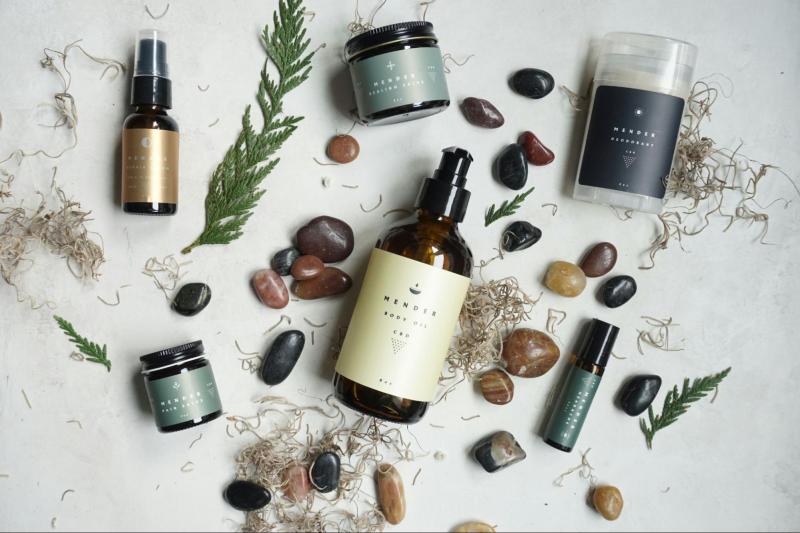
Organic skin care products offer significant benefits for skin health and the environment, including reduced exposure to harmful chemicals, improved skin texture, and protection of the ecological system. The shift to natural cosmetics has become a major trend in 2025, as consumers seek safer alternatives to conventional products.
Why Does Skin Love Organic Ingredients?
The skin is the body's largest organ, and what is applied to it is absorbed directly into the bloodstream. Organic products contain vitamins, antioxidants, and natural minerals that the skin can recognize and process efficiently. Unlike synthetic cosmetics, natural ingredients work in harmony with the body's biological processes rather than fighting against them.
Studies show that plant-based ingredients like argan oil, shea butter, and green tea extract provide deep hydration without clogging pores. The molecular structure of natural oils resembles the skin's natural lipids, allowing efficient penetration and rapid restoration of the damaged skin barrier.
Is There a Difference Between Organic and Natural?
Yes, there is a significant difference. A natural product may contain ingredients from plant or mineral sources, but they were not necessarily grown without pesticides. An organic label indicates that ingredients were grown using certified organic farming methods, without synthetic pesticides, chemical fertilizers, or genetic engineering.
International certifications like the COSMOS standard establish clear criteria: at least ninety-five percent of plant ingredients must be organic, and twenty percent of the entire formula must be organic. These standards ensure the consumer receives an authentic product and not just marketing branding.
How Does Organic Cosmetics Improve Skin Condition Long-Term?
Regular use of organic skin care products leads to continuous improvement in skin condition. Natural antioxidants like vitamin E and vitamin C fight free radicals that cause premature aging. Omega-3 and omega-6 fatty acids from plant oils strengthen the skin barrier and prevent moisture loss.
Unlike the immediate but superficial results of chemical products, the organic approach works more slowly but builds a strong foundation for healthy skin. The skin's natural renewal process receives support rather than interference, and the result is a more even texture, radiant complexion, and improved recovery ability from environmental damage.
What's the Connection Between Organic Products and Overall Health?
The skin absorbs an average of sixty percent of what is applied to it. When using products with parabens, phthalates, and sulfates, these substances can accumulate in the body and disrupt the hormonal system. Organic products completely eliminate this risk because they are toxin-free from the start.
Another benefit is the reduction of allergic reactions. Sensitive skin often reacts to synthetic fragrances, food dyes, and chemical preservatives. The natural scent of essential oils and plant extracts is much gentler and often therapeutically beneficial from an aromatherapy perspective.
Why Is Organic Choice Also Good for the Environment?
Conventional cosmetics production has polluted water sources and harmed biodiversity. Substances like microplastics in exfoliants and microbeads in creams pass through filtration systems and pollute oceans. Organic products decompose naturally and leave no toxic traces.
Organic farming preserves soil fertility, conserves water, and supports wildlife. When purchasing a certified organic product, the support extends beyond personal skin to a sustainable agricultural system that benefits the entire planet.
Which Organic Ingredients Should You Look For?
Organic shea butter provides deep moisture and contains vitamin A that promotes cell renewal. Virgin coconut oil offers antibacterial properties and is particularly suitable for dry skin. Organic aloe vera soothes inflammation and accelerates healing of minor wounds.
Rosehip oil is rich in vitamin C and helps reduce scars and pigmentation spots. Green tea extract acts as a powerful antioxidant and protects against UV radiation damage. Jojoba oil balances the skin's natural sebum production and suits all skin types.
Are Organic Products More Expensive and Worth the Investment?
The higher price stems from the cost of quality ingredients and certified processes. Organic cultivation requires more manual labor, without chemical shortcuts. But when calculating effectiveness, organic products are often more concentrated, so less quantity is needed per use.
In the long run, investing in healthy skin saves costs of medical treatments for skin problems caused by chemical exposure. The skin develops stronger natural resistance, and the need for corrective products decreases over time.
How to Identify Authentic Organic Products?
Look for official certifications on the packaging such as USDA Organic, Ecocert, or Soil Association. These labels indicate the product has undergone rigorous testing. The ingredient list should be short and understandable, with Latin names of plants instead of complex chemical codes.
Be critically aware of greenwashing - if a product claims to be organic but contains parabens or sulfates, something is wrong. True organic products use natural preservatives like grapefruit seed extract or vitamin E to extend shelf life.
What's the Role of Packaging in Organic Cosmetics?
Authentic organic brands are also committed to ecological packaging. Glass jars, aluminum tubes, and recycled materials replace single-use plastic. Dark or opaque packaging protects active ingredients from oxidation and radiation, ensuring the product maintains its effectiveness to the last drop.
Some companies offer refill programs or encourage returning empty containers for special recycling. This approach reflects the complete organic philosophy - full responsibility from ingredient source to the end of the product's life cycle.
How to Start Transitioning to an Organic Care Routine?
It's recommended to start with basic products like moisturizer and cleanser. As the skin adjusts to natural ingredients, add serum, masks, and targeted treatments. The transition period may include mild detoxification, as the skin releases chemical residues accumulated over years.
It's important to read reviews and choose brands that suit the specific skin type. Oily skin will need light, non-greasy formulas, while dry skin will benefit from creams rich in moisturizing oils. Patience is key - real results from organic care appear after three to six months of consistent use.
Commitment to Skin and World
The transition to organic skin care products is a decision that affects both personal and environmental health. The skin receives pure nutrition from ingredients that nature has developed over millions of years, and the planet remains free from chemical pollution. In 2025, with increased awareness of health and sustainability, organic choice is not just a trend but a new standard for responsible cosmetics. Every application of organic cream is a small step toward a healthier future, where beauty and responsibility go hand in hand.
Post Your Ad Here
Comments