How Can You Build a Minimalist Skincare Routine That Actually Works?
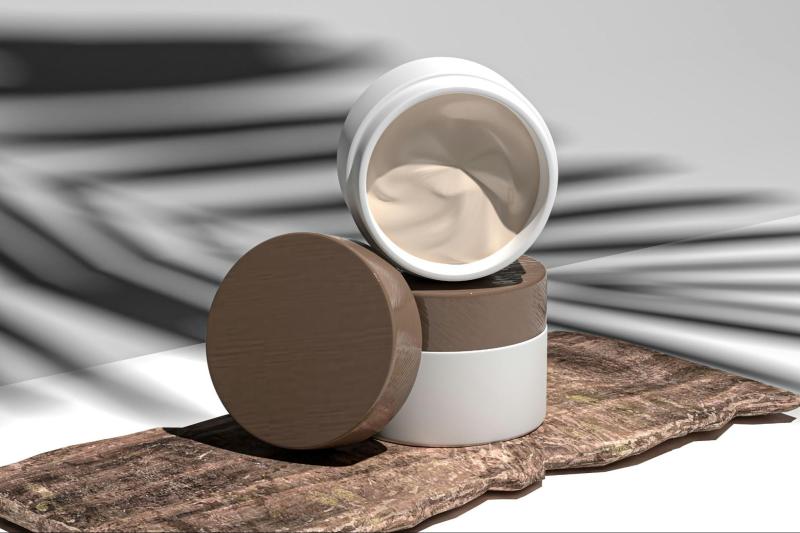
The skincare industry promotes complex multi-step routines with dozens of products targeting every conceivable concern. This maximalist approach overwhelms consumers with choices, strains budgets, and often produces diminishing returns. Minimalist skincare prioritizes essential, high-quality products delivering maximum benefits with minimal steps. This streamlined approach proves more sustainable, affordable, and often more effective than elaborate routines.
Scientific evidence increasingly supports simplified skincare focusing on proven ingredients and consistent application. Dermatologists emphasize that most people need only 3 to 5 core products for healthy skin. Understanding which products truly matter allows informed decisions about where to invest time and resources. Minimalist skincare removes decision fatigue while maintaining or improving skin health outcomes.
What Makes a Skincare Product Essential Versus Optional?
Essential products address fundamental skin needs shared by all skin types: cleansing, protection, and hydration. These non-negotiable steps form the foundation supporting skin health regardless of specific concerns. Cleanser removes daily accumulation of sebum, dead cells, and environmental debris. Moisturizer maintains barrier function and prevents transepidermal water loss. Sunscreen protects against UV damage causing premature aging and skin cancer.
Optional products target specific concerns beyond basic maintenance including acne, hyperpigmentation, or advanced aging. These treatments become essential only when particular issues require intervention. Serums, exfoliants, and specialty treatments fall into this category. Most people benefit from one targeted treatment maximum rather than multiple specialty products.
Multi-functional products combining several benefits reduce routine complexity without sacrificing results. Moisturizers with SPF eliminate separate sunscreen steps for minimal sun exposure days. Cleansers with gentle acids provide mild exfoliation during regular cleansing. BB creams merge moisturizer, sunscreen, and light coverage. These hybrids streamline routines effectively when properly formulated.
Product necessity varies by individual factors including age, skin type, and lifestyle. Young, healthy skin may require only cleanser and sunscreen. Mature or problematic skin benefits from additional targeted treatments. Assessing personal needs rather than following universal recommendations creates optimal minimalist routines. Honest evaluation prevents accumulating unnecessary products.
Quality matters more than quantity in minimalist skincare. One excellent serum outperforms three mediocre alternatives. Investing in fewer, superior products produces better results than extensive collections of budget options. Research and careful selection maximize limited product choices. This approach actually reduces long-term skincare spending despite higher per-product costs.
How Do You Choose the Right Cleanser?
Cleanser selection depends primarily on skin type and makeup removal needs. Oily skin benefits from gentle foaming cleansers removing excess sebum without stripping. Dry skin requires creamy, non-foaming formulas preserving natural oils. Combination skin typically tolerates gel cleansers balancing efficacy with gentleness. Sensitive skin needs fragrance-free, minimal-ingredient formulas.
Oil-based cleansers excel at removing makeup, sunscreen, and sebum through lipophilic attraction. These cleansers emulsify with water, rinsing clean without residue. Double cleansing with oil followed by water-based cleanser ensures thorough removal of all substances. This method suits heavy makeup wearers while remaining gentle on skin.
pH-balanced cleansers near skin's natural 5.5 maintain a protective acid mantle. Alkaline cleansers disrupt this barrier, causing dryness and sensitivity over time. Checking product pH or selecting specifically pH-balanced formulations protects skin health. This consideration proves especially important for twice-daily cleansing.
Avoiding harsh sulfates like SLS and SLES prevents excessive lipid stripping. Gentle surfactants including cocamidopropyl betaine and sodium coconut oil sethionate clean effectively without damage. Reading ingredient lists identifies potentially irritating cleansing agents. Sulfate-free options proliferate, making gentle cleansing accessible across price points.
Cleanser texture should feel comfortable during application and rinse completely without residue. Products leaving tight, squeaky skin indicate over-cleansing. Persistent oily films suggest inadequate rinsing or overly rich formulas. Industry research shows proper cleansing sets the foundation for all subsequent skincare steps.
What Should You Look for in a Moisturizer?
Effective moisturizers combine three ingredient categories: humectants, emollients, and occlusives. Humectants like hyaluronic acid and glycerin attract water from the environment and deeper skin layers. Emollients including plant oils and fatty alcohols soften and smooth skin texture. Occlusives such as petrolatum and dimethicone seal in moisture preventing evaporation. Balanced formulations containing all three types provide comprehensive hydration.
Skin type determines ideal moisturizer weight and oil content. Oily skin thrives with lightweight, oil-free gel moisturizers preventing excess shine. Dry skin requires richer creams with higher oil content and occlusive ingredients. Normal skin tolerates medium-weight lotions balancing hydration with comfortable texture. Matching moisturizer weight to skin needs prevents both inadequate hydration and congestion.
Non-comedogenic formulations prevent pore clogging in acne-prone individuals. Ingredients rated 0 to 2 on comedogenicity scales minimize breakout risks. Heavy oils like coconut oil rate high for pore-blocking potential. Lighter alternatives including squalane and jojoba oil provide moisture without congestion. Label claims of non-comedogenic offer guidance though standardization lacks consistency.
Fragrance-free moisturizers reduce sensitization risks for all skin types. Synthetic and natural fragrances rank among top cosmetic allergens. Essential oils provide scent but often irritate sensitive skin. Unscented products eliminate these variables, focusing purely on skin nourishment. This proves especially important for facial products applied twice daily.
Moisturizer absorption speed affects routine timing and makeup application. Fast-absorbing formulas suit morning routines before makeup or sunscreen. Richer, slower-absorbing creams work well overnight when absorption time matters less. Considering lifestyle needs ensures moisturizer choice fits seamlessly into daily life.
Why Is Sunscreen the Most Important Skincare Product?
UV radiation causes approximately 80% of visible facial aging, far exceeding the impact of genetics or natural aging. Daily sunscreen application prevents this photoaging regardless of weather or season. Cumulative sun exposure over decades determines skin aging extent. Consistent protection starting young maintains youthful appearance longest. Retroactive sun protection provides limited benefit compared to prevention.
Broad-spectrum sunscreens protect against both UVA and UVB radiation causing different damage types. UVB rays burn skin superficially while UVA penetrates deeply, destroying collagen. SPF ratings measure only UVB protection; broad-spectrum designation ensures UVA coverage. Both protections prove necessary for comprehensive defense against premature aging.
Mineral sunscreens containing zinc oxide or titanium dioxide sit on the skin surface reflecting UV rays. These formulas work immediately upon application and resist degradation. Modern formulations minimize white cast problems of older mineral sunscreens. Sensitive skin typically tolerates minerals better than chemical alternatives.
Chemical sunscreens absorb into skin, converting UV radiation to heat for dissipation. These formulas often feel lighter and more cosmetically elegant than mineral options. Some chemical filters raise safety concerns, particularly oxybenzone and octinoxate. Newer chemical filters like avobenzone and octocrylene provide safer alternatives. Choosing depends on personal preferences and sensitivities.
Proper sunscreen application requires approximately 2 milligrams per square centimeter, roughly one-quarter teaspoon for face. Most people apply only 25% to 50% of necessary amounts, dramatically reducing protection. Insufficient application of SPF 50 provides actual protection closer to SPF 15. Generous application and 2-hour reapplication during sun exposure maintains advertised protection.
How Do You Select One Effective Treatment Product?
Identifying primary skin concern focuses treatment selection effectively. Acne requires salicylic acid or benzoyl peroxide targeting bacterial growth and inflammation. Hyperpigmentation responds to vitamin C, niacinamide, or tranexamic acid inhibiting melanin production. Aging benefits from retinoids stimulating collagen and accelerating cell turnover. Addressing one concern consistently produces better results than superficial attempts at multiple issues.
Concentration and formulation vehicles determine active ingredient effectiveness. Vitamin C requires concentrations above 10% in acidic pH for optimal results. Retinoids prove effective at lower concentrations when properly formulated. Scientific reviews demonstrate that formulation quality impacts results as much as ingredient choice. Researching optimal concentrations prevents wasting money on ineffective products.
Starting with lower concentrations minimizes irritation while assessing tolerance. Retinoids particularly require gradual introduction, beginning with 0.25% to 0.5% concentrations. Using active treatments every other night initially allows skin adjustment. Slowly increasing frequency and concentration achieves maximum benefits with minimal irritation. Patience during this process prevents abandoning effective treatments prematurely.
Evidence-based ingredients backed by multiple clinical studies offer reliability absent in trendy alternatives. Retinoids, vitamin C, niacinamide, and alpha hydroxy acids have decades of research supporting efficacy. Novel ingredients may work but lack long-term safety and effectiveness data. Prioritizing proven activities reduces risk of ineffective or problematic products.
Single well-chosen treatment often outperforms multiple products with overlapping benefits. Layering similar activities wastes the product without enhancing results. Different retinoid formulations provide redundant benefits. Focusing resources on one excellent product proves more effective than spreading budget across several mediocre options.
What About Exfoliation in Minimalist Routines?
Chemical exfoliants work more effectively and gently than physical scrubs for most people. AHAs including glycolic and lactic acid dissolve bonds between dead cells, revealing fresh skin. BHAs like salicylic acid penetrate oil-filled pores, preventing congestion. These acids provide consistent exfoliation without mechanical irritation. Starting 2 to 3 times weekly prevents over-exfoliation.
Physical exfoliants using fine particles can supplement chemical exfoliation for those preferring tactile feedback. Jojoba beads and rice powder provide gentle mechanical exfoliation without sharp edges. Avoiding harsh scrubs with irregular particles prevents micro-tears in skin. Applying gentle pressure in circular motions maximizes benefits while minimizing damage. This method suits those unable to tolerate chemical exfoliants.
Built-in exfoliation through cleansers or moisturizers eliminates separate exfoliation steps. Low-concentration AHA or BHA in daily-use products provides mild, consistent exfoliation. This approach suits minimalist routines prioritizing simplicity over intensive treatments. Results accumulate gradually rather than producing dramatic immediate changes.
Frequency depends on skin type and tolerance rather than arbitrary schedules. Oily, resilient skin may tolerate daily chemical exfoliation without issues. Dry, sensitive skin benefits from once or twice weekly treatments maximum. Monitoring skin response guides frequency adjustments over time. Signs of over-exfoliation include redness, increased sensitivity, and persistent dryness.
Some minimalist routines eliminate dedicated exfoliation entirely, relying on gentle daily cleansing alone. This ultra-minimal approach works surprisingly well for many people. Skin naturally sheds dead cells through desquamation without intervention. External exfoliation merely accelerates this process. Those with simple skincare needs often thrive without additional exfoliation products.
How Can You Maintain Minimalism Long-Term?
Establishing clear criteria before purchasing prevents impulse acquisitions of unnecessary products. Asking "Does this address an unmet need?" and "Will this replace or work with existing products?" filters marketing temptations. Maintaining product inventories prevents duplicate purchases. Mindful consumption supports minimalist philosophies while reducing waste.
Sample-size products allow testing without committing to full sizes. Many brands offer discovery sets featuring multiple products in travel sizes. These programs enable exploration without accumulating full-size products. Testing prevents purchasing ineffective or irritating products. Strategic sampling reduces waste and spending.
One-in-one-out rules maintain stable product collections as needs evolve. New purchases require removing existing products preventing accumulation. This discipline forces critical evaluation of actual needs versus wants. Donating usable products to friends or shelters prevents waste while maintaining minimalism.
Regular routine audits identify redundant or ineffective products. Evaluating each product's contribution to skin health reveals unnecessary items. Products used intermittently likely offer minimal benefit. Eliminating these items simplifies routines without sacrificing results. Annual audits maintain minimalist principles despite gradual product creep.
Focusing on sustainable, quality brands aligns with minimalist values beyond simple product counts. Multi-use products, refillable packaging, and concentrated formulas reduce environmental impact. Brands prioritizing efficacy over novelty better serve minimalist needs. This holistic approach extends minimalism beyond skincare into broader lifestyle choices.
Achieving Effective Minimalist Skincare
Minimalist skincare prioritizes essential products addressing fundamental needs: cleansing, moisturizing, and sun protection. Quality trumps quantity with fewer superior products outperforming extensive collections of mediocre alternatives. Cleanser selection depends on skin type and makeup removal requirements while maintaining pH balance. Moisturizers should combine humectants, emollients, and occlusives matching skin type for optimal hydration. Sunscreen prevents the majority of visible aging, making it the single most important skincare product. One targeted treatment addressing primary concerns delivers better results than multiple overlapping products. Chemical exfoliation provides gentle, consistent cell turnover without separate scrubs or tools. Maintaining minimalism long-term requires mindful purchasing decisions and regular routine audits. This simplified approach reduces decision fatigue, saves money, and often produces superior results compared to complex routines. Minimalist skincare proves that effectiveness stems from strategic selection and consistent application rather than product quantity.
Post Your Ad Here
Comments