Why Is Natural Cosmetics Becoming the New Standard in 2025?
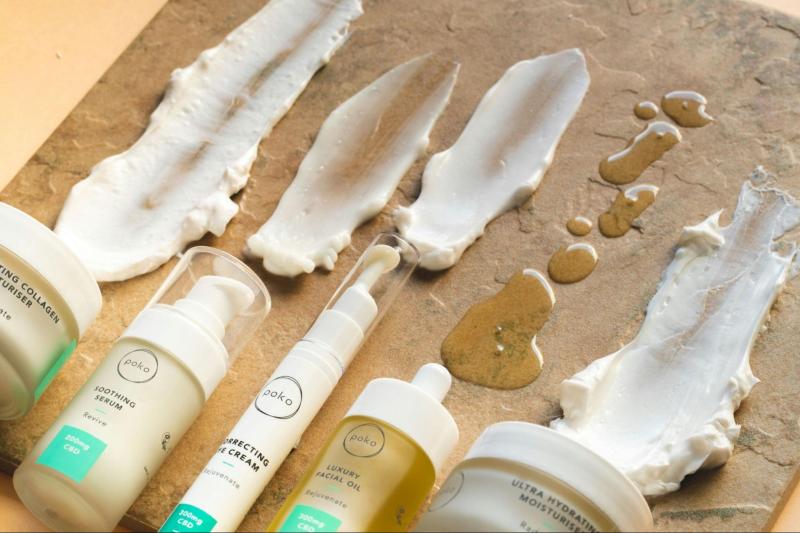
Natural cosmetics are based on ingredients from plant, mineral, and biological sources, without harmful synthetic substances, and are becoming the preferred choice of consumers worldwide. In 2025, the global market for natural and organic products is expected to exceed one hundred and nine billion dollars, as awareness of the connection between care products and overall health increases rapidly.
What Drove the Natural Revolution?
The rise in chronic disease incidence like allergies, hormonal disorders, and cancer raised awareness about substances we expose our skin to. Studies found connections between parabens, phthalates, and chemical preservatives with endocrine disruptions. When the public understood that skin is not a barrier but a sponge, the question of what enters care products became critical.
The conscious consumer movement gained momentum with access to information. People search product labels on apps that break down ingredients, and are no longer willing to accept vague explanations from manufacturers. The demand for transparency led major brands to adjust formulas or lose significant market share to new players who place naturalness at the product's core.
What Really Defines Natural Cosmetics?
The definition of natural cosmetics requires that at least ninety-five percent of ingredients be from natural sources - plants, minerals, or biological fermentation products. Preservatives are allowed only if natural like vitamin E, benzoic acid, or plant alcohol. Fragrance must come from essential oils, not synthetic perfumes.
International standards like NaTrue and COSMOS also define prohibitions: no use of petroleum-derived mineral oils, PEGs, silicones, genetically engineered substances, or animal testing. Ingredients must be processed by simple mechanical methods that don't alter the natural molecular structure, so biological properties are preserved.
Which Natural Ingredients Are Revolutionizing Care?
Unrefined coconut oil provides fatty acids that strengthen the skin barrier. Cocoa butter is rich in flavonoids that protect from environmental damage. Beeswax creates a protective film that doesn't clog pores but retains moisture. Plant glycerin attracts moisture from the air directly to skin cells.
Extracts from marine algae contain rare minerals that promote collagen production. Snail extract provides allantoin for healing acceleration. Sweet almond oil is gentle enough for baby skin but effective for adults with eczema or psoriasis. Nature offers solutions for every skin type and every problem, without needing to invent molecules in a laboratory.
Why Are Synthetic Fragrances So Problematic?
One perfume may contain two hundred different substances, but manufacturers are not required to detail them on the label. Some are known allergens, and others are potential hormone disruptors. Synthetic fragrances tend to remain in the body much longer than natural counterparts, accumulating in fatty tissues.
Essential oils provide complex and changing scent like perfume, but they are also therapeutic. Lavender soothes inflammation and reduces anxiety through smell. Rosemary promotes blood flow and improved focus. Tea tree is antibacterial and helps treat acne. Natural scent integrates with body systems instead of fighting them.
Do Natural Products Suit All Skin Types?
Sensitive skin especially benefits from the transition to natural, because the absence of synthetic substances reduces irritation. Oily skin responds well to light oils like jojoba or grape that balance sebum production without clogging. Dry skin needs products rich in shea butter and avocado oil that provide deep moisture.
Aging skin seeks strong antioxidants found abundantly in plants - flavonoids from green tea, resveratrol from grapes, lycopene from tomatoes. Acne-prone skin needs antibacterial properties of tea tree oil or natural willow bark extract. For every skin condition, there exists an arsenal of plant solutions that underwent millions of years of evolution.
What's the Connection Between Natural and Sustainable?
Natural ingredients decompose in nature without leaving toxic residues. They don't pollute water sources and don't harm marine life. Production processes require less energy and water than chemical synthesis, and industrial waste is organic and compostable.
Agriculture of industrial plants for care products supports local communities. Cultivation of shea in Africa, argan in Morocco, or lavender in Provence creates sustainable employment. Purchasing a natural product is a wallet vote for an economic model that respects people and the environment.
Is There Government Regulation on Natural Claims?
Regulation varies between countries. In the European Union, a product cannot be marketed as natural without meeting standards of recognized certification bodies. In the United States, the FDA does not officially define "natural" in cosmetics, leading to freer use of the term. This is why consumers must look for third-party certifications like USDA Organic or Ecocert.
Greenwashing is a common phenomenon - brands using green colors, leaf images, and words like "plant family" but the product still contains mostly synthetic chemicals. Careful reading of the ingredient list (INCI) is the only tool protecting against fraud. Ingredients appear in descending quantity order, so if water and paraffin are the first two items, this is not truly natural cosmetics.
How Does the Transition to Natural Affect the Beauty Industry?
Giant brands like Estée Lauder and L'Oréal acquired small natural care companies to enter the market. They invest billions of dollars in research on plant extracts and green production processes. This change indicates this is not a passing trend but a structural shift in consumer expectations.
New laboratories specialize in green biotechnology - using fermentation of bacteria and plants to produce natural active ingredients in high concentrations. This allows obtaining benefits of rare substances like saffron or caviar without overexploitation of natural resources. The future is a combination of nature's wisdom with responsible scientific innovation.
When Should You Consult a Professional Before Transitioning?
People with medical skin conditions like psoriasis, rosacea, or severe dermatitis should talk to a dermatologist before a complete routine change. Some natural ingredients may cause allergic reactions, especially essential oils in high concentrations or nut-derived ingredients.
Pregnant or nursing women should avoid certain ingredients like plant retinol or specific essential oils that might affect hormones. Professional consultation ensures the transition to natural is safe and effective, without causing unwanted side effects. A good rule of thumb is to start with basic and simple products, gradually adding complexity.
The Smart Return to Roots
The transition to natural cosmetics is not a retro movement but a modern evolution. It combines ancient knowledge of plants' healing powers with current science that understands how natural molecules function at the cellular level. In 2025, consumers have more power than ever to demand transparency, safety, and sustainability from beauty brands. Choosing nature is not just about what enters the skin but about what world we want to create - a world where beauty and health don't come at the expense of the earth or future generations. Every jar of natural cream is a statement that quality of life starts with awareness of everything we touch on our skin.
Post Your Ad Here
Comments