What Should You Know Before Trying Spa Treatments at Home?
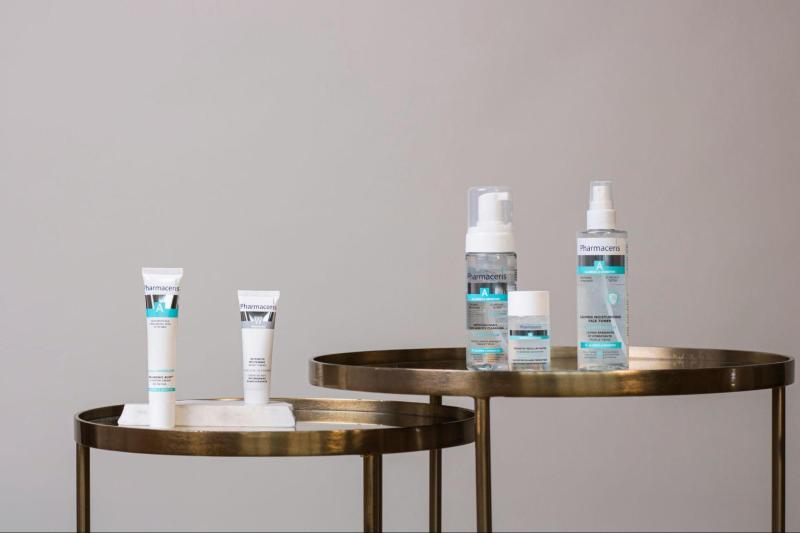
Home spa treatments offer the possibility of pampering and skin restoration without leaving the house, but require understanding of proper techniques, appropriate product selection, and safety. In 2025, the home spa trend has gained momentum as people seek relaxing experiences that combine physical and mental well-being.
Why Are Home Spa Treatments So Popular?
The high cost of professional spa visits prevents many people from enjoying regular treatments. One facial treatment at a luxury spa costs between two hundred to five hundred shekels, while products for a similar home treatment cost less than half the price and last for multiple sessions. The savings accumulate quickly, especially for families or those wanting weekly treatments.
Flexibility is another significant advantage. No need to coordinate appointments, travel, or adjust to business hours. A treatment can be done at 10 PM after a long workday, or at 6 AM before starting the day. Privacy at home allows true relaxation without embarrassment or social pressure.
Which Products Are Essential for Basic Home Spa?
A gentle cleanser is the first step. Choose a formula that suits skin type - gel for oily skin, cream for dry skin, micellar water for sensitive skin. A scrub or gentle chemical peel removes dead skin cells and prepares skin for absorption of active ingredients. Scrubbing frequency should be once to three times weekly, no more.
A therapeutic face mask is selected according to need - clay for deep cleansing, collagen sheets for intense moisture, or charcoal mask for absorbing excess oil. A serum concentrated with active ingredients like hyaluronic acid, vitamin C, or antioxidants applied immediately after cleansing. Rich moisturizer locks in all layers and maintains moisture for hours.
How to Create an Authentic Spa Atmosphere?
The environment affects treatment effectiveness no less than the products themselves. Dim lighting or candles encourage melatonin secretion and cortisol reduction, the stress hormone. Quiet music at low frequencies calms the parasympathetic nervous system and encourages a state of rest and recovery.
Room temperature should be between twenty-three to twenty-five degrees Celsius - warm enough to feel comfortable but not so hot to cause sweating. Heated towels and room-temperature drinking water with cucumber or lemon slices add a sense of indulgence. The scent of lavender or eucalyptus from essential oil in an aromatherapy diffuser completes the sensory experience.
What Are Common Mistakes in Home Treatments?
Using excessive force when scrubbing damages skin and doesn't clean better. Movements should be gentle and circular, without pressure causing redness or pain. Leaving a mask longer than recommended won't increase the effect but may cause drying or irritation. Follow manufacturer instructions on packaging exactly.
Mixing products from different brands without knowledge may create unexpected chemical reactions. Acids and retinol, for example, should not be combined in the same routine. Using expired products is dangerous, because active ingredients decompose and the product may contain bacteria. Always check expiration dates and discard products where smell, color, or texture has changed.
Can Professional Massage Techniques Be Integrated?
Facial massage increases blood flow, assists lymphatic drainage, and reduces puffiness. Movements should always be upward and outward from the center, against gravity's direction. Gentle pressure on specific pressure points like between eyebrows, at nose sides, and at jaw corners releases tension accumulated during the day.
Using tools like jade stone rollers or gua sha improves effectiveness. Tools are cooled in the refrigerator before use to enhance the anti-inflammatory effect. Movements must be slow and intentional, not random, and it's recommended to watch professional tutorials online before the first attempt. Consistency is key - five minutes of massage every evening is more effective than half an hour once monthly.
What's the Role of Steam and Home Hydrotherapy?
Steam opens pores and facilitates removal of dirt and oil stuck deep in skin. Simple steam can be prepared by boiling water in a pot, adding green tea or chamomile leaves, and inhaling steam under a towel for five to ten minutes. It is important to maintain a distance of at least thirty centimeters from boiling water to prevent burns.
Foot baths with sea salt and essential oils relax the entire body through reflexology points in the feet. Water temperature should be between thirty-seven to forty degrees Celsius, and immersion duration is about twenty minutes. Adding a tablespoon of magnesium salt helps muscle relaxation and treating chronic pain.
How Much Time Should Be Dedicated to a Perfect Treatment?
A basic treatment should take between forty-five to sixty minutes. Cleansing and scrubbing five to ten minutes each, the mask stays ten to twenty minutes, and massage and final moisture steps another twenty minutes. Don't rush - time itself is part of the treatment, and skin needs time to absorb ingredients.
An extended treatment once weekly can last up to two hours and include additional treatments like hair mask, body exfoliation, and body moisture wrap. Advance planning is important - preparing all products, towels, and tools beforehand prevents interruptions mid-treatment. This time investment pays off in a feeling of renewal and vitality lasting days.
Can Children and Teenagers Participate?
Children from age six and up can enjoy adapted spa treatments with adult supervision. Their sensitive skin requires especially gentle products, without acids or retinol. Natural masks from fruits like avocado or honey, scented bubble bath, and gentle foot massage are safe and enjoyable treatments.
Teenagers with acne can learn proper cleansing routines and use clay masks once weekly. It is important to explain the importance of maintaining hygiene - not touching your face during the day, frequent pillowcase changes, and not using others' products. Education about care at a young age builds healthy habits for life.
When Is It Recommended to Seek Professional Help?
Complex skin problems like cystic acne, severe rosacea, or suspicious lesions require medical diagnosis. Home treatments can complement professional treatment but not replace it. If after eight weeks of consistent routine there's no noticeable improvement, it's time to consult a dermatologist.
Advanced treatments like deep chemical peel, laser treatments, or botox and filler injections should be performed only by certified professionals. Attempting to mimic these techniques at home may cause permanent skin damage, scarring, or dangerous infections. The golden rule is - if it sounds too complicated, it probably is.
Your Personal Spa
Home spa treatments offer an accessible, economical, and effective way to maintain skin health and take a break from the daily race. They require initial investment in quality products and time to learn proper techniques, but the return is glowing skin, a feeling of freshness, and stress level reduction. In 2025, as life becomes increasingly complex, creating a personal sanctuary of tranquility within the home is not a luxury but a necessity. Time dedicated to yourself, in a controlled and pleasant environment, is a gift you give to both body and soul. Every home spa treatment is an invitation to slow down, breathe deeply, and remind yourself that you deserve care and appreciation.
Post Your Ad Here
Comments