The Essential Importance of Good Foot Hygiene Practices
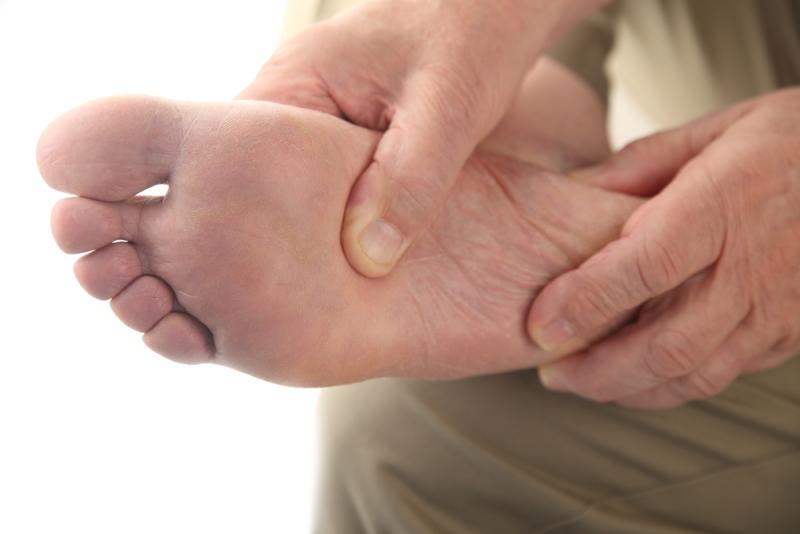
Our feet are among the hardest-working parts of our bodies, carrying us through an average of 8,000 to 10,000 steps each day. Despite their crucial role in our mobility and overall quality of life, feet are often the most neglected aspect of personal hygiene. Many people meticulously care for their teeth, skin, and hair while paying minimal attention to their feet until problems arise. However, maintaining good foot hygiene practices is not merely a matter of cosmetic concern—it is fundamental to physical health, social wellbeing, and the prevention of numerous medical complications that can significantly impact daily life.
The most immediate and common consequence of poor foot hygiene is the development of fungal infections, with athlete's foot being the most prevalent. This condition, medically known as tinea pedis, thrives in the warm, moist environment created by inadequate foot care. The fungus causes itching, burning, cracking, and peeling skin between the toes and on the soles of the feet. Without proper hygiene practices such as thorough washing, complete drying, and regular sock changes, these infections can persist for months or even years. Moreover, fungal infections are highly contagious and can spread to other parts of the body, including the groin and hands, or to other people through shared surfaces like shower floors and towels. What begins as a minor irritation can evolve into a chronic condition requiring extensive medical treatment.
Beyond fungal infections, poor foot hygiene creates an ideal breeding ground for bacterial growth, leading to unpleasant foot odor and more serious conditions like pitted keratolysis. This bacterial infection causes small depressions in the skin of the feet and produces a particularly foul smell. In more severe cases, bacteria can enter the body through small cuts or cracks in the skin, potentially causing cellulitis—a serious skin infection that can spread to the lymph nodes and bloodstream if left untreated. For individuals with compromised immune systems or diabetes, such infections can become life-threatening, potentially leading to sepsis or requiring hospitalization.
For people living with diabetes, foot hygiene is not simply important—it is absolutely critical. Diabetes often causes peripheral neuropathy, a condition that reduces sensation in the feet, making it difficult to notice small injuries, blisters, or cuts. When combined with poor circulation, which is also common in diabetics, even minor foot problems can rapidly escalate into serious complications. A small blister ignored due to lack of sensation can become infected, and poor blood flow prevents the body from healing the wound effectively. This combination can lead to diabetic foot ulcers, which are notoriously difficult to treat. In the most severe cases, these ulcers can result in gangrene and necessitate amputation. Studies have shown that approximately 85% of diabetes-related amputations are preceded by foot ulcers, making daily foot hygiene practices—including inspection, washing, and moisturizing—literally limb-saving activities for diabetic patients.
The impact of foot hygiene extends beyond immediate health concerns to affect psychological and social wellbeing. Foot odor, often resulting from bacterial accumulation due to poor hygiene, can be a source of significant embarrassment and social anxiety. People who struggle with foot odor may avoid social situations where removing shoes is customary, such as visiting others' homes, attending certain cultural or religious events, or participating in activities like yoga classes or martial arts. This avoidance can lead to social isolation and reduced quality of life. Furthermore, visible foot conditions such as yellowed toenails from fungal infections, cracked heels, or calluses can cause self-consciousness, particularly in situations requiring open-toed footwear. While these may seem like superficial concerns, the psychological impact of feeling unable to fully participate in social life should not be underestimated.
Good foot hygiene also plays a crucial role in overall comfort and physical performance. Athletes, whether professional or recreational, depend on healthy feet to perform at their best. Blisters, calluses, or infections can significantly impair athletic performance and increase the risk of injury. When feet are uncomfortable, people naturally alter their gait and posture to compensate, which can lead to a cascade of musculoskeletal problems affecting the ankles, knees, hips, and lower back. Regular foot care, including keeping toenails properly trimmed, skin moisturized, and feet clean and dry, helps prevent these issues and ensures that our foundation remains strong and stable.
Establishing good foot hygiene practices is remarkably straightforward and requires minimal time investment for substantial benefits. The foundation involves daily washing with soap and water, paying particular attention to the spaces between the toes where moisture and bacteria accumulate. Equally important is thorough drying, as damp feet create the perfect environment for fungal and bacterial growth. Changing socks daily, or more frequently if feet become sweaty, prevents the accumulation of bacteria and moisture. Choosing breathable footwear and allowing shoes to dry completely between wearings further reduces infection risk. Regular inspection of the feet for any cuts, blisters, discoloration, or changes helps catch problems early when they are most easily treated. Moisturizing the feet, while avoiding the areas between the toes, prevents painful cracking while maintaining healthy skin integrity.
Foot hygiene deserves far more attention than it typically receives in discussions of personal health and wellness. The consequences of neglecting our feet range from minor discomfort to serious medical emergencies, particularly for vulnerable populations. By incorporating simple, consistent foot care practices into our daily routines, we can prevent a wide array of health problems, maintain our mobility and independence, enhance our social confidence, and protect our overall wellbeing. Our feet carry us through life—they deserve the care and attention necessary to keep them healthy and functional for years to come.

Post Your Ad Here
Comments (1)
All Natural Artisan6
All Natural Artisan
Our feet carry us through life—they deserve the care and attention necessary to keep them healthy and functional for years to come.