What Are the New Trends Changing the Spa and Skincare World in 2025
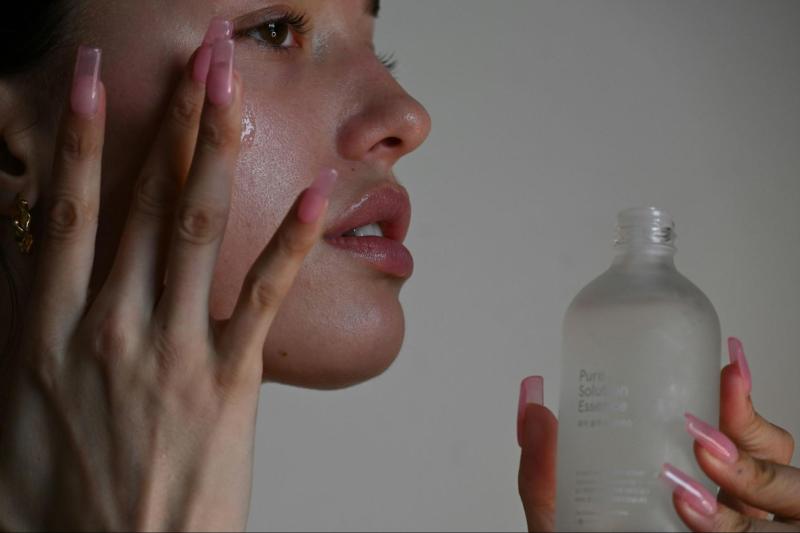
The spa and skincare world is experiencing a technological and conceptual revolution in 2025. Consumers are seeking more meaningful experiences, personalized products, and solutions that combine advanced technology with traditional holistic approaches. The global spa and skincare industry is valued at billions of dollars, and current trends reflect deep changes in consumer expectations and available technologies. These revolutions affect how people relate to wellness, health, and self-care.
The global natural and organic cosmetics market is expected to reach 95.7 billion dollars by 2035, with an annual growth rate of about 5.7%. This growth is driven by growing demand for clean, safe products with positive environmental impact. Consumers of all ages are seeking products and spa services that align with their personal values and contribute to their physical and mental well-being.
How is AI Technology Changing the Spa Experience?
Artificial intelligence is penetrating the spa and skincare world in a way that enables unprecedented personalization. AI systems can analyze skin condition through digital scans, identify issues like dryness, pigmentation, or wrinkles, and recommend specific treatments and products. This technology enables therapists to provide more targeted service and track treatment progress over time.
Smart recommendation systems analyze customer preferences, treatment history, and skin responses to different products. Based on this information, the system can create a personal treatment plan that changes according to progress and changing needs. Customers enjoy an experience that feels unique and specially adapted for them.
The spa of the future also integrates augmented reality (AR) and virtual reality (VR) to create therapeutic experiences that combine mental calm with physical treatment. Customers can experience guided meditations in calming virtual environments while receiving massage or facial treatment. This combination of technology and calm creates an integrated experience that acts on all senses.
What is a Holistic Spa and How is it Different from Traditional Spa?
The holistic spa treats the person as a complete unit of body, mind, and spirit, instead of focusing only on cosmetic treatments. This approach combines traditional treatments like massage and exfoliation with practices like yoga, meditation, acupuncture, and Ayurvedic medicine. The goal is not only to improve skin appearance, but to achieve internal balance and overall well-being.
In a holistic spa, therapists take into account lifestyle, dietary patterns, stress levels, and overall health of the client. They may recommend dietary changes, breathing exercises, or changes in sleep routine as part of the treatment plan. This comprehensive approach recognizes that skin health is affected by multiple factors, and that true treatment requires addressing all these aspects.
Retreat programs at holistic spas combine several days of treatments with wellness lectures, healthy cooking workshops, and physical activities like nature walks or tai chi. This comprehensive experience allows clients to leave routine, focus on their well-being, and return home with tools to continue the path.
How Are Personalized Products Changing the Skincare Market?
Personalization is one of the strongest trends in skincare in 2025. Instead of buying standard products, customers can now receive serums, creams, and masks created especially for their skin type, specific needs, and environmental conditions they live in. The customization process begins with a comprehensive questionnaire or digital skin test that collects information about skin condition, existing problems, and personal preferences.
Advanced brands use complex algorithms to determine the optimal combination of active ingredients. The formula can change over time according to skin changes, season, or age. This dynamic approach ensures products are always relevant and effective.
Personalization also occurs in scents and textures. Customers can choose their preferred fragrance, cream richness level, and even packaging type. This experience makes purchasing more involved and allows customers to feel like partners in creating the perfect product for them.
What Are the New Technologies in Facial Treatments?
Advanced facial treatments now combine technologies developed in scientific laboratories. LED therapy uses lights in different colors to treat various skin problems. Red light stimulates collagen production and reduces wrinkles, blue light kills acne bacteria, and green light reduces pigmentation. These treatments are non-invasive, with no recovery time, and provide cumulative results with consistent use.
Microcurrent therapy uses mild electrical currents to tighten and contour facial muscles. The treatment is also known as "natural facelift" and provides immediate improvement in skin appearance. These currents increase blood flow, encourage ATP production (cellular energy), and help skincare products penetrate deep into the skin.
Radiofrequency (RF) uses radio waves to heat the deep layers of the skin and encourage collagen production. The treatment is effective in skin tightening, wrinkle reduction, and improving overall texture. RF is considered safe and effective, with results lasting several months.
Why Has Mental Wellness Become Part of the Spa?
Growing awareness of the connection between mental health and physical health has led to integration of mental wellness services in spas. Chronic stress affects the skin in various ways, including worsening acne, appearance of wrinkles, and premature aging. Modern spas now offer treatments aimed at reducing stress and promoting mental balance.
Guided meditation, breathing exercises, and sound therapy are part of the offered services. These practices reduce cortisol levels (stress hormone), improve sleep quality, and promote a sense of calm. Many spas also integrate nutritional counseling and lifestyle change guidance, from understanding that true wellness requires a comprehensive approach.
Treatments like aromatherapy use essential oils to affect mood and mental well-being. Oils like lavender calm and reduce anxiety, while oils like citrus encourage energy and joy. The combination of scents, relaxing music, and dim lighting creates an environment that treats all senses.
How Do Sustainability Principles Integrate into Spa and Skincare?
Environmental sustainability has become a central consideration for consumers and businesses in the spa industry. Spa facilities are investing in renewable energy, reducing water consumption, and using environmentally friendly cleaning products. Many also promote zero-waste policy, with recycling and reuse of products and packaging.
Skincare products used in spas are carefully selected according to sustainability criteria. Brands using organic ingredients sourced from regenerative agriculture and avoiding animal testing are preferred. Recycled packaging, biodegradable tubes, and refillable packages have become the norm in many places.
Community projects are also part of environmental commitment. Many spas support projects promoting local agriculture, forest restoration, or water resource preservation. This approach reflects understanding that sustainability is not just about reducing harm, but about positive contribution to community and environment.
What is the Role of Regenerative Agriculture in Spa Products?
Regenerative agriculture is an agricultural method aimed not only at avoiding harm, but at restoring and enriching soil, increasing biodiversity, and reducing carbon emissions. Instead of using pesticides and synthetic fertilizers, regenerative agriculture relies on natural processes like crop rotation, plant ground cover, and use of organic compost.
Advanced skincare brands collaborate with farmers implementing these methods to provide quality ingredients with positive impact. For example, argan oil from Morocco, lavender from Provence, and green tea from China can source projects that restore soils and support local communities. These methods also ensure ingredients will be fresh, rich in active substances, and have ethical impact.
The combination of sustainability and quality is also expressed in packaging. Companies invest in developing biodegradable materials, recycled glass, and plastic from renewable sources. Minimalist and reusable packages reduce waste amount and reflect genuine environmental commitment.
How Do At-Home Treatments Integrate into the Spa Experience?
The spread of the coronavirus pandemic accelerated the trend of at-home treatments, and spa businesses responded by developing products and kits that enable recreating the spa experience at home. DIY kits for exfoliation, masks, and body treatments are now available in a wide variety, with simple instructions and quality ingredients.
Many spas now also offer virtual consultation services, where therapists guide clients in performing treatments at home. These sessions can include product recommendations, demonstrations of massage techniques, and tips for improving daily skincare routine. This combination of professionalism and home-friendliness allows clients to receive value even between spa visits.
Home skincare devices like ultrasonic cleaning brushes, microcurrent devices, and LED masks have become very popular. These devices provide professional results in home comfort, and complement spa treatments. Clients enjoy the flexibility of home treatments alongside the pampering experience of periodic spa visits.
What Are the Trends in Body Treatments and Massage?
Body treatments and massage are evolving with a combination of traditional and modern techniques. Thai massage, shiatsu, and deep tissue massage remained popular, but are now combined with technologies like infrared heating, hot stones, and special tools like gua sha and cupping.
Treatments combining nature elements, like mud treatments, seaweed, or Dead Sea salts, provide detoxification, nourishment, and relaxation. These ingredients are rich in minerals and active substances that treat issues like cellulite, stretch marks, and dry skin. Combining body treatment with mineral bath or sauna increases effectiveness and creates a relaxing and renewing experience.
Therapeutic massages adapted to specific needs, like muscle pain relief, blood flow improvement, or stress reduction, are offered by skilled therapists using techniques based on anatomical and physiological knowledge. This experience combines medicine and wellness and provides immediate and long-term results.
How Are Spa Products Adapted to Climate and Seasons?
Adaptation to climate and seasons is an important part of smart skincare. Skin tends to be drier in winter due to cold air and wind, and oilier in summer due to heat and humidity. Spa products are adapted to provide what the skin needs in each season.
In winter, richer creams, nourishing masks, and deep oil treatments help keep the skin moist and protected from harsh conditions. In summer, lighter creams, refreshing gels, and treatments with aloe vera or cucumber provide hydration without clogging pores. Combining high SPF protection in summer is essential for preventing sun damage.
Products adapted to each region's unique climate take into account factors like humidity levels, air pollution, and UV radiation. For example, in polluted cities, products with strong antioxidants help protect against pollution damage. In areas with strong sun, products with high SPF and after-sun repair are essential.
The spa and skincare world in 2025 combines advanced technology with holistic approaches, personalization, and commitment to sustainability. Trends like using artificial intelligence, developing personalized products, integrating mental wellness in treatments, and using regenerative agriculture are changing how people relate to self-care. The modern spa offers a comprehensive experience that treats body, mind, and spirit, and provides tools to continue the path at home as well. These trends reflect a deep change in consumer values, who seek not only external beauty but true wellness, long-term and sustainable.
Post Your Ad Here
Comments