Is Organic Cosmetics Really Healthier Than Conventional
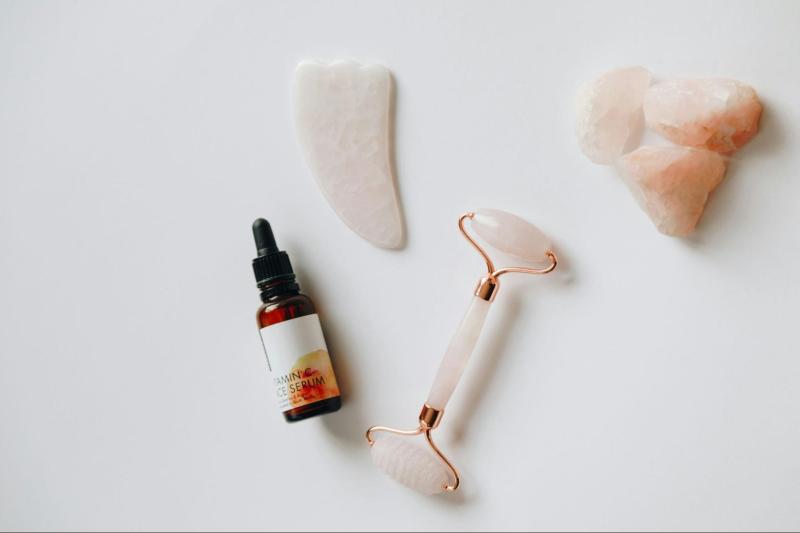
Choosing natural skincare products for facial skin is one of the biggest challenges in an era where the market is flooded with products claiming to be "natural" but don't always meet authentic standards. Facial skin requires cosmetics based on quality ingredients that provide nourishment, protection, and cell renewal. The key to success lies in a deep understanding of active ingredients and informed selection of products that truly match individual skin needs.
The global natural and organic cosmetics market is expected to reach 95.7 billion dollars by 2035. This growth is driven by consumers' growing understanding that synthetic ingredients can cause irritation, allergies, and long-term skin damage. Research shows that chemical ingredients like parabens, sulfates, and artificial fragrances can penetrate the deep layers of the skin and affect the hormonal system.
What is the Difference Between Natural and Organic Cosmetics?
Distinguishing between natural and organic products is critical for informed purchasing. A natural product contains at least 95% ingredients from plant or mineral sources, but not necessarily grown using organic agricultural methods. In contrast, an organic product must contain at least 95% certified organic ingredients grown without pesticides, synthetic fertilizers, or GMOs. International standards like COSMOS and ECOCERT provide certification for organic cosmetics and ensure compliance with the highest standards.
Another difference is in packaging and production methods. Organic products are required to use recycled or biodegradable packaging and operate according to environmental sustainability principles. Over 30% of consumers now prefer brands that align with their environmental and social values, and the trend is strengthening each year.
Which Active Ingredients are Essential in Natural Face Care?
Hyaluronic acid is one of the most important ingredients for maintaining skin moisture. This molecule can hold 1000 times its weight in water, ensuring deep hydration and a full, fresh appearance. Combining hyaluronic acid in a serum or day cream can reduce the appearance of fine lines and improve skin elasticity.
Retinol, a derivative of vitamin A, is an ingredient with proven anti-aging properties. It increases collagen production, encourages cell renewal, and helps open clogged pores. Regular use of retinol can lead to significant improvement in skin texture, tone, and wrinkle reduction. It's important to incorporate retinol into the evening routine, as it can increase sun sensitivity.
Vitamin C is a powerful antioxidant that protects the skin from UV radiation damage and air pollution. It assists in collagen synthesis, brightens pigmentation spots, and gives the skin a healthy glow. Combining vitamin C in a morning serum can provide additional protection and improve overall appearance.
Niacinamide, also known as vitamin B3, helps regulate oil production, minimizes pores, and reduces redness. It strengthens the skin barrier and helps treat combination or oily skin. Its anti-inflammatory properties make it particularly suitable for people with sensitive skin.
How to Choose Products According to Skin Type?
Dry skin requires formulas rich in plant oils and fatty acids. Argan oil, jojoba oil, and shea butter provide deep nourishment and help restore the hydrolipidic barrier. It's important to choose creams with a rich texture and serums containing moisturizing ingredients like glycerin and ceramides.
Oily skin secretes excess sebum and requires balance between oil and moisture. AHA and BHA acids, like glycolic acid and salicylic acid, help with gentle exfoliation and pore cleansing. It's important to choose lightweight water-based creams and avoid heavy textures that may clog pores.
Combination skin combines oily areas in the T-zone and dry areas on the cheeks. The key is using products that balance both sides, like a light morning serum and a more nourishing night cream. A balancing toner can help restore the skin's pH level after cleansing.
Sensitive skin tends toward irritation and redness. It's important to choose products without artificial fragrances, parabens, or alcohol. Soothing ingredients like aloe vera, chamomile, and azulene can reduce inflammation and strengthen the skin barrier.
What is the Role of SPF Protection in Skincare Products?
Protection against UV radiation is perhaps the most important step in preventing premature skin aging and skin cancer. Mineral sunscreens based on zinc oxide or titanium dioxide provide broad-spectrum protection against UVA and UVB radiation. Daily use of at least SPF 30 is essential, even on cloudy days or in winter.
Large-scale studies show that consistent use of sun protection can significantly slow the skin aging process and drastically reduce the risk of melanoma. It's important to apply sunscreen as the last layer in the morning routine, after serum and day cream.
Are Natural Products as Effective as Synthetic Ones?
A common question is whether natural ingredients provide results similar to their synthetic counterparts. Scientific research shows that many natural ingredients offer similar or even higher efficacy, especially when it comes to ingredients like hyaluronic acid, peptides, and plant antioxidants. Innovation in the cosmetics industry now allows creating natural formulas that combine advanced technology with botanical ingredients.
However, it's important to understand that not every "natural" product is necessarily safe or effective. Some natural ingredients can cause allergies or irritation, especially if they're concentrated plant extracts or essential oils. Therefore, checking the ingredient list and performing a sensitivity test are essential before using a new product.
How to Identify Greenwashing in Cosmetic Products?
The phenomenon of greenwashing, where companies use "green" marketing without the product meeting authentic standards, is a widespread problem in the industry. Consumers need to be vigilant and look beyond marketing slogans. Searching for official certifications like COSMOS, ECOCERT, or USDA Organic ensures the product has undergone rigorous testing.
Reading the ingredient list is essential. A product containing one natural ingredient at the end of the list is not a truly natural product. Ingredients appear in the list by order of concentration, so important active ingredients should appear in the first five. Recycled packaging, sustainable production practices, and avoiding animal testing are additional points that indicate genuine commitment.
What Are the New Trends in Natural Cosmetics in 2025?
The natural cosmetics world is experiencing a revolution in 2025. The most prominent trend is personalization, where brands offer custom formulas for specific customer needs. AI technologies now enable precise skin analysis and creation of products that exactly match skin type, age, and climate conditions.
Minimalist and biodegradable packaging has become standard among leading brands. Consumers are looking for zero-waste solutions, and companies are responding with refillable glass packaging, tubes made from bio-degradable materials, and minimal packages. Another trend is using ingredients sourced from regenerative agriculture, which contributes to soil restoration and carbon emission reduction.
The "no-makeup makeup" trend has led to growing demand for skincare products that provide cosmetic properties. BB creams and CC creams with natural ingredients that provide both treatment and light coverage have become particularly popular. These products allow the skin to breathe while providing confidence and a perfect appearance.
How to Build an Effective Natural Skincare Routine?
A successful skincare routine starts with gentle yet thorough cleansing. Oil-based cleansers or micellar water remove makeup and dirt without damaging the skin's natural barrier. Double cleansing in the evening, starting with oil-based cleansing and ending with a light gel cleanser, ensures complete removal of impurities.
After cleansing, a balancing toner restores the skin's pH level and prepares it for optimal absorption of subsequent skincare products. A serum rich in active ingredients provides targeted treatment for issues like pigmentation spots, wrinkles, or dryness. Choosing a serum containing hyaluronic acid, vitamin C, or niacinamide depends on individual needs.
Moisturizer seals the treatment and ensures active ingredients remain in the skin. In the morning, combining a cream with SPF is mandatory. In the evening, a richer night cream can provide deep nourishment during sleep hours, when the skin is in a state of natural renewal.
Once to twice a week, gentle exfoliation or a treatment mask can improve skin texture and remove dead cells. AHA acids like glycolic acid offer gentle exfoliation suitable for most skin types.
Choosing natural skincare products for facial skin requires knowledge, research, and understanding of active ingredients and their effects. The natural and organic cosmetics world now offers advanced solutions that combine scientific innovation with ingredients from plant and mineral sources. Understanding the difference between natural and organic products, identifying greenwashing, and choosing ingredients adapted to skin type are the keys to achieving healthy, glowing, and fresh skin. The market continues to evolve, and consumers are gaining access to higher quality, safer, and more effective products than ever before. Investing in a skincare routine based on natural products is a long-term investment in skin health and overall well-being.

Post Your Ad Here
Comments