The Role of Fisiocrem in Managing Muscle and Joint Problems
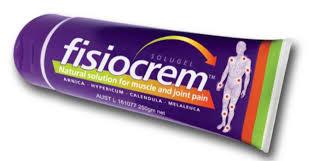
Muscle and joint discomfort affects millions of people worldwide, ranging from athletes dealing with sports-related injuries to older adults experiencing age-related deterioration, and everyday individuals suffering from overuse or strain. In the search for effective relief, topical analgesics have become increasingly popular as non-invasive alternatives to oral medications. Among these products, Fisiocrem has emerged as a notable option for those seeking natural relief from musculoskeletal pain. This essay explores the composition, mechanisms, applications, and considerations surrounding the use of Fisiocrem for muscle and joint problems.
Composition and Natural Foundation
Fisiocrem distinguishes itself in the crowded market of topical pain relief products through its foundation in natural ingredients. The formulation typically centers around a blend of plant-based extracts that have been traditionally associated with anti-inflammatory and analgesic properties. Key ingredients commonly include arnica montana, hypericum perforatum (St. John's Wort), calendula officinalis, and melaleuca alternifolia (tea tree oil). These botanical components work synergistically to address various aspects of muscle and joint discomfort.
Arnica montana has a long history in traditional medicine for treating bruises, sprains, and muscle soreness. Its potential anti-inflammatory properties make it particularly relevant for conditions involving tissue swelling and inflammation. Hypericum perforatum contributes additional anti-inflammatory effects while potentially offering nerve-soothing properties that can be beneficial for pain management. Calendula officinalis is known for its skin-conditioning properties and may support tissue healing, while tea tree oil provides antimicrobial benefits and can help with skin penetration of other active ingredients.
The appeal of this natural composition extends beyond mere preference for botanical products. For many users, particularly those concerned about synthetic chemicals or those who have experienced adverse effects from conventional pain medications, a plant-based formulation offers a gentler alternative that may be better tolerated over extended periods of use.
Mechanisms of Action
Understanding how Fisiocrem works requires examining the various pathways through which its ingredients may influence muscle and joint discomfort. The primary mechanisms involve local anti-inflammatory effects, improved circulation to the affected area, and potential modulation of pain signaling.
When applied topically, the active compounds in Fisiocrem penetrate the skin layers to reach underlying tissues. The anti-inflammatory properties of ingredients like arnica may help reduce swelling and inflammation at the cellular level, potentially decreasing the pressure on pain-sensitive structures and improving mobility. Enhanced local circulation, promoted by the massaging action during application and the warming sensation some users experience, can facilitate the delivery of oxygen and nutrients to damaged tissues while helping remove metabolic waste products that accumulate in injured areas.
The counter-irritant effect, whereby the skin sensations created by the cream compete with deeper pain signals, may also play a role in the perceived pain relief. This mechanism, similar to that employed by many topical analgesics, can provide temporary distraction from deeper musculoskeletal discomfort.
Applications and Common Uses
Fisiocrem finds application across a diverse range of muscle and joint problems. Athletes frequently turn to such products for managing delayed onset muscle soreness (DOMS) following intense training sessions, addressing acute strains or sprains, and supporting recovery from minor sports injuries. The convenience of topical application allows for targeted treatment without the systemic effects associated with oral pain medications.
For individuals with chronic conditions such as osteoarthritis, products like Fisiocrem may offer supplementary relief when used as part of a comprehensive management strategy. While not a cure for degenerative joint conditions, the temporary pain reduction and improved local circulation can contribute to better function and quality of life. Similarly, those suffering from back pain, neck stiffness, or repetitive strain injuries may find topical treatments helpful for managing episodic flare-ups.
The application protocol typically involves massaging a small amount of the cream into the affected area several times daily. The massaging action itself provides therapeutic benefits by promoting lymphatic drainage and relaxing tense muscles, complementing the effects of the active ingredients.
Advantages and Limitations
Several advantages make Fisiocrem and similar topical treatments attractive options for muscle and joint problems. The localized application means that active ingredients are concentrated at the site of discomfort, potentially minimizing systemic exposure and associated side effects. This characteristic makes topical products particularly suitable for individuals who cannot tolerate oral non-steroidal anti-inflammatory drugs (NSAIDs) due to gastrointestinal sensitivity or other contraindications.
The non-invasive nature of topical application appeals to those seeking to avoid injections or oral medications, and the natural ingredient profile may resonate with individuals preferring botanical approaches to health management. Additionally, topical products can be used on an as-needed basis, offering flexibility in pain management strategies.
However, limitations must also be acknowledged. The effectiveness of topical treatments varies considerably among individuals, and what provides substantial relief for one person may offer minimal benefit to another. For deep-seated joint problems or severe inflammatory conditions, topical applications may not achieve sufficient penetration to meaningfully address the underlying pathology. Furthermore, while natural ingredients are generally well-tolerated, they are not entirely without risk of allergic reactions or skin sensitivities in susceptible individuals.
Fisiocrem represents one option among many in the landscape of topical treatments for muscle and joint problems. Its natural ingredient profile, ease of use, and favorable safety profile make it worth considering for individuals seeking alternatives to oral pain medications or those looking to complement existing treatment regimens. However, realistic expectations are important—topical treatments work best for mild to moderate discomfort and superficial muscle problems rather than severe or deep-seated conditions.
As with any therapeutic approach, individual responses vary, and what proves effective for managing muscle and joint problems differs from person to person. Those considering Fisiocrem or similar products should view them as part of a broader strategy that may include appropriate exercise, physical therapy, lifestyle modifications, and, when necessary, consultation with healthcare professionals for proper diagnosis and comprehensive treatment planning.

Post Your Ad Here
Comments