Treatment of Atrophy of the Heel Fat Pad
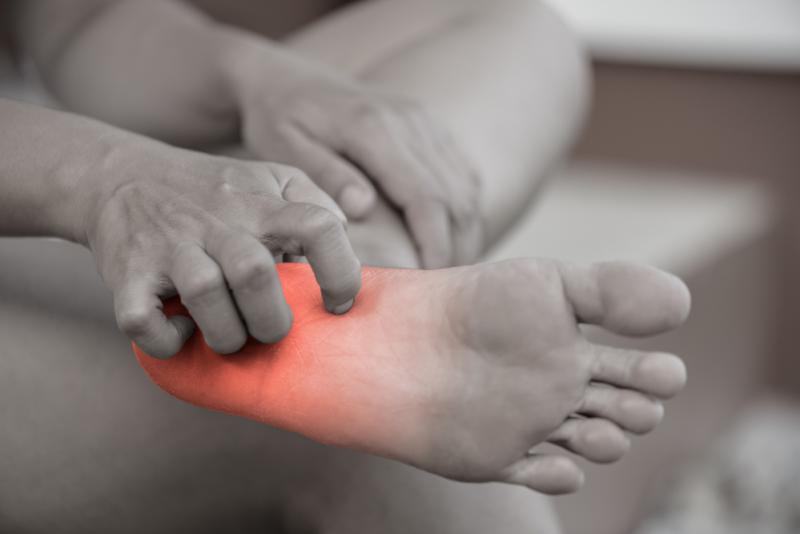
The heel fat pad serves as a critical shock-absorbing structure beneath the calcaneus, protecting the heel bone during weight-bearing activities. This specialized adipose tissue consists of fat-filled chambers separated by fibrous septa that compress and expand with each step, dissipating impact forces that can reach up to three times body weight during normal walking. When this protective cushion deteriorates—a condition known as heel fat pad atrophy—patients experience debilitating pain that can significantly impair mobility and quality of life. Understanding the treatment options for this condition is essential for clinicians and patients alike, as management requires a multifaceted approach combining conservative measures, lifestyle modifications, and occasionally surgical intervention.
Conservative Management: The Foundation of Treatment
Conservative treatment forms the cornerstone of managing heel fat pad atrophy and should be exhausted before considering more invasive options. The primary goal is to reduce pressure on the atrophied pad while promoting healing and preventing further deterioration. Cushioned footwear represents the first line of defense, with patients advised to wear shoes with thick, soft soles and adequate heel cushioning. Athletic shoes with gel or air-cushioned heels often provide excellent shock absorption, while rigid, thin-soled shoes should be avoided entirely.
Custom orthotic devices play a pivotal role in redistributing plantar pressures away from the compromised heel pad. Podiatrists can fabricate specialized heel cups made from silicone, viscoelastic polymers, or gel materials that cradle the heel and provide additional cushioning. These devices work by spreading impact forces over a larger surface area and may incorporate accommodative cutouts beneath the most painful areas. Some orthotics feature a slight heel lift, which can reduce strain on the Achilles tendon and decrease the force experienced during heel strike.
Taping techniques offer temporary relief and can be particularly useful during acute pain episodes. The low-dye taping method or specialized heel padding tapes provide external support and compression, helping to maintain the integrity of the remaining fat pad tissue. While taping requires frequent reapplication and may cause skin irritation in some patients, it serves as an effective bridge therapy while other interventions take effect.
Activity Modification and Weight Management
Lifestyle adjustments constitute an essential component of comprehensive treatment. Patients must identify and modify activities that exacerbate symptoms, particularly high-impact exercises like running, jumping, or prolonged standing on hard surfaces. Swimming, cycling, and other low-impact activities can maintain cardiovascular fitness without compromising heel integrity. When standing for extended periods becomes unavoidable, anti-fatigue mats provide valuable cushioning.
Weight management deserves special emphasis, as excess body weight directly correlates with increased plantar pressures and accelerated fat pad deterioration. Even modest weight reduction can yield significant symptomatic improvement by decreasing the mechanical load on the compromised tissue. Nutritional counseling and structured exercise programs tailored to the patient's mobility limitations can facilitate sustainable weight loss while avoiding activities that aggravate heel pain.
Advanced Conservative Therapies
When basic conservative measures prove insufficient, several advanced non-surgical options may provide relief. Extracorporeal shockwave therapy has emerged as a promising modality, delivering acoustic waves that may stimulate tissue regeneration and improve blood flow to the affected area. Though evidence remains mixed, some studies suggest meaningful pain reduction following a series of treatments, particularly when combined with other conservative measures.
Platelet-rich plasma injections represent another regenerative medicine approach gaining traction in orthopedic practice. By concentrating growth factors from the patient's own blood and injecting them into the atrophied region, practitioners aim to stimulate tissue repair and potentially restore some of the fat pad's structural integrity. While research continues to evolve, early results show promise for select patients who have failed conventional treatment.
Physical therapy interventions extend beyond simple cushioning to address biomechanical factors contributing to excessive heel loading. Therapists can assess gait patterns, identify compensatory movements, and prescribe exercises to strengthen intrinsic foot muscles and improve overall lower extremity mechanics. Stretching programs targeting the Achilles tendon and plantar fascia may also prove beneficial by optimizing force distribution during the gait cycle.
Injection Therapies and Augmentation
Corticosteroid injections, while controversial in heel fat pad atrophy, may provide temporary pain relief when inflammation accompanies tissue degeneration. However, clinicians must exercise extreme caution, as repeated corticosteroid administration can theoretically accelerate fat pad breakdown. These injections should be reserved for carefully selected cases and limited in frequency.
More innovative injection-based treatments focus on augmentation rather than anti-inflammatory effects. Autologous fat grafting involves harvesting adipose tissue from another body site and injecting it into the atrophied heel pad to restore volume and cushioning. This procedure capitalizes on the biocompatibility of the patient's own tissue and may provide lasting improvement when successful. Similarly, injectable dermal fillers containing hyaluronic acid or other biocompatible materials have been employed off-label to temporarily augment depleted fat pads, though longevity concerns and cost considerations limit widespread adoption.
Surgical Intervention
When conservative management fails after six to twelve months of dedicated treatment, surgical options may warrant consideration. Procedures range from simple debridement of fibrotic tissue to complex reconstruction using synthetic implants or autologous tissue transfers. Silicone heel implants can be surgically placed beneath the calcaneus to provide permanent cushioning, though complications including implant migration, infection, and chronic inflammation have been reported.
Flap procedures represent the most extensive surgical approach, involving the transfer of well-vascularized tissue from adjacent areas to reconstruct the heel pad. These technically demanding operations carry significant risks and require prolonged recovery periods, making them appropriate only for severe, refractory cases that dramatically impair function.
Heel fat pad atrophy presents a challenging clinical problem requiring individualized, comprehensive treatment strategies. Success depends on early recognition, patient education, and systematic implementation of conservative measures including proper footwear, custom orthotics, activity modification, and weight management. Advanced therapies offer additional options for refractory cases, while surgical intervention remains reserved for exceptional circumstances. With appropriate management, most patients can achieve meaningful symptom relief and maintain functional mobility despite this degenerative condition.
Post Your Ad Here
Comments