Using the Fasciitis Fighter to Treat Heel Pain
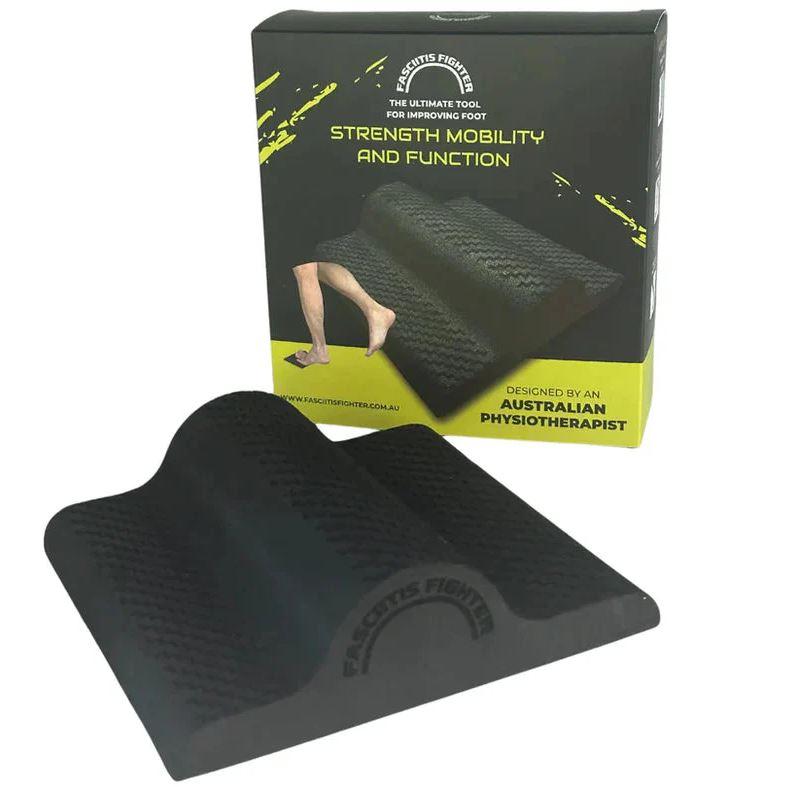
Heel pain affects millions of people worldwide, with plantar fasciitis being one of the most common culprits. This condition occurs when the plantar fascia—a thick band of tissue connecting the heel to the toes—becomes inflamed or degenerates, causing stabbing pain that can make even simple activities like walking unbearable. While traditional treatments like stretching and rest have long been prescribed, a growing body of research supports a different approach: high-load strength training. The Fasciitis Fighter, a specialized device developed by an Australian physiotherapist, offers an evidence-based solution for managing heel pain through targeted strengthening exercises.
Understanding the Fasciitis Fighter
The Fasciitis Fighter is a closed-cell foam device specifically designed to facilitate plantar fascia strengthening exercises. Created by physiotherapist Hamish Vickerman, the tool emerged from frustration with the inconsistency of traditional methods that required patients to use rolled-up towels for their exercises. The device features a unique curved design with an elevated section that positions the big toe in extension while allowing the heel to drop during exercises. This positioning places the plantar fascia under controlled tension while engaging both the intrinsic foot muscles and the calf muscles—a combination critical for building resilience in the tissue.
The device comes in two main versions: the original single-foot model and the Round 2, which is double the length and allows for bilateral exercises. Both are made from durable EVA foam that provides comfort during use while maintaining the specific shape needed for proper exercise execution. The simplicity of the design belies its effectiveness—tens of thousands of users worldwide have incorporated it into their treatment programs, including professional athletes from the NBA, NFL, and Olympic teams.
The Science Behind High-Load Strength Training
Recent research has challenged traditional approaches to plantar fasciitis treatment. While stretching has long been recommended, studies now show that high-load strength training may offer superior results. A pivotal 2014 study by Rathleff and colleagues found that patients who performed a progressive exercise protocol every other day experienced better self-reported outcomes after three months compared to those who only did plantar-specific stretching.
The principle behind this approach centers on tissue adaptation. When the plantar fascia is subjected to controlled, progressive loading, it responds by remodeling and becoming stronger. This increased resilience allows the tissue to better tolerate the demands of daily activities like walking, standing, and running. Rather than simply stretching an already irritated tissue, high-load training addresses the underlying weakness that often contributes to persistent heel pain.
How to Use the Fasciitis Fighter: Step-by-Step Instructions
Using the Fasciitis Fighter effectively requires proper positioning and technique. Begin by placing the device on a flat, stable surface. Position your foot so that your toes, particularly the big toe, rest on the elevated curved portion of the device, with the ball of your foot on the flatter surface behind it. Your heel should extend beyond the device, allowing it to drop below the level of the forefoot. This setup activates the windlass mechanism—a natural tightening of the plantar fascia that occurs when the big toe is extended.
For those just beginning treatment, it's essential to start conservatively. If single-leg heel raises cause too much pain initially, begin with double-leg raises. Place your affected foot on the Fasciitis Fighter and your other foot on the floor beside it, distributing your weight across both legs. Use a wall or stable surface for balance support. If even this proves too challenging, start with seated versions of the exercise to build initial tolerance.
The exercise itself follows a specific tempo that's crucial for effectiveness. Take three seconds to rise up onto your toes, lifting your heel as high as comfortable. Hold this top position for two seconds, maintaining balance and tension through the foot and calf. Then take three seconds to lower back down slowly and with control, allowing your heel to nearly touch the ground before beginning the next repetition. This controlled tempo ensures the tissue experiences adequate loading time while minimizing the risk of aggravation.
Progressive Exercise Protocol
The Fasciitis Fighter program follows a structured progression based on the research that demonstrated its effectiveness. Exercises should be performed every other day, not daily, to allow for adequate recovery between sessions. This frequency has proven optimal for tissue adaptation without overloading the healing fascia.
During weeks zero through two, perform three sets of twelve repetitions. At this stage, focus on mastering the technique and building initial tolerance. Many people find their pain levels begin to shift during this early phase, though significant improvements typically require longer adherence.
From weeks two through six, progress to four sets of ten repetitions. By this point, you should be developing better strength and may notice reduced morning pain—one of the hallmark symptoms of plantar fasciitis. If single-leg exercises remain too challenging, continue with double-leg variations until you can comfortably progress.
After six weeks, advance to five sets of eight repetitions. This phase emphasizes building maximum strength and load tolerance. Once this becomes manageable, begin adding resistance by holding a dumbbell in one hand or wearing a backpack filled with books or weights. This progressive loading is key to developing the resilience needed for long-term relief.
Throughout all phases, monitor your pain levels. Some discomfort during exercise is normal, but sharp, severe pain indicates you may be progressing too quickly. If exercises cause significant pain that persists beyond the session, scale back to an earlier level and progress more gradually.
Additional Exercises and Complementary Approaches
While heel raises form the core of the Fasciitis Fighter program, the device supports other beneficial exercises. The curved design naturally facilitates calf stretching with the plantar fascia under tension. After completing your strengthening sets, you can perform both straight-knee and bent-knee calf stretches while keeping your toes elevated on the device. The straight-knee position targets the gastrocnemius muscle, while the bent-knee version focuses on the soleus—both important for overall lower leg flexibility.
The Round 2 version enables balance exercises that further develop foot and ankle stability. Standing lengthwise along the device with toes splayed across the hump challenges the small stabilizing muscles of the foot and improves proprioception. These intrinsic foot muscles play a crucial role in supporting the arch and reducing strain on the plantar fascia during daily activities.
For optimal results, the Fasciitis Fighter should be part of a comprehensive treatment approach. Proper footwear with adequate arch support remains essential—many cases of plantar fasciitis improve simply by switching to more supportive shoes. Avoiding walking barefoot, especially on hard surfaces, helps reduce strain during the recovery period. Some practitioners recommend night splints to maintain gentle stretching while you sleep, though the evidence for this is less robust than for active strengthening.
Expected Timeline and Outcomes
Patience proves essential when treating heel pain with the Fasciitis Fighter. While some individuals notice improvements within a few weeks, most people see the most significant changes between six and twelve weeks of consistent use. This timeline aligns with the body's natural tissue remodeling process, which requires time to strengthen and adapt.
The benefits extend beyond pain reduction. Users consistently report improved foot function, allowing them to return to activities they'd abandoned due to heel pain. The strengthening exercises enhance overall foot biomechanics, which can prevent future episodes of plantar fasciitis. Many athletes find they can resume training and competition after completing the program, often with better foot strength than before their injury.
Long-term adherence yields the best outcomes. Even after pain resolves, continuing with maintenance exercises—perhaps once or twice weekly—helps preserve the gains achieved and reduces recurrence risk. This proactive approach addresses the underlying weakness rather than simply managing symptoms.
Important Considerations and Precautions
The Fasciitis Fighter should be used under the guidance of a qualified healthcare professional who can assess your specific situation and customize the program to your needs. While generally safe for most people, certain conditions require caution. Those with acute injuries, severe inflammation, or other foot pathologies should consult with a podiatrist, physiotherapist, or physician before beginning any exercise program.
If you have underlying medical conditions affecting your feet, such as diabetes-related neuropathy or circulatory problems, professional supervision becomes even more important. Additionally, anyone with balance issues should take extra care when performing single-leg exercises, ensuring adequate support is always within reach.
Some individuals may not respond to conservative treatment with the Fasciitis Fighter alone. If symptoms worsen or fail to improve after several months of consistent use, additional interventions may be necessary. These might include orthotics, corticosteroid injections, shock wave therapy, or in rare cases, surgery. However, research suggests that approximately ninety-five percent of plantar fasciitis cases resolve with conservative management, making aggressive interventions unnecessary for most sufferers.
The Fasciitis Fighter represents a shift toward active, evidence-based treatment for heel pain. By focusing on strengthening rather than just stretching, it addresses the root cause of many persistent plantar fasciitis cases—weakness and poor load tolerance in the plantar fascia and supporting structures. The device's simple yet effective design removes barriers to consistent exercise performance, replacing unreliable makeshift tools with a purpose-built solution.
Success with the Fasciitis Fighter requires commitment to the progressive protocol and patience with the recovery timeline. When used correctly and consistently, it offers a pathway to stronger, more resilient feet that can handle the demands of daily life without pain. For the millions suffering from heel pain, this evidence-based approach provides hope for genuine, lasting relief rather than temporary symptom management. Whether you're an elite athlete or someone who simply wants to walk without wincing, the Fasciitis Fighter offers a proven tool for reclaiming pain-free movement and getting back to the activities you love.
Post Your Ad Here
Comments