What Are the Most Effective Mobile Marketing Strategies for 2025?
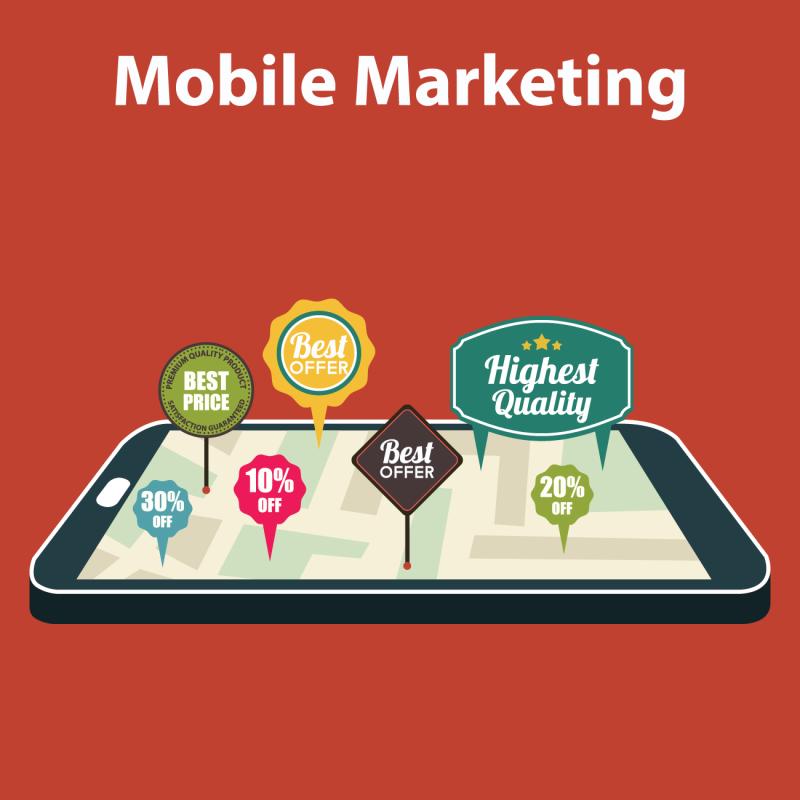
Mobile devices dominate digital interactions with smartphones accounting for over seventy percent of internet traffic globally. This mobile-first reality fundamentally reshapes marketing strategies as businesses adapt to audiences primarily accessing content through handheld screens. Mobile marketing excellence separates leaders from laggards in 2025's competitive landscape.
Why Has Mobile-First Become Marketing Standard Practice?
Consumer behavior patterns demonstrate overwhelming mobile preference for information discovery, social interaction, and commerce transactions. Eighty-seven percent of smartphone users access search engines at least daily, with many checking devices dozens of times hourly. This constant connectivity creates unprecedented opportunities for timely, contextual marketing interventions.
Google's mobile-first indexing prioritizes mobile website versions for ranking decisions, making desktop optimization insufficient. Websites failing to deliver excellent mobile experiences face significant ranking penalties regardless of desktop performance. This algorithmic preference reflects user reality where mobile searches now substantially exceed desktop queries.
According to Wikipedia's mobile marketing explanation, the discipline encompasses all marketing activities designed for delivery through mobile devices including smartphones and tablets. Success requires understanding unique mobile contexts, behaviors, and technical constraints shaping user experiences.
What Technical Optimizations Enable Mobile Success?
Responsive web design ensures websites adapt fluidly across screen sizes and orientations. Mobile layouts must prioritize content hierarchy, streamline navigation, and optimize touch interactions. Single-column designs work best for narrow screens while maintaining aesthetic appeal on larger displays.
Page speed critically affects mobile user satisfaction and search rankings. Mobile users face variable connectivity speeds making fast loading essential. Compress images aggressively, minimize code bloat, implement lazy loading, and leverage browser caching. Every millisecond matters as load delays directly correlate with abandonment rates.
Touch-friendly interface design accommodates finger navigation rather than precise mouse cursors. Buttons and links require adequate spacing preventing accidental clicks. Text must remain readable without zooming. Forms should minimize input requirements and leverage mobile keyboards appropriately. The best mobile experiences feel native rather than desktop sites shrunk to smaller screens.
Progressive Web Apps
Progressive web applications blend website flexibility with app-like functionality. These hybrid solutions work offline, send push notifications, and install to home screens while avoiding app store approval processes. PWAs provide native app benefits without development and distribution complexity.
How Does Location-Based Marketing Deliver Personalization?
Mobile devices enable precise location targeting impossible through desktop marketing. Geofencing triggers messages when users enter defined geographic areas, enabling timely promotions for nearby stores or events. Location data informs inventory availability, store hours, and relevant product suggestions based on user proximity.
Near me searches represent high-intent queries from users ready to visit physical locations immediately. Optimizing for local search through Google Business Profile, location pages, and local citations captures this valuable mobile traffic. Mobile users conducting near me searches typically convert within twenty-four hours.
Beacon technology enables micro-location marketing within physical spaces. Retail stores deploy beacons triggering personalized offers as shoppers approach specific departments or products. This hyper-targeted approach delivers relevant promotions at optimal decision moments driving incremental purchases.
What Role Do Mobile Apps Play in Marketing Strategy?
Dedicated mobile applications provide controlled brand experiences with functionality exceeding mobile websites. Apps enable offline access, push notifications, camera integration, and device feature utilization creating engagement opportunities unavailable through browsers. However, app development requires significant investment and ongoing maintenance.
Push notifications maintain brand visibility and drive re-engagement when used judiciously. Timely, relevant notifications about order status, personalized offers, and valuable updates generate positive responses. However, excessive or irrelevant notifications trigger app uninstalls and negative sentiment. Balance frequency with genuine value provision.
In-app marketing guides users toward desired actions through strategic messaging, personalized recommendations, and frictionless purchase flows. Mobile apps generate substantially higher conversion rates than mobile websites when properly optimized. However, convincing users to download apps requires demonstrating clear value propositions.
App Store Optimization
App visibility in crowded marketplaces requires systematic optimization. Keyword-rich titles and descriptions improve discoverability. Compelling screenshots and preview videos demonstrate functionality. Positive reviews and high ratings build trust encouraging downloads. Regular updates signal active development maintaining user confidence.
How Should Businesses Approach Mobile Advertising?
Mobile advertising formats leverage device capabilities for engaging experiences. Video ads capitalize on entertainment consumption patterns. Interactive ads encourage participation rather than passive viewing. Playable ads for games and apps allow sampling before download decisions. Native ads blend seamlessly with content maintaining user experience.
Social media platforms generate majority of mobile ad impressions given mobile-first usage patterns. Facebook, Instagram, TikTok, and Snapchat deliver sophisticated targeting capabilities reaching specific demographics, interests, and behaviors. These platforms optimize ad delivery algorithms for mobile viewing contexts.
Mobile search ads capture high-intent users actively seeking solutions. Click-to-call extensions enable immediate phone connections. Location extensions display proximity information. Mobile-specific ad copy addresses on-the-go contexts and emphasizes convenience factors resonating with mobile searchers.
What SMS and Messaging Strategies Drive Engagement?
SMS marketing maintains exceptional open rates exceeding ninety percent within minutes of delivery. Text messages cut through crowded notification environments reaching users directly. However, intrusive texting damages relationships making permission-based opt-in and valuable content critical.
Messaging apps including WhatsApp, Facebook Messenger, and WeChat enable conversational commerce. Chatbots handle routine inquiries, product recommendations, and order tracking. Human agents seamlessly intervene for complex situations. This blend of automation and personalization scales customer service effectively.
Rich communication services expand SMS capabilities with multimedia, read receipts, and interactive buttons. These enhanced messages bridge gaps between basic texting and app experiences. RCS adoption grows as carriers and device manufacturers embrace the standard enabling richer mobile messaging.
Permission and Privacy Considerations
Mobile marketing requires explicit user consent for communications. Transparent data practices, easy opt-out mechanisms, and respect for preferences build trust. Privacy regulations including GDPR and CCPA mandate careful handling of location data and personal information. Ethical practices sustain long-term program viability.
How Does Mobile Content Strategy Differ from Desktop?
Mobile content consumption favors brevity and scannability given smaller screens and distracted contexts. Short paragraphs, bullet points, and visual breaks improve readability. Front-load important information recognizing mobile users quickly assess relevance before deciding whether to continue reading.
Vertical video formats dominate mobile viewing with TikTok, Instagram Reels, and YouTube Shorts training audiences to expect portrait orientation. Horizontal videos require awkward device rotation or display in smaller windows. Content creators optimizing for mobile prioritize vertical aspect ratios.
Voice search optimization addresses mobile users' preference for spoken queries over typing. Conversational language, question-based content, and local optimization capture voice search traffic. Featured snippets provide concise answers voice assistants read aloud, making position zero crucial for voice visibility.
What Metrics Measure Mobile Marketing Effectiveness?
Mobile-specific analytics reveal user behavior patterns different from desktop. Session durations tend shorter on mobile devices but frequency increases. Bounce rates may appear higher despite engaged users quickly finding needed information. Context matters when interpreting mobile metrics avoiding false conclusions.
Conversion path analysis reveals multi-device journeys where mobile drives discovery while desktop completes transactions. Attribution modeling must account for mobile's role in customer journeys even when final conversions occur elsewhere. Mobile assists deserve recognition alongside direct mobile conversions.
App analytics track installation sources, in-app behaviors, retention rates, and lifetime values. Cohort analysis reveals how user engagement evolves over time identifying opportunities to improve onboarding and re-engagement. These app-specific metrics guide optimization priorities maximizing user value.
How Will Emerging Technologies Shape Mobile Marketing?
5G connectivity enables bandwidth-intensive experiences previously impractical on mobile networks. High-quality video streaming, augmented reality applications, and real-time interactions become standard capabilities. Marketers leverage enhanced connectivity for richer content experiences.
Augmented reality transforms product visualization allowing virtual try-ons, furniture placement previews, and interactive product demonstrations. These immersive experiences reduce purchase uncertainty while entertaining users. AR adoption accelerates as device capabilities improve and consumer familiarity grows.
Wearable devices extend mobile marketing to new form factors. Smartwatches deliver notifications, health tracking, and payment capabilities. Marketing strategies adapt to smaller screens, glanceable content, and contextual triggers appropriate for wearable interactions.
Building Comprehensive Mobile Marketing Programs
Mobile marketing excellence requires holistic strategies addressing technical optimization, personalized experiences, and platform-specific tactics. The businesses achieving exceptional mobile results understand that mobile represents primary digital touchpoints requiring dedicated strategies rather than desktop afterthoughts.
Success demands continuous testing and optimization as device capabilities, user behaviors, and platform algorithms evolve rapidly. Mobile-first thinking must permeate all marketing activities from content creation through campaign execution and performance measurement.
The future of digital marketing is undeniably mobile. Organizations investing in mobile optimization, personalization capabilities, and innovative mobile experiences will continue dominating customer attention and driving business growth. Mobile marketing mastery separates industry leaders from competitors struggling to adapt to mobile-first reality.

Post Your Ad Here
Comments