Therapeutic Exercises for Bunion Relief
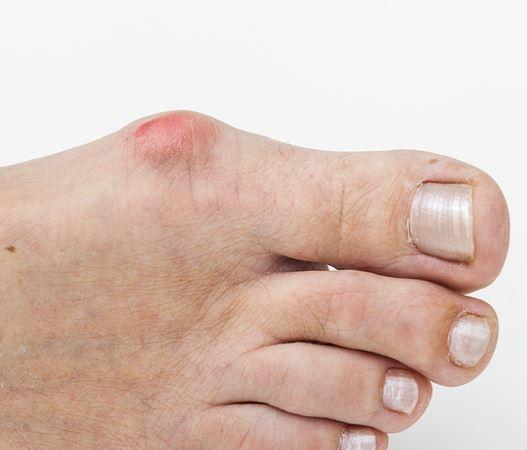
Bunions, medically known as hallux valgus, are a common foot deformity that affects millions of people worldwide. Characterized by a bony bump at the base of the big toe, bunions develop when the big toe pushes against the adjacent toe, forcing the joint to enlarge and protrude. While severe cases may require surgical intervention, a range of exercises can help alleviate discomfort, slow progression, and improve overall foot function for those dealing with this frustrating condition.
The Importance of Exercise for Bunion Management
Before diving into specific exercises, it's essential to understand why physical activity matters for bunion care. Exercises targeting the feet and toes can strengthen the muscles that support proper toe alignment, increase flexibility, improve range of motion, and reduce pain associated with bunions. While exercise cannot reverse a bunion that has already formed, it can prevent the condition from worsening and may delay or eliminate the need for more invasive treatments.
Toe Stretching and Flexibility Exercises
One of the most fundamental approaches to bunion relief involves stretching exercises that maintain and improve toe flexibility. The toe spread exercise is particularly effective: simply sit in a comfortable position and use your fingers to gently pull your big toe into proper alignment, away from the other toes. Hold this position for five to ten seconds, then release. Repeat this movement ten to fifteen times per session, aiming for two to three sessions daily.
Another valuable stretch involves placing your fingers between your toes, much like toe separators. Gently spread your toes apart and hold for several seconds before releasing. This exercise helps counteract the inward deviation of the big toe and stretches the soft tissues that may have tightened due to the bunion.
Strengthening Exercises
Building strength in the intrinsic muscles of the foot is crucial for bunion management. The toe curl exercise effectively targets these muscles. Place a small towel flat on the floor and use only your toes to scrunch the towel toward you. This movement engages the flexor muscles and helps maintain the foot's natural arch, which can reduce stress on the bunion joint.
Resistance band exercises offer another excellent strengthening option. Loop a resistance band around your big toes while sitting with your legs extended. Gently pull your feet apart, using the resistance to strengthen the muscles that pull the big toe away from the other toes. Hold for five seconds and repeat ten times. This exercise directly addresses the muscular weakness that can contribute to bunion progression.
The marble pickup exercise combines both dexterity and strength training. Scatter marbles or similar small objects on the floor and use your toes to pick them up and place them in a container. This activity engages multiple muscle groups in the foot and improves coordination while building strength in the toe flexors.
Range of Motion Exercises
Maintaining mobility in the big toe joint is essential for reducing stiffness and discomfort. Toe circles are a simple yet effective exercise for this purpose. While seated, lift your foot slightly off the ground and use your big toe to trace circles in the air, both clockwise and counterclockwise. Perform ten circles in each direction, focusing on moving through the full available range of motion.
The toe point and flex exercise also enhances joint mobility. From a seated position, extend your leg and point your toes as far forward as possible, then flex them back toward your shin. Pay particular attention to the movement of the big toe, ensuring it moves through its full range. Repeat this motion fifteen to twenty times per foot.
Weight-Bearing Exercises
Certain standing exercises can help improve balance and foot mechanics while addressing bunion-related issues. Toe raises strengthen the muscles on the top of the foot and improve overall foot stability. Stand with your feet hip-width apart and slowly lift all your toes off the ground while keeping your heels planted. Hold for a few seconds, then lower. Repeat ten to fifteen times.
Balance exercises on one foot can also prove beneficial. Stand on the affected foot for thirty seconds to one minute, using a wall or chair for support if needed. This exercise engages the stabilizing muscles throughout the foot and ankle, promoting better alignment and reducing compensatory movements that can worsen bunions.
Manual Therapy and Mobilization
While not strictly an exercise, self-massage and joint mobilization techniques complement an exercise program effectively. Gently massage the area around the bunion using circular motions to improve circulation and reduce tension. You can also carefully mobilize the big toe joint by holding the toe and gently moving it in all directions, which helps maintain joint health and reduces stiffness.
Important Considerations
When implementing these bunion exercises, consistency is more important than intensity. Start gradually, especially if you experience pain, and build up slowly over time. Exercises should never cause sharp or severe pain; mild discomfort is normal, but significant pain indicates you should modify or stop the exercise. Ideally, perform these exercises daily, with many taking only five to ten minutes to complete.
Combining exercises with proper footwear is essential for optimal results. Shoes with a wide toe box, good arch support, and minimal heel height complement your exercise routine by reducing stress on the bunion throughout the day. Avoiding high heels and narrow shoes prevents further irritation and allows your exercises to be more effective.
While bunions can be a persistent and uncomfortable condition, a dedicated bunion exercise program offers genuine benefits for many sufferers. Through consistent practice of stretching, strengthening, and mobility exercises, individuals with bunions can experience reduced pain, improved function, and potentially slowed progression of the deformity. However, it's important to consult with a healthcare provider or podiatrist before beginning any exercise program, particularly if you have severe bunions, diabetes, or other medical conditions affecting your feet. With patience, consistency, and proper guidance, these exercises can become valuable tools in managing bunions and maintaining foot health for years to come.
Post Your Ad Here
Comments