How Can Businesses Build Effective Video Marketing Strategies in 2025
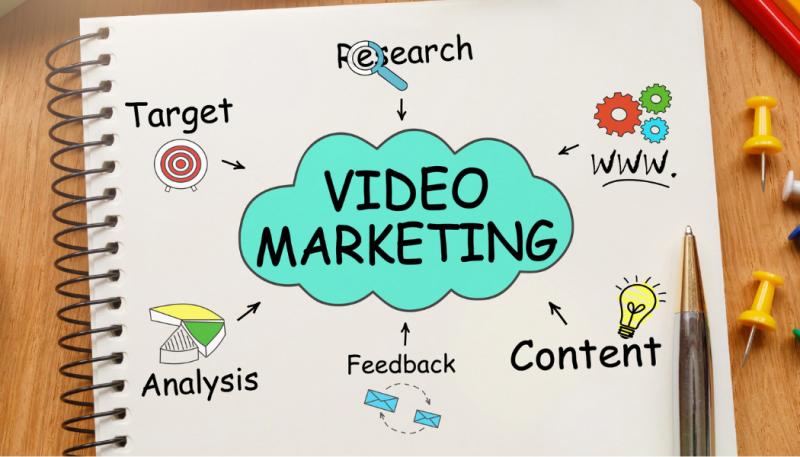
Video content dominates digital consumption patterns, accounting for 82 percent of all consumer internet traffic by 2025. The explosive growth of TikTok, Instagram Reels, YouTube Shorts, and other platforms demonstrates insatiable audience appetite for visual storytelling. Businesses that master video marketing gain substantial competitive advantages in capturing attention, building engagement, and driving conversions.
Why Has Video Become Essential for Modern Marketing?
Research demonstrates viewers retain 95 percent of messages delivered through video compared to just 10 percent when reading text. This dramatic retention advantage makes video essential for communicating complex concepts, demonstrating products, and creating emotional connections. The format proves versatile enough to serve awareness, consideration, and decision stages within customer journeys.
Consumer preferences overwhelmingly favor video content. Eighty-five percent of viewers prefer videos under fifteen seconds, driving short-form content explosion. However, long-form video maintains importance for detailed product demonstrations, educational tutorials, and thought leadership. The most effective strategies leverage both formats strategically.
Platform algorithms consistently reward video content with higher reach and engagement than static posts. YouTube functions as the second-largest search engine after Google, processing billions of daily queries. TikTok's discovery algorithm enables even new accounts to achieve viral reach. LinkedIn's recent video emphasis creates opportunities for professional content creators.
What Types of Video Content Drive the Strongest Results?
Short-form video reigns supreme for social media engagement. TikTok, Instagram Reels, and YouTube Shorts formats capture attention quickly with entertainment or information delivered in under sixty seconds. These bite-sized pieces perform exceptionally well for brand awareness, product teasers, and behind-the-scenes glimpses that humanize organizations.
Educational content builds authority while providing genuine value. Tutorial videos, how-to guides, and expert explanations position brands as trusted resources. This approach particularly benefits B2B companies demonstrating expertise through knowledge sharing. Educational videos drive consideration-stage engagement as prospects research solutions.
Product demonstration videos directly influence purchase decisions. Showing products in action, highlighting features, and addressing common questions reduces purchase hesitation. Customer testimonial videos leverage social proof, providing authentic third-party validation more persuasive than brand claims.
Live Streaming and Interactive Formats
Live video creates unique engagement through real-time interaction. Product launches, Q&A sessions, behind-the-scenes tours, and event coverage foster community feeling. Livestreams demonstrate authenticity through unscripted content while enabling immediate audience response and participation.
How Should Businesses Approach Video Production?
Professional video production no longer requires expensive equipment or specialized skills. Smartphone cameras deliver broadcast-quality footage when properly utilized. Affordable editing software and online platforms democratize production, enabling businesses of any size to create compelling video content.
However, technical quality matters less than content value and authentic messaging. Audiences forgive imperfect production when videos provide genuine utility or entertainment. Overproduced, sterile content often underperforms raw, authentic videos demonstrating real personality and expertise.
Consistency matters more than perfection. Regular publishing schedules build audiences and algorithm favor. Start with simple formats requiring minimal editing, then gradually expand production sophistication as comfort and resources grow. The best video marketing strategies balance quality with sustainable production cadences.
Optimizing for Platform Requirements
Each platform maintains distinct technical specifications and audience expectations. Vertical format dominates mobile-first platforms like TikTok and Instagram. YouTube supports longer horizontal videos. LinkedIn audiences expect professional polish. Adapt content specifically for each platform rather than identical cross-posting.
What Role Does Storytelling Play in Video Effectiveness?
Compelling narratives transform ordinary product videos into memorable brand experiences. Story arcs with clear beginnings, conflicts, and resolutions engage emotions and maintain attention. According to Wikipedia's marketing overview, effective storytelling creates connections transcending transactional relationships.
Customer success stories provide powerful storytelling vehicles. Showcase real people solving real problems with your solutions. Include specific details, quantifiable results, and authentic emotions. These narratives resonate because audiences recognize themselves in customer experiences.
Brand story videos communicate missions, values, and cultures beyond product features. Origin stories, founder interviews, and company culture glimpses build emotional connections with audiences. These foundational pieces establish identity and differentiation in crowded markets.
How Can Businesses Maximize Video Distribution?
Creating excellent videos represents only half the challenge; strategic distribution determines whether target audiences discover them. Cross-platform distribution extends reach, but each platform requires format optimization and platform-specific hooks.
YouTube optimization functions similarly to traditional SEO. Keyword-rich titles, detailed descriptions, relevant tags, and custom thumbnails improve discoverability. Closed captions aid accessibility while providing searchable text. Playlists organize content while increasing watch time.
Social media algorithms favor native video uploads over external links. Upload directly to each platform rather than sharing YouTube links elsewhere. Platform-specific editing optimizes each version for algorithm preferences and audience expectations.
Paid Promotion Strategies
Strategic paid amplification accelerates visibility for high-value video content. YouTube ads, Instagram promotions, and TikTok advertising provide targeting capabilities reaching specific demographics, interests, and behaviors. Focus budgets on videos designed for conversion rather than every piece of content.
What Metrics Matter for Video Performance?
View counts provide limited insight without deeper engagement analysis. Watch time and completion rates reveal whether content maintains attention. High drop-off rates signal problems with hooks, pacing, or relevance requiring content adjustments.
Engagement metrics including likes, comments, shares, and saves indicate audience resonance. Social sharing particularly signals content value as viewers risk personal reputation by associating with shared material. Comments provide qualitative feedback revealing audience perspectives and questions.
Conversion tracking connects video views to business outcomes. Use tracking parameters, landing page analytics, and attribution modeling to understand how video content influences customer journeys. Focus resources on content types and topics driving actual business results rather than vanity metrics.
How Should Businesses Integrate Video Across Marketing Channels?
Video enhances effectiveness across all marketing channels when integrated strategically. Email campaigns with embedded video increase click-through rates substantially. Landing pages featuring video convert better than text-only alternatives. Sales presentations incorporating video demonstrate professionalism and preparation.
Website integration requires technical optimization for fast loading without compromising quality. Host videos on platforms designed for streaming, then embed on sites. Avoid autoplay that irritates visitors. Provide clear value propositions encouraging play decisions.
Content repurposing multiplies video investment returns. Extract audio for podcast episodes. Transcribe for blog posts. Create quote graphics from key moments. Segment longer videos into social clips. This systematic repurposing generates multiple assets from single production efforts.
Building Sustainable Video Marketing Programs
Successful video marketing requires consistent execution over time rather than occasional viral attempts. Establish sustainable production processes, realistic publishing schedules, and systematic distribution workflows. Build video capabilities gradually, starting simple then expanding as experience and resources grow.
Investment in equipment, software, and skills pays dividends through improved production efficiency and quality. However, avoid perfectionism paralysis preventing publication. Published imperfect videos deliver more value than perfect videos never completed.
The brands winning with video marketing in 2025 understand that success comes from strategic planning, authentic storytelling, platform optimization, and consistent execution. Video dominance will only intensify, making current investments in video capabilities essential for future competitive positioning.
Post Your Ad Here
Comments