How to Use Electric Callus Removers to Treat Calluses on the Foot
Calluses are thickened areas of skin that develop as a protective response to repeated friction or pressure. While they serve a defensive purpose, calluses on the feet can become uncomfortable, unsightly, and even painful if left untreated. Electric callus removers have emerged as an effective at-home solution for managing these stubborn patches of hardened skin. These devices offer a convenient alternative to manual filing methods and professional pedicures, allowing users to maintain smooth, healthy feet with minimal effort. Understanding how to properly use an electric callus remover is essential for achieving optimal results while ensuring safety and preventing skin damage.
Understanding Electric Callus Removers
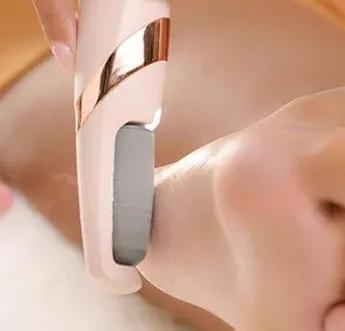
Electric callus removers are handheld devices equipped with a rotating roller head covered in micro-abrasive material. The roller spins at high speeds to gently buff away dead, hardened skin without the manual effort required by traditional pumice stones or foot files. Most models are battery-operated or rechargeable, making them portable and easy to use. The roller heads typically feature varying levels of coarseness, with some devices offering interchangeable heads for different levels of callus severity. The key advantage of these electric tools is their efficiency in removing thick calluses quickly while providing more consistent results than manual methods.
Preparation is Essential
Before using an electric callus remover, proper preparation of your feet will significantly improve the effectiveness of the treatment. Start by soaking your feet in warm water for ten to fifteen minutes. This softens the callused skin, making it easier for the device to remove the dead tissue without excessive pressure. You can enhance the soaking process by adding Epsom salt, which helps further soften the skin and provides relaxation benefits. Some people prefer adding a few drops of essential oils like tea tree or lavender for their antimicrobial and soothing properties.
After soaking, thoroughly dry your feet with a clean towel. This step is crucial because electric callus removers are designed to be used on completely dry skin. Using the device on wet or damp feet can be ineffective and may even damage the roller head or cause uneven removal. Pay special attention to drying between the toes and around the callused areas.
The Removal Process
Once your feet are dry, you're ready to begin the callus removal process. Turn on the electric callus remover and familiarize yourself with its speed settings if it has multiple options. For beginners or those with sensitive skin, start with the lowest speed setting. Hold the device at a slight angle against the callused area, applying gentle pressure. Let the rotating roller do the work rather than pressing too hard, which could cause skin irritation or remove too much skin.
Move the device in smooth, sweeping motions across the callus, working in one direction rather than back and forth. This technique provides more even results and reduces the risk of creating rough patches. Treat each callused area for approximately thirty to sixty seconds, though this may vary depending on the thickness of the callus. Periodically stop to wipe away the buffed skin particles and assess your progress. You should notice the rough, hardened skin gradually smoothing out.
It's important to work in short sessions rather than attempting to remove an entire callus in one treatment, especially for thick calluses that have developed over time. Removing too much skin at once can leave the area tender or even cause bleeding. Multiple sessions spread over several days or weeks will safely reduce even stubborn calluses while allowing the skin to adjust.
Safety Considerations
Safety should always be your top priority when using an electric callus remover. Never use these devices on broken skin, wounds, infections, or areas with cuts or abrasions. If you have diabetes, poor circulation, or neuropathy, consult with a healthcare provider before using an electric callus remover, as these conditions can affect sensation and healing in the feet.
Avoid using the device on the same area for extended periods, as this can cause irritation, tenderness, or even injury to healthy skin beneath the callus. If you experience any pain, discomfort, or notice bleeding, stop immediately. The goal is to smooth the callused skin, not to remove it entirely down to soft tissue, which would leave your feet vulnerable to infection and painful sensitivity.
Post-Treatment Care
After using the electric callus remover, proper aftercare will help maintain smooth feet and prevent calluses from returning. Rinse your feet with warm water to remove any remaining skin particles, then pat them dry. Apply a rich moisturizer or foot cream containing ingredients like urea, shea butter, or coconut oil to hydrate the treated areas. This is particularly important because the newly revealed skin may be more susceptible to dryness.
For enhanced results, apply moisturizer generously and wear cotton socks overnight. This locks in moisture and promotes healing. Regular moisturization between treatments helps keep skin soft and reduces the likelihood of new calluses forming.
Maintenance and Device Care
To ensure your electric callus remover remains effective and hygienic, clean the roller head after each use. Most devices come with a small brush for removing accumulated skin particles. Some roller heads are removable and can be rinsed under water, though you should always check the manufacturer's instructions. Replace roller heads according to the manufacturer's recommendations or when you notice they've become less effective, as worn abrasive surfaces won't provide optimal results.
Electric callus removers offer an efficient, convenient solution for treating foot calluses at home. By following proper preparation techniques, using the device correctly with appropriate safety precautions, and maintaining consistent aftercare, you can achieve smooth, comfortable feet. Remember that patience is key—gradual removal through multiple sessions is safer and more effective than aggressive treatment. With regular use and proper foot care habits, electric callus removers can help you maintain healthy, callus-free feet year-round.

Post Your Ad Here
Comments