The Myth of Corn Roots - Understanding a Persistent Medical Misconception
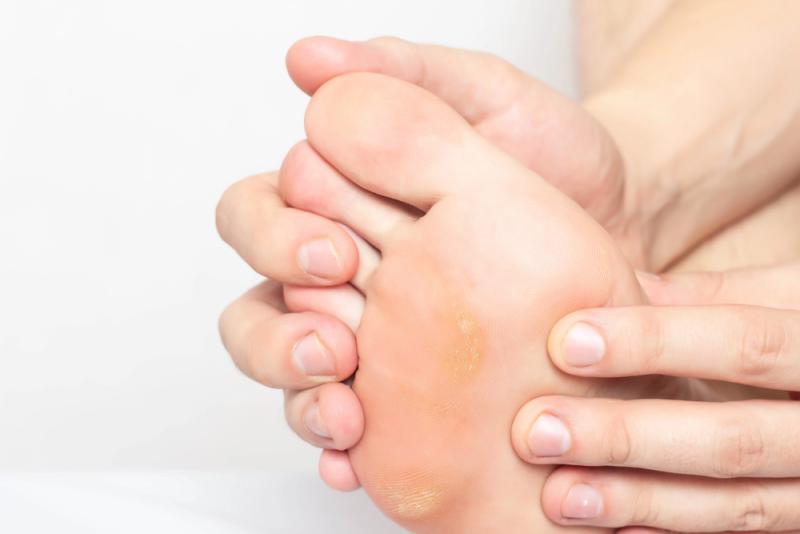
The belief that corns on the feet have roots is one of the most enduring misconceptions in common foot care knowledge. Despite being medically inaccurate, this myth persists across generations, cultures, and communities, shaping how people understand and attempt to treat these painful skin conditions. Understanding why this misconception exists requires examining the nature of corns themselves, the psychological patterns that reinforce medical myths, and the cultural transmission of health beliefs.
Corns are areas of thickened, hardened skin that develop in response to repeated friction or pressure. They typically form on the tops and sides of toes, between toes, or on the soles of feet. Unlike warts, which are caused by viruses and do have actual root-like structures, corns are simply accumulated layers of dead skin cells. The medical term for this thickening is hyperkeratosis, and it represents the skin's protective response to mechanical stress. When someone removes a corn, whether through professional treatment or home remedies, they are essentially removing layers of compacted dead skin, not extracting any living structure with roots.
The misconception about roots likely stems from several interconnected factors. First, the visual appearance of corns contributes significantly to this misunderstanding. When a corn is trimmed or removed, it often reveals a central core—a cone-shaped plug of hard skin that appears to extend deeper into the tissue. This core can look remarkably like a root, especially to someone unfamiliar with skin anatomy. The core is actually the apex of the corn, where pressure has been most concentrated, causing the keratinized tissue to form a wedge shape that presses into the deeper layers of skin. This creates genuine pain, reinforcing the impression that something substantial and biologically active exists beneath the surface.
The recurrence pattern of corns powerfully reinforces the root myth. People remove their corns, experience temporary relief, and then watch them return weeks or months later, often in the exact same location. This cyclical pattern mirrors how weeds return from their roots in a garden, creating a compelling analogy that feels intuitively correct. In reality, corns return not because roots were left behind, but because the underlying cause—ill-fitting shoes, abnormal foot mechanics, or structural foot problems—continues to create the same friction and pressure that caused the original corn. The corn reforms through the same biological process, not through regrowth from a surviving root structure.
Human psychology plays a crucial role in perpetuating this myth. People have a natural tendency to seek simple, tangible explanations for medical problems, especially when those explanations align with familiar concepts from everyday life. The root metaphor provides exactly this kind of accessible framework. It transforms an abstract dermatological process into something concrete and understandable, even if inaccurate. This cognitive shortcut helps people make sense of an otherwise confusing phenomenon, which is why incorrect medical beliefs often prove remarkably resistant to correction.
The transmission of medical knowledge within families and communities further entrenches the misconception. Foot care advice typically passes informally from parents to children, between friends, or through community wisdom rather than through formal medical education. Once the root explanation becomes established in these social networks, it perpetuates itself through repetition and shared experience. When someone's grandmother insists that corns have roots because her corn kept coming back despite her attempts to "dig it out," that lived experience carries tremendous weight, often more than abstract anatomical facts.
Commercial interests have occasionally exploited and reinforced this misconception. Marketing for corn removal products sometimes uses language that implicitly or explicitly references roots, suggesting their product can remove the corn "completely" or "from the root," even though such claims are anatomically meaningless. These marketing messages, designed to promise thorough treatment, inadvertently validate the false belief that roots exist and must be extracted for permanent relief.
The medical community itself bears some responsibility for the persistence of this myth. Doctors and podiatrists sometimes fail to explicitly address and correct the misconception during patient consultations, either because they assume patients understand the true nature of corns or because they focus on treatment rather than education. Without clear, direct communication that corns have no roots and recurrence relates to ongoing mechanical factors, patients leave medical appointments with their preexisting beliefs intact or even strengthened.
Cultural attitudes toward medical authority and self-care also influence belief in corn roots. In an era where people increasingly research health conditions independently, mixing reliable medical information with anecdotal advice and commercial content, distinguishing fact from fiction becomes challenging. The root myth survives partly because it exists in this complex information ecosystem, where it competes with accurate information on equal footing rather than being definitively debunked.
The persistence of this myth matters beyond mere academic interest in medical accuracy. Believing corns have roots can lead to harmful self-treatment practices. People may attempt to dig deeper into their skin, trying to extract imaginary roots, potentially causing injury, infection, or scarring. This aggressive approach contrasts with appropriate corn treatment, which focuses on reducing pressure, using protective padding, wearing properly fitted shoes, and having corns professionally trimmed when necessary.
Understanding that corns lack roots fundamentally changes the treatment approach from attempted extraction to pressure management. The solution lies not in removing roots that don't exist but in addressing the mechanical forces causing the corn to form. This might involve changing footwear, using orthotic devices, modifying walking patterns, or in some cases, considering surgical correction of underlying bone deformities.
The corn root myth exemplifies how medical misconceptions develop and persist through a combination of visual misinterpretation, recurrence patterns, psychological biases, social transmission, and inadequate correction. Addressing such myths requires more than simply stating facts; it demands understanding the human needs these explanations serve and providing better frameworks for understanding our bodies. Only through patient education that addresses both the science and the psychology can we hope to replace enduring myths with accurate knowledge that leads to better health outcomes.
Post Your Ad Here
Comments