Do Bunion Correctors Work?
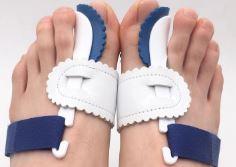
Do Bunion Correctors Work? A Critical Examination
Bunions, medically known as hallux valgus, affect millions of people worldwide, causing the big toe to angle toward the other toes while a bony bump forms at the base of the toe joint. This common foot deformity can lead to significant pain, difficulty walking, and challenges finding comfortable footwear. Given the prevalence of this condition and the desire to avoid surgery, it's unsurprising that bunion correctors have flooded the market, promising relief and correction. But do these devices actually work? The answer is more nuanced than manufacturers might suggest.
Bunion correctors come in various forms, including toe spacers, splints, sleeves, and braces designed to realign the big toe to its proper position. Many are worn at night, though some designs claim to be suitable for daytime use under shoes. The appeal is obvious: a non-invasive, affordable solution that promises to reverse or prevent bunion progression without the need for surgical intervention. However, understanding what these devices can and cannot do requires examining both the underlying mechanics of bunions and the scientific evidence surrounding corrective devices.
The formation of bunions is a complex process involving multiple factors. Genetics plays a significant role, as bunions tend to run in families and are associated with inherited foot structures that promote their development. Ill-fitting footwear, particularly narrow-toed shoes and high heels, can exacerbate the condition by forcing the toes into unnatural positions over extended periods. Certain medical conditions, including arthritis and neuromuscular disorders, can also contribute to bunion formation. Understanding these causes helps clarify what bunion correctors can realistically achieve.
The fundamental issue with bunion correctors is that bunions involve structural bone changes, not just soft tissue misalignment. When a bunion develops, the metatarsal bone of the big toe begins to shift outward while the toe itself angles inward. Over time, the joint becomes progressively more deformed, and the surrounding soft tissues adapt to this new position. Ligaments may stretch, tendons may shift, and the joint capsule itself undergoes changes. These structural alterations cannot simply be reversed by external pressure from a splint or brace, particularly when the device is only worn for a few hours each day.
Research on bunion correctors presents a sobering picture. Most scientific studies have found little to no evidence that these devices can actually correct an existing bunion or reverse bone deformity. The toe may return to a straighter position while the device is worn, but this is merely temporary positioning rather than true correction. Once the device is removed, the toe typically returns to its bunioned position because the underlying structural changes remain. The bone deviation and joint deformity persist regardless of how consistently the corrector is used.
However, this doesn't mean bunion correctors are entirely without value. While they may not correct the bunion itself, these devices can provide symptomatic relief for some people. By temporarily realigning the toe, bunion correctors may reduce pressure on the bunion bump, potentially decreasing pain and inflammation. Some users report that wearing these devices, particularly at night, helps alleviate morning stiffness and discomfort. For individuals with mild bunions, regular use of toe spacers or splints might help slow progression by counteracting the forces that push the toe out of alignment during the day, though evidence for this preventive effect remains limited.
The effectiveness of bunion correctors may also depend on the severity and stage of the bunion. In very early stages, when soft tissue changes predominate over bone deformity, consistent use of corrective devices might provide more benefit. However, once significant bone deviation has occurred, the potential for meaningful correction diminishes substantially. Additionally, bunion correctors are generally more effective as part of a comprehensive approach that includes proper footwear, exercises to strengthen foot muscles, and possibly anti-inflammatory measures.
It's crucial to address the marketing claims surrounding many bunion corrector products. Some manufacturers make bold promises about reversing bunions or eliminating the need for surgery, claims that far exceed the scientific evidence. These exaggerated assertions can create unrealistic expectations and delay appropriate medical treatment. While bunion correctors are generally safe and unlikely to cause harm when used properly, relying on them as a sole treatment for a progressive bunion can allow the condition to worsen to the point where more invasive interventions become necessary.
For individuals experiencing bunion-related pain, the most evidence-based non-surgical approaches include wearing properly fitted shoes with adequate toe room, using padding or cushioning to protect the bunion from pressure, taking anti-inflammatory medications when appropriate, and performing foot exercises to maintain flexibility and strength. Physical therapy can also be beneficial. Bunion correctors may complement these strategies but should not replace them.
Ultimately, the only proven method to truly correct a bunion is surgery. Various surgical procedures can realign the bones, remove excess bone growth, and repair the soft tissues to restore proper foot mechanics. Surgery is typically reserved for cases where conservative measures have failed and pain or functional limitations significantly impact quality of life.
Bunion correctors do not work as advertised if the expectation is permanent correction of bone deformity. They cannot reverse structural changes or eliminate an existing bunion. However, they may provide temporary symptom relief, potentially slow progression in early-stage bunions, and serve as a useful component of conservative management. Anyone struggling with bunions should maintain realistic expectations about what these devices can achieve and consult with a podiatrist or orthopedic specialist to develop an appropriate treatment plan based on the severity of their condition and individual circumstances. While bunion correctors have a place in managing this common foot problem, they are best understood as a palliative measure rather than a cure.

Post Your Ad Here
Comments