How Is Influencer Marketing Changing in 2025
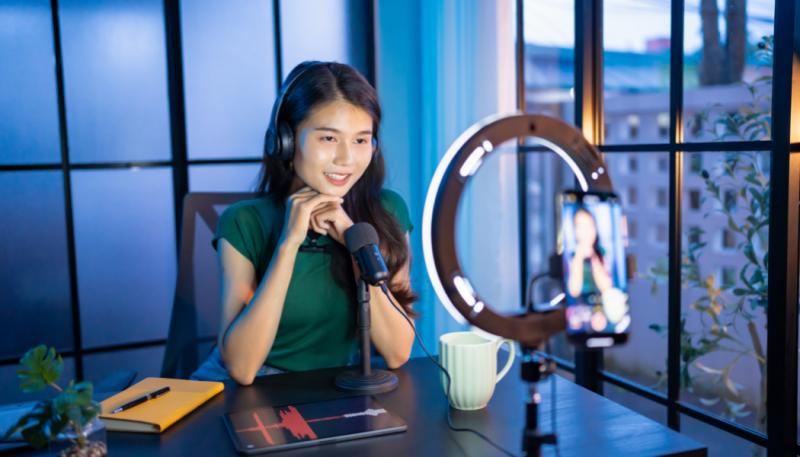
Influencer marketing stands at a transformative crossroads entering 2025, driven by technological innovation, shifting platform dynamics, and evolving consumer expectations. The industry will surpass 33 billion dollars globally this year, reflecting its transition from experimental tactic to essential business driver. Understanding the forces reshaping influencer partnerships helps brands navigate this complex landscape and maximize returns from creator collaborations.
Why Has Influencer Marketing Become Essential for Brands?
Consumer purchasing behavior demonstrates the undeniable power of influencer recommendations. Forty-nine percent of consumers make purchases at least monthly based on influencer posts, while eighty-six percent make at least one influencer-inspired purchase annually. These figures represent more than casual browsing; they reflect genuine trust relationships between creators and audiences that traditional advertising struggles to replicate.
The effectiveness stems from authentic connections rather than polished promotional content. Consumers increasingly skeptical of conventional advertising respond positively to recommendations from voices they follow and trust. Influencers cultivate these relationships through consistent engagement, transparent communication, and selective brand partnerships that align with their established values and audience expectations.
Modern influencer marketing extends beyond simple product placement to encompass strategic brand partnerships that drive measurable business outcomes. Seventy-five percent of marketers now allocate dedicated budgets specifically for creator collaborations, recognizing their unique ability to reach targeted demographics, generate quality content, and influence purchase decisions throughout customer journeys.
What Role Do Micro-Influencers Play in Modern Campaigns?
The dominance of celebrity influencers and mega-creators gives way to appreciation for micro-influencers with smaller but highly engaged audiences. These creators, typically maintaining followings between 10,000 and 100,000, deliver superior engagement rates and conversion performance compared to accounts with millions of followers. Their power lies in authentic community relationships rather than reach alone.
Micro-influencers maintain closer connections with followers through regular interaction, personal responses to comments, and content that reflects genuine enthusiasm rather than obvious sponsorship obligations. Their recommendations carry weight precisely because audiences perceive them as authentic peers rather than distant celebrities promoting products for paydays. This perceived authenticity translates directly into higher conversion rates.
Cost efficiency further enhances micro-influencer appeal. Average influencer marketing cost per thousand impressions dropped fifty-three percent year-over-year, making creator partnerships increasingly accessible for brands across budget ranges. Eighty-three percent of creators remain willing to collaborate for product compensation alone when they genuinely appreciate brands or products, particularly beneficial for emerging companies building initial market presence.
Nano-Influencers and Hyper-Local Targeting
Nano-influencers with followings under 10,000 represent the next frontier in authentic marketing. These highly localized creators foster intimate community connections that enable targeted campaigns for specific geographic markets or niche interests. Their recommendations function similarly to trusted friend advice, generating disproportionate impact relative to audience size.
How Are Performance-Based Partnerships Transforming Compensation Models?
Flat-fee influencer compensation gives way to performance-driven hybrid models that align creator incentives with business objectives. This fundamental shift reflects broader marketing accountability demands as teams face increasing pressure to demonstrate return on investment for every budget dollar. Brands increasingly structure deals combining base payments with commission structures tied directly to conversions generated.
Performance-based arrangements transform influencers from content producers into active sales channels with direct stakes in campaign success. This model encourages creators to develop more compelling calls to action, optimize content for conversion, and actively promote products beyond simple posts. The approach benefits both parties when properly structured, rewarding successful campaigns while protecting brands from underperforming partnerships.
Affiliate marketing emerges as a particularly effective implementation of performance-based collaboration. Creators on major platforms drove seventy-one percent more affiliate revenue year-over-year, demonstrating the model's viability. Affiliate structures provide transparency, trackable attribution, and scalable frameworks that work across creator tiers from nano-influencers to major content producers.
Branded Storefronts and Creator Commerce
Branded storefronts represent evolution beyond simple affiliate links to comprehensive creator-curated shopping experiences. These customized digital pages showcase selected product collections, combining the trust creators have built with streamlined purchasing pathways. The format generates steady content streams that feel organic while driving measurable conversions.
What Platforms Are Gaining Influencer Marketing Momentum?
LinkedIn emerges as an unexpected influencer marketing powerhouse for 2025. The professional networking platform transitions beyond its traditional role to become fertile ground for thought leaders, industry experts, and business-focused creators. LinkedIn's algorithm now prioritizes short-form video content, enabling creators to rapidly grow followings while reaching decision-makers directly.
The platform proves particularly valuable for business-to-business marketing, where influence operates differently than consumer markets. B2B influencers establish credibility through expertise demonstration rather than lifestyle aspirational content. Their technical knowledge, industry insights, and practical advice resonate with professional audiences seeking actionable information rather than entertainment.
TikTok maintains dominant positions despite ongoing regulatory uncertainties. The platform's high engagement rates, content volume, and sophisticated algorithm for content discovery continue attracting both creators and brands. Seventy-three percent of Generation Z users engage with TikTok daily, making it essential for reaching younger demographics who increasingly influence household purchasing decisions.
Platform Diversification and Multi-Channel Strategies
Creator dependence on single platforms decreases as successful influencers diversify presence across multiple channels. This strategic expansion provides revenue stability while accessing different audience segments. YouTube Shorts, podcasting, Substack newsletters, and emerging platforms all experience consistent year-over-year growth as creators build multifaceted digital presences.
How Is Artificial Intelligence Impacting Influencer Marketing?
Artificial intelligence streamlines influencer discovery, vetting, and campaign management processes that previously consumed substantial time and resources. Machine learning algorithms analyze creator audiences, engagement patterns, content quality, and brand alignment to recommend optimal partnership opportunities. These tools dramatically reduce research burdens while improving match quality between brands and creators.
Predictive analytics powered by AI forecast campaign performance based on historical data, creator characteristics, and content types. This capability enables more confident budget allocation and realistic goal setting before campaigns launch. Real-time performance monitoring allows rapid optimization adjustments to maximize results from active collaborations.
However, AI limitations remain significant particularly regarding content creation and authenticity. While algorithms excel at analytical tasks, human creativity and genuine personality connection prove irreplaceable for effective influencer content. According to Wikipedia's comprehensive overview, influencer marketing fundamentally relies on authentic relationships between creators and audiences that artificial systems cannot replicate convincingly.
Virtual Influencers and CGI Creators
Computer-generated influencers represent controversial innovation within the industry. These digital personalities offer complete brand control and consistency impossible with human creators. However, eighty-six percent of marketing leaders believe AI-generated figures could replace human influencers, yet audience reception remains mixed as consumers value authentic human experiences over perfectly curated digital entities.
What Content Formats Drive Engagement in 2025?
Short-form video continues dominating engagement metrics across platforms. The format's accessibility, entertainment value, and algorithm favorability make it essential for creator strategies. However, long-form content experiences resurgence as audiences seek depth and substance beyond quick clips. YouTube particularly benefits from this trend as older demographics choose the platform over traditional television.
Livestreaming and interactive content formats enable real-time audience engagement that recorded content cannot match. These experiences foster community feeling and allow creators to demonstrate authenticity through unscripted interactions. Brands incorporating livestreams into influencer partnerships access unique opportunities for product demonstrations, question-answer sessions, and collaborative events.
Podcast partnerships represent growing opportunities as seemingly every influencer launches audio content. With over six million podcasts worldwide, the medium offers intimate long-form conversations that build deep connections with dedicated listeners. Podcast audiences typically demonstrate high engagement and loyalty, making them valuable targets for appropriate brand messages.
Educational and Value-Driven Content
Entertainment alone no longer suffices as audiences demand substantive value from content consumption. Tutorial content, behind-the-scenes insights, and expert knowledge sharing outperform purely promotional posts. Creators who educate while entertaining maintain audience attention and trust that translates into effective brand advocacy.
How Do Audience Demographics Shape Influencer Strategies?
Generation Z's influence grows as they represent twenty-seven percent of the global workforce by 2025, wielding substantial economic and cultural power. This demographic prioritizes brands aligning with their values and holds companies accountable for social positions and environmental practices. Fifty-eight percent of Gen Z consumers purchase products based specifically on influencer recommendations, higher than any other age cohort.
Gen Z expects transparency, authenticity, and social responsibility from both influencers and brands they support. They quickly identify and reject inauthentic partnerships or content that feels overly commercial. Successful campaigns targeting this demographic require genuine creator enthusiasm, clear value alignment, and meaningful engagement rather than surface-level promotion.
Platform preferences vary significantly across demographics. While Gen Z dominates TikTok and Instagram, millennials show stronger presence on Facebook and YouTube. Baby boomers increasingly consume digital content but favor different platforms and content styles than younger audiences. Effective multi-demographic strategies require tailored approaches rather than one-size-fits-all campaigns.
What Ethical Considerations Guide Influencer Marketing?
Transparency requirements intensify as regulatory bodies establish clearer disclosure standards for sponsored content. Proper labeling of paid partnerships protects both creators and brands from legal consequences while maintaining audience trust. Clear disclosure actually enhances credibility by demonstrating honesty about commercial relationships rather than attempting deception.
Content ownership disputes emerge as crucial issues requiring resolution. As influencers create valuable brand content, questions about usage rights, licensing terms, and compensation for content repurposing demand clear contractual agreements. Fair arrangements recognize creator intellectual property while enabling brands to maximize content value.
Data privacy concerns affect how brands and creators collect and utilize audience information for targeting and personalization. Compliance with evolving privacy regulations while maintaining effective campaign measurement requires careful navigation. First-party data strategies and transparent data practices build consumer confidence while enabling legitimate marketing activities.
Sustainability and Social Responsibility
Consumers increasingly evaluate brands based on environmental and social commitments beyond product quality. Influencer partnerships must authentically reflect shared values regarding sustainability, diversity, and ethical business practices. Greenwashing attempts or superficial corporate responsibility messaging generate backlash that damages both influencer and brand reputations.
How Should Brands Measure Influencer Marketing Success?
Moving beyond vanity metrics like follower counts and impressions proves essential for meaningful performance evaluation. Conversion rates, customer acquisition costs, and revenue attribution provide clearer pictures of campaign effectiveness and profitability. Advanced attribution modeling helps understand how influencer content impacts customer journeys across multiple touchpoints.
Brand ambassador programs consistently deliver highest returns on investment among influencer marketing approaches. These ongoing relationships develop authentic advocacy that one-off campaigns cannot match. Long-term partnerships enable deeper integration, consistent messaging, and sustained audience exposure that builds genuine brand affinity.
Marketing mix modeling regains importance for understanding influencer contributions within broader marketing ecosystems. These statistical approaches analyze relationships between various marketing inputs and business outcomes without relying on individual tracking. Modern implementations provide faster insights at lower costs, enabling agile optimization across channels including influencer partnerships.
Full-Funnel Impact Assessment
Recognition grows that influencers impact purchase decisions throughout customer journeys rather than only at conversion points. Niche influencers often introduce audiences to new product categories or emerging trends. Others provide detailed reviews and recommendations for consideration-stage prospects. Sophisticated strategies deploy different creator types for awareness, consideration, and decision phases.
What Trends Will Define Future Influencer Marketing?
Community building evolves beyond audience size metrics to prioritize engagement quality and relationship depth. Influencers increasingly function as community leaders who foster connections among followers rather than merely broadcasting to passive audiences. These vibrant communities provide brands access to highly engaged groups sharing common interests and values.
Firework campaigns represent tactical shifts balancing always-on content with high-impact moments generating buzz and curiosity. These short-term intensive efforts create memorable brand experiences that cut through feed monotony. Unexpected productions, pop-up events, and creative product launches exemplify this approach that combines entertainment with strategic marketing objectives.
Employee-generated content merges with influencer marketing as companies recognize their workforce as authentic brand advocates. Team members sharing genuine workplace experiences, product insights, and company culture create credible content that resonates with audiences skeptical of traditional advertising. This approach proves particularly effective for recruitment and employer branding initiatives.
Building Successful Influencer Partnerships for 2025
Success requires moving beyond transactional relationships to collaborative partnerships where creators contribute strategic input alongside content production. Influencers offer invaluable audience insights and cultural awareness that marketers struggle capturing independently. Co-creating campaigns with influencer input generates authentic content seamlessly integrated with creator's organic output.
Flexible long-term agreements outperform rigid one-off campaigns by allowing partnerships to evolve naturally. These sustained relationships enable experimentation, optimization, and authentic brand integration that brief collaborations cannot achieve. Creators developing genuine affinity for products become more effective advocates than those fulfilling contractual obligations.
Investment in proper tools and processes enables scalable influencer program management. Platform solutions streamline discovery, contracting, content approval, performance tracking, and payment processing. These systems reduce administrative burden while providing visibility and control necessary for sophisticated multi-creator campaigns across platforms and markets.
Post Your Ad Here
Comments