The Treatment of Cracked Skin Around the Heels
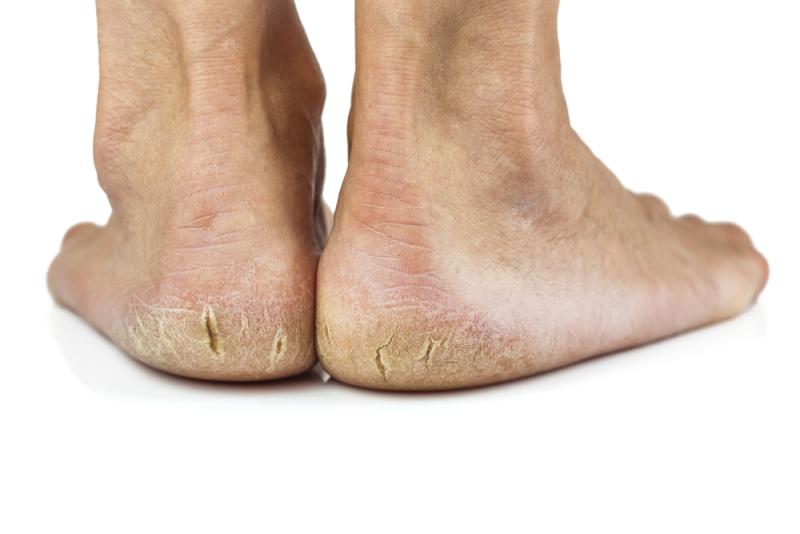
Cracked heels, medically known as heel fissures, represent one of the most common foot complaints affecting millions of people worldwide. This condition occurs when the skin around the heel becomes excessively dry, thick, and eventually splits open, creating painful fissures that can range from superficial cosmetic concerns to deep wounds that bleed and become infected. Understanding the causes, prevention strategies, and treatment options for cracked heels is essential for maintaining healthy feet and overall mobility.
The skin on our heels differs significantly from skin elsewhere on the body. It contains fewer oil glands and is subjected to tremendous pressure from bearing our body weight throughout the day. The fat pad beneath the heel is designed to absorb shock, but when the skin loses its elasticity due to dryness, it cannot expand properly under pressure. Instead, the rigid, dehydrated skin cracks under stress, much like dried earth splits during a drought. The severity of these cracks can vary considerably, with mild cases presenting as superficial lines in thickened skin, while severe cases involve deep fissures that expose underlying tissue and cause considerable pain, particularly when standing or walking.
Several factors contribute to the development of cracked heels. Environmental conditions play a significant role, with low humidity, cold weather, and excessive exposure to water all contributing to skin dehydration. Prolonged standing, particularly on hard surfaces, increases pressure on the heel pad and exacerbates cracking. Open-backed shoes, sandals, and walking barefoot allow the fat pad under the heel to expand sideways, increasing the likelihood of skin splitting. Medical conditions such as diabetes, thyroid disease, and psoriasis can also predispose individuals to heel fissures, as can obesity, which increases pressure on the feet. Age-related changes in skin elasticity and decreased natural oil production further compound the problem for older adults.
The cornerstone of treating cracked heels involves restoring moisture to the skin and removing thickened, dead tissue. The treatment approach should be tailored to the severity of the condition, with mild cases responding well to home care while severe fissures may require professional intervention. For most people, a consistent routine of exfoliation and intensive moisturization yields significant improvement within two to three weeks.
Soaking the feet represents the first step in an effective treatment regimen. Immersing the feet in warm water for ten to fifteen minutes helps soften the hardened skin and prepares it for exfoliation. Adding Epsom salts, mild soap, or essential oils to the water can enhance the therapeutic effect. However, soaking should be limited in duration, as prolonged water exposure can paradoxically increase dryness by stripping away natural oils. After soaking, the feet should be gently but thoroughly dried, paying particular attention to areas between the toes where moisture can lead to fungal infections.
Exfoliation removes the thickened layer of dead skin cells, known as calluses, that accumulate around cracked heels. A pumice stone, foot file, or specialized foot scrubber can be used to gently buff away this hardened tissue. The key is to work gradually and gently, as aggressive scrubbing can damage healthy skin and worsen the problem. Exfoliation should always be performed on damp, not dry, skin to prevent micro-tears. For severe calluses, repeated gentle sessions over several days prove more effective and safer than one aggressive treatment. Chemical exfoliation using products containing alpha-hydroxy acids or urea can complement mechanical exfoliation for stubborn cases.
Moisturization represents the most critical component of heel crack treatment. After exfoliating and drying the feet, a thick, emollient-rich moisturizer should be applied generously to the heels and surrounding areas. Products containing ingredients such as urea, salicylic acid, alpha-hydroxy acids, shea butter, or lanolin prove particularly effective. These ingredients not only hydrate the skin but also help soften calluses and promote healing. For optimal results, moisturizer should be applied at least twice daily, with evening application followed by wearing cotton socks overnight providing particularly good results. The occlusive effect of socks traps moisture and enhances absorption, significantly accelerating healing.
For deeper cracks that have become painful or show signs of infection—such as redness, swelling, or discharge—medical attention becomes necessary. Healthcare providers can debride thick calluses more effectively using specialized tools and may prescribe stronger medicated creams or antibiotics if infection is present. Liquid bandages or specialized heel balms can be applied to seal deep fissures and protect them during healing. In severe cases, podiatrists may use padding, strapping, or special insoles to redistribute pressure away from affected areas.
Prevention strategies should be implemented once heels have healed to prevent recurrence. Regular moisturization should become a daily habit rather than an occasional treatment. Wearing properly fitted, closed-back shoes with adequate cushioning and support protects the heel pad and prevents excessive lateral expansion. Staying hydrated by drinking adequate water supports overall skin health from within. Maintaining a healthy weight reduces pressure on the feet, while regular gentle exfoliation prevents excessive callus buildup before it becomes problematic.
Individuals with diabetes or compromised circulation must exercise particular caution with cracked heels, as these conditions impair healing and increase infection risk. Such patients should inspect their feet daily, avoid attempting aggressive home treatment of calluses, and seek professional podiatric care for even minor foot problems. What might seem like a simple cosmetic issue can rapidly progress to a serious medical complication in susceptible individuals.
Cracked heels, while common and often dismissed as merely a cosmetic concern, can significantly impact quality of life and, in severe cases, lead to serious complications. Fortunately, this condition responds well to consistent treatment combining exfoliation, intensive moisturization, and appropriate footwear choices. By understanding the underlying causes and maintaining a proactive approach to foot care, most people can achieve and maintain smooth, healthy heels throughout their lives.
Post Your Ad Here
Comments