Improving Poor Circulation to the Feet
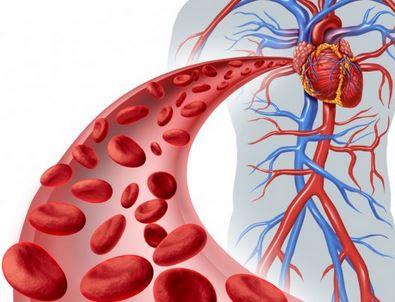
Poor circulation to the feet is a common problem that affects millions of people worldwide, causing symptoms ranging from cold toes and numbness to more serious complications like slow-healing wounds and increased infection risk. Understanding the causes and implementing effective strategies to improve blood flow can significantly enhance quality of life and prevent long-term health complications.
Understanding the Problem
Circulation problems in the feet occur when blood flow from the heart struggles to reach the lower extremities efficiently. The feet are particularly vulnerable because they're the farthest point from the heart, making it harder for blood to travel against gravity back up the legs. Several factors contribute to poor circulation, including age, sedentary lifestyle, smoking, diabetes, peripheral artery disease, obesity, and high blood pressure. Recognizing these risk factors is the first step toward addressing circulation issues effectively.
The Foundation: Regular Physical Activity
Movement is perhaps the single most powerful tool for improving circulation to the feet. When muscles contract during physical activity, they act as pumps that help push blood through the vessels and back toward the heart. Walking is particularly effective because it specifically engages the leg muscles while being low-impact and accessible to most people. Aim for at least thirty minutes of walking daily, even if broken into shorter intervals throughout the day.
Beyond walking, incorporating exercises that specifically target the lower legs and feet can make a substantial difference. Ankle rotations, toe curls, and calf raises are simple exercises that can be performed while sitting or standing. Flexing and pointing the feet repeatedly helps activate the muscle pump mechanism. Swimming and water aerobics provide excellent low-impact options that promote circulation without stressing the joints, making them ideal for people with mobility limitations or arthritis.
Managing Weight and Diet
Maintaining a healthy weight reduces the burden on the circulatory system and decreases the risk of conditions that impair blood flow. Excess weight, particularly around the abdomen, can compress blood vessels and make it harder for the heart to pump blood efficiently to the extremities. A balanced diet rich in nutrients that support vascular health is equally important.
Foods high in omega-3 fatty acids, such as salmon, walnuts, and flaxseeds, help reduce inflammation and improve blood vessel function. Antioxidant-rich fruits and vegetables protect blood vessels from damage caused by free radicals. Dark leafy greens, berries, citrus fruits, and tomatoes are particularly beneficial. Reducing sodium intake helps manage blood pressure, which directly impacts circulation. Staying well-hydrated is also crucial, as dehydration can make blood thicker and harder to pump through narrow vessels.
Lifestyle Modifications
Several simple lifestyle changes can dramatically improve foot circulation. Elevating the feet above heart level for fifteen to twenty minutes several times daily helps blood return to the heart and reduces swelling. This is particularly helpful at the end of the day when gravity has been working against circulation for hours.
Avoiding prolonged sitting or standing is essential. If your job requires extended periods in one position, make a conscious effort to move every thirty minutes. Even simple movements like standing up, walking a few steps, or doing ankle rotations at your desk can help. When sitting, avoid crossing your legs, as this position compresses blood vessels and restricts flow.
Temperature management also plays a role. Keeping feet warm improves circulation, but avoiding extreme heat is important as it can actually cause blood vessels to constrict initially. Wearing appropriate footwear that doesn't constrict the feet is crucial. Tight shoes, especially those with restrictive toe boxes, can impede blood flow. Compression socks, when properly fitted, can help improve circulation by providing graduated pressure that assists blood flow back toward the heart.
Addressing Harmful Habits
Smoking is one of the most detrimental factors for circulation. Nicotine causes blood vessels to constrict, while other chemicals in cigarettes damage vessel walls and promote plaque buildup. Quitting smoking is perhaps the most impactful single change a person can make to improve circulation. The benefits begin within hours of the last cigarette and continue to accumulate over time.
Limiting alcohol consumption is also beneficial, as excessive drinking can lead to circulatory problems and contribute to conditions that impair blood flow. Moderate intake, if any, is recommended.
Medical Interventions and Monitoring
For some people, lifestyle changes alone may not be sufficient, particularly if underlying conditions are contributing to circulation problems. Regular medical check-ups are important for monitoring conditions like diabetes, high blood pressure, and high cholesterol, all of which significantly impact circulation. Managing these conditions through medication, when necessary, can prevent further deterioration and support improved blood flow.
Massage therapy can provide benefits by mechanically encouraging blood flow through the tissues. Gentle foot and leg massages, performed regularly, can help reduce stiffness and promote circulation. Some people find benefit in alternating between warm and cool water foot baths, which causes blood vessels to alternately dilate and constrict, potentially improving their responsiveness and function. Using creams such as the Akileine cold feet warming cream can help the feet feel better.
Take Home
Improving circulation to the feet requires a multifaceted approach combining regular physical activity, proper nutrition, weight management, and lifestyle modifications. While the changes may seem simple, their cumulative effect can be profound, reducing symptoms like coldness and numbness while preventing more serious complications. The key is consistency and patience, as improvements in circulation develop gradually over time. Anyone experiencing persistent circulation problems should consult a healthcare provider to rule out serious underlying conditions and develop a comprehensive treatment plan tailored to their specific needs. With dedication and the right approach, most people can significantly improve circulation to their feet and enjoy better overall health and comfort.
Post Your Ad Here
Comments