How Is Digital Marketing Transforming the Hospitality Industry?
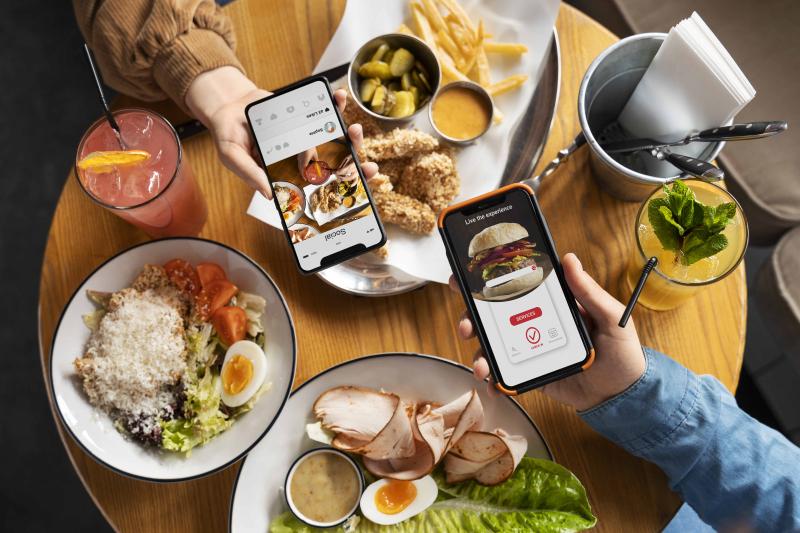
The hospitality industry has undergone radical transformation through digital marketing adoption, fundamentally changing how hotels, restaurants, and travel services connect with guests. Modern travelers research, book, and share experiences entirely through digital channels, making online presence crucial for hospitality business survival. The shift from traditional advertising to targeted digital strategies has democratized market access while intensifying competition for guest attention.
Digital transformation extends beyond simple online booking systems to encompass comprehensive guest journey optimization. Properties leveraging integrated digital strategies report average revenue increases of 25% while reducing marketing costs by 40%. This efficiency gain stems from precise targeting capabilities and measurable return on investment that digital channels provide.
What Makes Social Media Essential for Hospitality Marketing?
Social media platforms have become primary research tools for travelers, with 87% consulting social channels before booking accommodations. Visual platforms like Instagram and Pinterest particularly influence hospitality decisions through aspirational imagery and user-generated content. According to research from UNWTO tourism statistics, properties with active social media presence achieve 30% higher occupancy rates than those without.
User-generated content provides authentic social proof that traditional advertising cannot match. Guests sharing experiences create powerful marketing assets that cost nothing to produce yet generate significant booking influence. Successful hospitality brands cultivate shareable moments and encourage content creation through thoughtful design and experience curation.
Influencer Partnership Strategies
Influencer collaborations deliver targeted exposure to engaged audiences actively seeking travel inspiration. Micro-influencers with 10,000-50,000 followers often provide better ROI than celebrity partnerships due to higher engagement rates and audience trust. Strategic influencer campaigns focusing on authentic experiences rather than promotional content generate average booking increases of 15-20%.
How Do Online Reviews Impact Hospitality Businesses?
Online reviews have become the primary trust signal for hospitality decisions, with 93% of travelers reading reviews before booking. A single point increase in review scores correlates with 11% revenue growth for hotels. Review management has evolved from damage control to proactive reputation building through guest engagement and service recovery.
Responding to reviews, both positive and negative, demonstrates commitment to guest satisfaction while improving search visibility. Properties responding to over 50% of reviews see 12% higher review scores and 7% increased bookings. The public nature of review responses transforms complaint resolution into marketing opportunities that showcase service excellence.
What Role Does Personalization Play in Guest Acquisition?
Personalized marketing delivers relevant messages based on guest preferences, behavior, and booking history. Dynamic content adaptation showing different offers based on browsing behavior increases conversion rates by 45%. Email personalization beyond simple name insertion, incorporating stay preferences and past experiences, achieves open rates exceeding 40%.
Predictive analytics enable anticipation of guest needs before explicit expression. Machine learning algorithms analyzing booking patterns identify optimal timing for remarketing campaigns. Properties implementing comprehensive personalization strategies report 25% higher lifetime guest values and 60% increased repeat booking rates.
Dynamic Pricing Optimization
Revenue management systems leveraging real-time market data optimize pricing across distribution channels. Automated pricing adjustments based on demand patterns, competitor rates, and event calendars maximize revenue per available room. Dynamic pricing strategies typically increase revenue by 15-25% while maintaining competitive positioning.
How Can Content Marketing Drive Direct Bookings?
Content marketing reduces dependency on online travel agencies by attracting guests directly to property websites. Destination guides, local experience articles, and travel planning resources establish properties as local experts. According to data from IMF tourism economic reports, properties investing in content marketing achieve 40% higher direct booking rates.
Search engine optimization through quality content creation improves organic visibility for valuable booking queries. Long-tail keyword targeting captures guests early in travel planning phases. Blog content addressing specific travel needs and local attractions generates sustained organic traffic that compounds over time.
What Mobile Strategies Capture Modern Travelers?
Mobile devices account for 70% of travel research and 45% of online bookings, making mobile optimization critical. Mobile-first website design with simplified booking processes reduces abandonment rates by 50%. Progressive web apps providing app-like experiences without download requirements increase mobile conversions by 35%.
Location-based marketing through geofencing and beacon technology enables contextual messaging to nearby potential guests. Push notifications for mobile app users achieve 88% higher engagement than email marketing. Mobile check-in and digital key technologies enhance guest convenience while reducing operational costs.
Messaging Platform Integration
WhatsApp, Facebook Messenger, and WeChat integration enables real-time guest communication throughout their journey. Chatbot implementation handles routine inquiries while escalating complex requests to human agents. Properties offering messaging support report 20% higher satisfaction scores and 15% increased ancillary revenue from pre-arrival upselling.
How Does Video Marketing Enhance Property Appeal?
Video content delivers immersive property experiences that static images cannot match. Virtual tours reduce booking hesitation by providing comprehensive property visualization. Properties featuring video content receive 85% more inquiries and achieve 25% higher conversion rates than those relying solely on photography.
Live streaming events and behind-the-scenes content humanizes brands while building emotional connections. Short-form video content for TikTok and Instagram Reels reaches younger demographics increasingly important to hospitality growth. User-generated video content provides authentic perspectives that resonate more strongly than professional productions.
What Analytics Drive Hospitality Marketing Success?
Comprehensive analytics integration reveals guest journey insights enabling continuous optimization. Attribution modeling identifies which marketing channels drive bookings versus merely influencing decisions. Multi-touch attribution reveals that guests interact with average 7.5 touchpoints before booking, emphasizing integrated strategy importance.
Predictive analytics forecast demand patterns enabling proactive marketing and revenue optimization. Guest segmentation based on behavioral data improves targeting precision and message relevance. Properties utilizing advanced analytics report 30% improved marketing ROI and 20% reduced customer acquisition costs.
Real-Time Performance Monitoring
Dashboard systems providing real-time visibility into booking pace, channel performance, and market conditions enable agile decision-making. Automated alerts for performance anomalies prevent revenue loss from technical issues or competitive threats. Continuous testing and optimization based on performance data drives incremental improvements compounding into significant gains.


Post Your Ad Here
Comments (1)
Sonia Kapoor7
Social media management Profesional
Reviews are very important. Everyone does checks reviews be it any website. Especially in the hospitality business.