How Is Digital Printing Revolutionizing Marketing Materials in 2025?
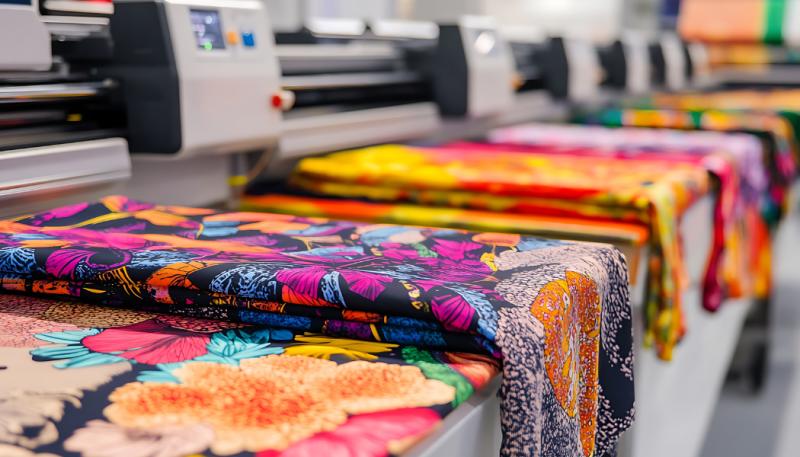
The marketing landscape has undergone a fundamental transformation with the advent of advanced digital printing technologies. Businesses across industries are discovering that personalized, on-demand printing capabilities offer unprecedented flexibility in campaign execution. The ability to produce high-quality marketing materials with minimal lead times has revolutionized how companies approach promotional strategies.
Digital printing technology has evolved far beyond simple document reproduction to encompass sophisticated variable data printing, augmented reality integration, and sustainable production methods. Companies utilizing modern printing solutions report average cost reductions of 35% while achieving significantly higher engagement rates through personalization. This shift represents not just a technological advancement but a complete reimagining of marketing material production.
What Makes Variable Data Printing Essential for Modern Marketing?
Variable data printing enables marketers to customize every element of printed materials based on recipient data. Each piece can feature unique names, images, offers, and messaging tailored to individual customer preferences and behaviors. Research from Wikipedia's printing technology overview indicates that personalized print campaigns generate response rates up to six times higher than generic mailings.
The integration of customer relationship management systems with digital printing platforms creates seamless workflows for personalized campaign execution. Marketers can segment audiences based on purchase history, demographic data, and engagement patterns to deliver highly relevant messaging. This level of customization was previously impossible with traditional offset printing methods due to cost and time constraints.
Database Integration Capabilities
Modern digital printing systems directly interface with marketing databases to pull customer information in real-time. This integration eliminates manual data entry errors and enables dynamic content generation based on the latest customer interactions. Advanced systems can even incorporate predictive analytics to determine optimal messaging for each recipient.
How Does Print-on-Demand Reduce Marketing Waste?
Print-on-demand technology eliminates the need for large inventory storage and reduces obsolescence risks associated with bulk printing. Companies can produce exact quantities needed for specific campaigns, events, or time periods without committing to minimum order quantities. This approach significantly reduces waste from outdated materials while improving cash flow management.
Environmental sustainability has become a critical consideration for modern businesses, and digital printing offers substantial advantages in this area. The elimination of printing plates, reduced chemical usage, and precise quantity control contribute to lower environmental impact. Studies show that print-on-demand can reduce paper waste by up to 50% compared to traditional printing methods.
What Role Does Color Management Play in Digital Printing Quality?
Consistent color reproduction across different substrates and printing devices remains crucial for brand integrity. Advanced color management systems ensure that brand colors remain accurate whether printing on paper, vinyl, fabric, or other materials. According to ISO printing standards, proper color calibration can improve brand recognition by up to 80%.
Digital printing technologies now incorporate spectrophotometers and closed-loop color control systems that continuously monitor and adjust output quality. These systems compensate for environmental factors such as temperature and humidity that can affect color reproduction. The result is consistent brand presentation across all marketing materials regardless of production location or timing.
Pantone Matching Accuracy
Modern digital presses achieve Pantone color matching accuracy within Delta E values of less than 2, imperceptible to the human eye. This precision ensures that corporate colors remain consistent across all marketing touchpoints. Regular calibration and profiling maintain this accuracy throughout extended print runs.
How Are Augmented Reality Features Enhancing Printed Materials?
The integration of augmented reality markers into printed materials creates interactive experiences that bridge physical and digital marketing channels. Customers can scan printed pieces with smartphones to access videos, 3D product demonstrations, or exclusive digital content. This technology transforms static print materials into dynamic engagement tools.
Implementation costs for AR-enabled printing have decreased significantly, making this technology accessible to businesses of all sizes. Marketing campaigns incorporating AR features report average engagement time increases of 300% compared to traditional printed materials. The ability to track and analyze user interactions with AR content provides valuable data for campaign optimization.
What Substrate Innovations Expand Marketing Possibilities?
Digital printing technology now supports an extensive range of substrates beyond traditional paper products. Marketers can print on textiles, plastics, metals, and even unconventional materials like wood or leather. This versatility enables creative campaign executions that stand out in crowded marketing environments.
Specialty substrates such as synthetic papers offer durability advantages for outdoor applications while maintaining print quality. Biodegradable and recycled materials address sustainability concerns without compromising visual appeal. The ability to test different substrates in small quantities before committing to large runs reduces risk and encourages experimentation.
Smart Material Integration
Emerging smart materials incorporate conductive inks, thermochromic pigments, and NFC chips directly into printed pieces. These technologies enable temperature-sensitive messaging, touch-activated content, and seamless digital integration. Early adopters of smart material printing report engagement rate improvements exceeding 400%.
How Does Digital Printing Support Agile Marketing Strategies?
Agile marketing methodologies require rapid iteration and testing capabilities that digital printing uniquely provides. Marketers can produce small test batches, analyze results, and refine messaging before scaling successful campaigns. This iterative approach reduces risk while maximizing campaign effectiveness through data-driven optimization.
The ability to update marketing materials in response to real-time events or market conditions provides competitive advantages. Companies can capitalize on trending topics, respond to competitor actions, or adjust messaging based on current events within hours rather than weeks. This responsiveness has become essential in fast-moving markets where timing significantly impacts campaign success.
What Cost Considerations Affect Digital Printing Adoption?
While digital printing eliminates many traditional setup costs, per-unit pricing structures differ from offset printing economics. Understanding the break-even points between digital and offset production helps marketers optimize their printing strategies. Generally, digital printing offers cost advantages for runs under 5,000 units, though this threshold continues to increase as technology improves.
Total cost of ownership calculations must consider factors beyond unit price, including inventory carrying costs, obsolescence risks, and opportunity costs of delayed market entry. When these factors are included, digital printing often provides superior economic value even for larger runs. Additionally, the ability to test and refine campaigns before committing to large quantities reduces overall marketing waste and improves return on investment.
Post Your Ad Here
Comments