The Best Treatment for Chilblains
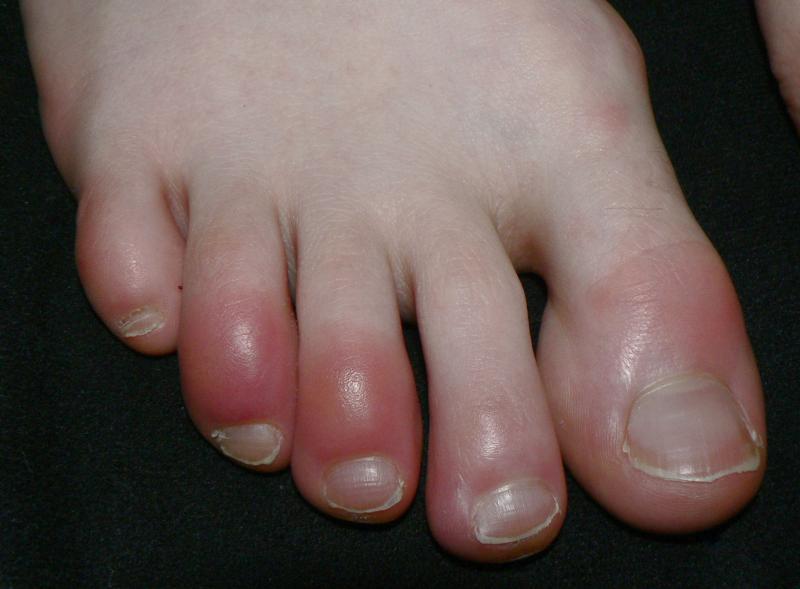
Chilblains, medically known as pernio or perniosis, are painful inflammatory lesions that develop on the skin in response to repeated exposure to cold, but not freezing, temperatures. These uncomfortable conditions typically affect the fingers, toes, nose, and ears, causing redness, itching, swelling, and sometimes blistering. While chilblains are generally not serious, they can be painful and distressing, making effective treatment essential for those who suffer from them. Understanding the best treatment approach requires examining both immediate relief measures and long-term prevention strategies.
The foundation of chilblains treatment begins with proper rewarming techniques. When someone develops chilblains, the immediate instinct might be to rapidly warm the affected area, but this is actually counterproductive. Rapid rewarming can cause additional damage to the already compromised blood vessels and exacerbate inflammation. Instead, gradual rewarming is crucial. The affected area should be brought to room temperature slowly and naturally, avoiding direct heat sources such as radiators, hot water bottles, or fires. This gentle approach allows the constricted blood vessels to dilate gradually, minimizing further tissue damage and reducing the severity of symptoms.
Once the affected area has been appropriately rewarmed, topical treatments become the next line of defense. Corticosteroid creams are among the most effective topical treatments for chilblains, as they help reduce inflammation and alleviate itching. These creams work by suppressing the inflammatory response that causes much of the discomfort associated with chilblains. For mild to moderate cases, over-the-counter hydrocortisone cream may be sufficient, though more severe cases might require prescription-strength corticosteroids. It's important to apply these medications as directed and not to overuse them, as prolonged use of strong corticosteroids can thin the skin.
Moisturizing plays a surprisingly important role in chilblains treatment. The affected skin is often dry and fragile, making it more susceptible to cracking and infection. Regular application of gentle, fragrance-free moisturizers helps maintain the skin's barrier function and promotes healing. Some patients find particular benefit from lanolin-based products, which provide excellent moisturization while creating a protective layer over the damaged skin. Applying moisturizer several times daily, especially after washing hands or bathing, can significantly improve comfort and healing time.
For cases involving severe itching, antihistamines can provide welcome relief. The inflammatory process associated with chilblains often triggers histamine release, leading to intense itching that can interfere with sleep and daily activities. Both oral antihistamines and topical formulations can help manage this symptom, though drowsy antihistamines taken before bed may be particularly helpful for those whose symptoms worsen at night.
In more severe or recurrent cases, medical intervention may be necessary. Nifedipine, a calcium channel blocker normally used to treat high blood pressure, has shown effectiveness in treating chilblains by improving blood flow to affected areas. This medication works by dilating blood vessels, which helps prevent the vascular constriction that underlies chilblain development. However, nifedipine requires a prescription and should only be used under medical supervision, as it can cause side effects such as headaches, dizziness, and swelling in some individuals.
Prevention strategies are arguably the most important aspect of chilblains treatment, as avoiding recurrence is far easier than treating active lesions. The primary preventive measure is maintaining warmth, particularly in the extremities. This means wearing appropriate clothing for cold weather, including insulated gloves, warm socks, and well-fitting shoes that don't restrict circulation. Layering is particularly effective, as it traps warm air close to the body. Those prone to chilblains should pay special attention to keeping their entire body warm, not just the commonly affected areas, as overall body temperature influences circulation to the extremities.
Lifestyle modifications can significantly reduce chilblains risk. Regular exercise improves overall circulation, making the body more resilient to cold exposure. Activities that specifically promote blood flow to the extremities, such as finger and toe exercises, can be particularly beneficial. Avoiding smoking is crucial, as nicotine causes vasoconstriction and impairs circulation, making individuals more susceptible to chilblains. Similarly, limiting caffeine intake may help, as caffeine can also affect blood vessel function.
Dietary considerations may play a supporting role in chilblains management. Foods rich in omega-3 fatty acids, such as oily fish, may help improve circulation and reduce inflammation. Ensuring adequate vitamin D levels is also important, as deficiency has been associated with impaired vascular function. Some practitioners recommend supplements such as ginkgo biloba or vitamin C for their potential circulatory benefits, though scientific evidence for these interventions remains limited.
For individuals with chilblains that fail to heal or recur frequently despite appropriate treatment, underlying medical conditions should be considered. Chilblains can sometimes be associated with autoimmune disorders, blood disorders, or other conditions affecting circulation. In these cases, addressing the underlying condition becomes essential for effective chilblains management. Medical evaluation including blood tests may be warranted for persistent or unusually severe cases.
The psychological impact of recurrent chilblains should not be overlooked. Chronic discomfort and the limitation of activities during cold weather can affect quality of life. For some individuals, the anticipatory anxiety about developing chilblains can lead to excessive behavioral restrictions. In these cases, working with healthcare providers to develop a comprehensive management plan can help restore confidence and normal functioning.
The best treatment for chilblains combines immediate symptom relief, appropriate medical intervention when necessary, and comprehensive prevention strategies. While topical corticosteroids and proper rewarming techniques address active lesions, the true key to managing chilblains lies in prevention through appropriate cold weather protection and lifestyle modifications. For those with recurrent or severe cases, medical treatments such as nifedipine may be necessary, and underlying health conditions should be investigated. By adopting a multifaceted approach that addresses both treatment and prevention, most individuals can successfully manage chilblains and minimize their impact on daily life.
Post Your Ad Here
Comments