6 Steps to Take If Your Home Heater Wont Work
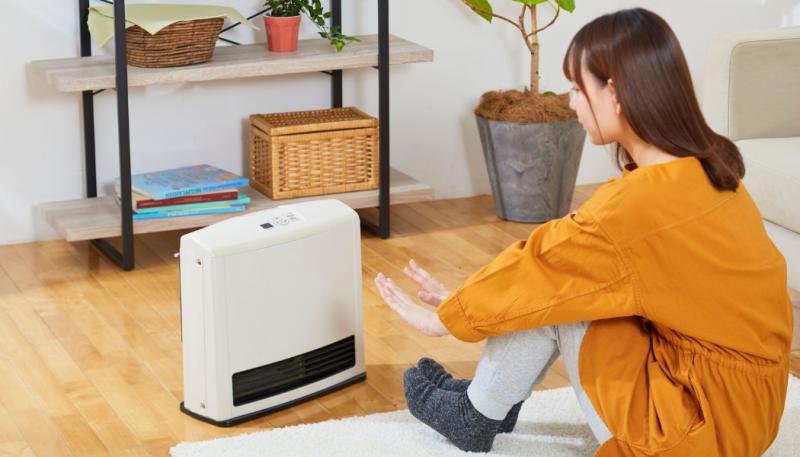
It’s that sinking feeling. It’s the coldest night of the year, you go to turn up the heat, and... nothing happens. You wait a few minutes, but the familiar click and whoosh of the furnace never comes. All you hear is silence, and the house is getting colder by the minute. This is one of the most stressful moments a homeowner can face. Your first instinct is to panic. Don't.
In many cases, the problem is something surprisingly simple that you can safely check yourself in about 10 minutes. The goal is to stay calm and follow a clear, step-by-step triage process. Some of these are simple fixes, but for anything more complex, a fast call for professional heating repair is the safest and most effective way to get your home warm again.
Before you make that call, here is a simple checklist to run through.
1. Check Your Thermostat
This is the most common and the most overlooked problem of all. The thermostat is the brain of your entire system, and if it's not giving the right command, the furnace won't do anything.
Is it set to "HEAT"? It sounds obvious, but it’s an easy mistake. If the system is still set to "COOL" or "OFF" from the fall, it will never call for heat.
Is the temperature set high enough? The thermostat will only tell the furnace to turn on if the set temperature is higher than the current room temperature. If it's set to 68°F and the room is already 68°F, it won't kick on.
Are the batteries dead? Many modern, digital thermostats run on batteries. If the screen is blank or flashing a low battery icon, this is almost certainly your problem.
2. Check the Power
A furnace, whether it’s gas, electric, or oil, needs electricity to run the blower, the ignitor, and all the smart components.
Check the Circuit Breaker: Go to your home's main electrical panel (usually in the basement, garage, or a utility closet). Look for the breaker labeled "Furnace," "Heater," or "HVAC." It may have tripped. It should be in the full "ON" position. If it’s in the middle or the "OFF" position, flip it firmly off and then back on once.
Check the Furnace Power Switch: Most furnaces have a dedicated power switch that looks just like a standard light switch. It's typically located on the side of the furnace unit itself or on a nearby wall. This switch is often mistaken for a light and can be accidentally turned off. Make sure it is in the "ON" position.
3. Check the Air Filter
This is the top preventative maintenance task, and it's also a major cause of shutdowns. A severely clogged, dirty air filter is the equivalent of forcing your furnace to breathe through a straw.
A dirty filter restricts airflow, which can cause the furnace to get too hot. When this happens, a safety sensor called a "limit switch" will automatically shut the entire system down to prevent a fire or from cracking the heat exchanger.
The Fix: Pull out your air filter. If it is visibly gray, clogged with dust, or you can't see light through it, it’s time to replace it. A fresh, clean filter might be all your system needs to start breathing (and running) again.
4. Check Your Fuel Source
Your furnace can't create heat if it has no fuel.
For a Gas Furnace: If you have other gas appliances (like a stove or a water heater), check to see if they are working. If they aren't, you may have a problem with the gas line coming into your house.
For a Propane or Oil Furnace: Go outside and check the gauge on your tank. It's surprisingly common to simply run out of fuel.
5. Check the Exhaust Pipe (Outside)
A high-efficiency furnace has two large PVC pipes (usually white) that stick out of the side of your house. One is an air intake, and one is the exhaust.
The Problem: These pipes can get blocked. A heavy snowfall can drift up and cover them. An ice storm can seal them over. Birds or rodents can even build nests in them during the off-season.
The Fix: If these pipes are blocked, a sensor will shut the furnace down to prevent dangerous exhaust, like carbon monoxide, from backing up into your home. Make sure they are completely clear of any snow, ice, or debris.
6. Listen to Your System
Try to run the heat one more time and just listen. What are you hearing?
A "Click, Click, Click...": This is often the sound of the electronic ignitor trying (and failing) to light the gas. This usually means the ignitor or the flame sensor is dirty or has failed.
A Loud Banging or Scraping: This is a "Stop Immediately" sound. A loud bang can be a sign of a delayed, miniature gas explosion in the combustion chamber. A scraping or grinding noise can be a sign of a failing blower motor.
When to Stop and Call a Professional
You’ve done all the simple checks, and you're still cold. It's time to call a pro.
You should stop your DIY troubleshooting and call for help immediately if you spot any of the following:
You smell gas (a "rotten egg" smell).
You hear any loud, scary noises like banging or metallic scraping.
The system tries to start, runs for a minute, and then shuts down (this is short-cycling, and often a sign of a bad sensor).
You've tried all the steps above and are still getting no heat.
A furnace is a complex, high-tech piece of equipment. A professional technician has the diagnostic tools and the expertise to safely troubleshoot the complex components, from control boards and sensors to gas valves and motors. While a cold house is a stressful problem, it’s one that can almost always be fixed.
Post Your Ad Here
Comments