Exploring the Innovation Behind the Seamless Gojek App Experience
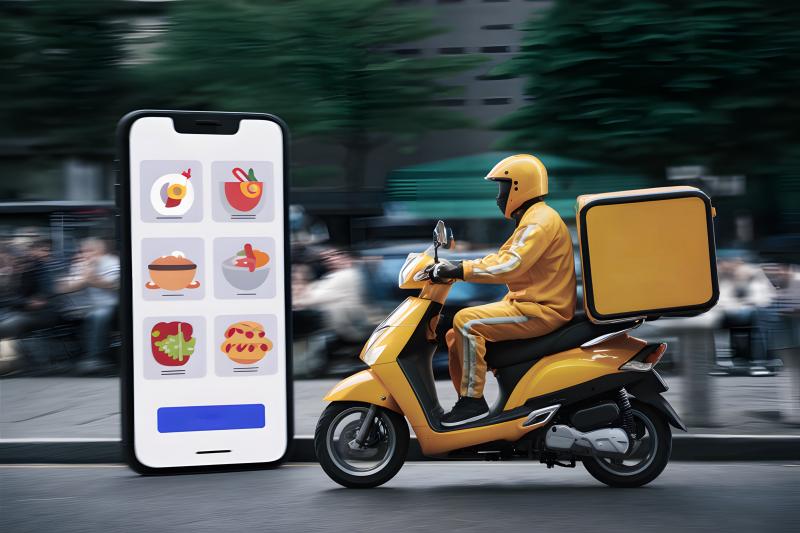
The digital transformation era has witnessed the rise of several multi-service platforms, but few have achieved the success and innovation of Gojek. What began as a simple motorcycle taxi service has now evolved into one of the most versatile super apps in Southeast Asia. The app provides multiple services under one digital umbrella, ranging from ride-hailing and food delivery to digital payments and logistics. The real innovation lies in how Gojek integrated these diverse services seamlessly, offering users an efficient and unified experience.
Businesses across the globe are now exploring how they can replicate this model using a gojek clone to enter the on-demand market. By understanding the technology and business strategies that power Gojek, entrepreneurs can create platforms that deliver convenience, speed, and superior user satisfaction.
Understanding the Core Concept Behind the Gojek Platform
The Gojek platform thrives on one central idea—simplifying multiple everyday needs through one mobile application. Users can order food, book rides, pay bills, send parcels, and even hire professional services without downloading several different apps. This concept is powered by an integrated system that connects multiple service providers to customers using real-time technology.
A gojek clone aims to recreate this efficiency by offering similar features and functionalities. The goal is to provide a single interface where various services can coexist and function smoothly. The unified app design reduces friction for users while providing a scalable platform for service providers. The model showcases how powerful backend architecture, cloud integration, and advanced analytics can come together to form a single cohesive digital ecosystem.
The Technological Framework That Powers the Seamless Experience
Behind Gojek’s simplicity lies a complex network of technologies working in harmony. The application architecture relies on microservices, allowing each feature—like ride booking, payments, or delivery—to function independently while still being connected through a central system. This approach ensures faster updates, fewer errors, and improved scalability.
In a gojek clone, developers replicate this architecture to ensure the same level of performance and reliability. Key technologies used in such platforms include real-time GPS tracking, AI-driven recommendations, advanced data analytics, and cloud computing. These technologies help create an intelligent platform capable of managing millions of simultaneous user interactions without delays.
Some essential points that contribute to the seamless user experience include:
Microservice-based architecture for smooth performance and easy updates
Data-driven personalization to enhance customer engagement
AI-powered routing and dispatching to optimize driver allocation
Cloud infrastructure for scalability and data security
Integrated payment gateways for quick and secure transactions
The User Experience Strategy Behind Gojek’s Success
User experience is at the heart of Gojek’s success. The app design prioritizes intuitive navigation, minimal clicks, and consistent performance. Whether a user wants to order a meal or hail a ride, every service follows a familiar flow, which reduces confusion and improves satisfaction.
Developers working on a gojek clone should focus on maintaining this simplicity. Consistent design elements, smooth animations, and user-friendly interfaces are crucial for keeping engagement high. The platform’s visual clarity ensures that users from different backgrounds can easily navigate the app without needing a guide.
The onboarding process is equally significant. Gojek provides an easy registration system with social login options, allowing new users to get started within seconds. Instant access to services builds trust and encourages repeat usage, which is essential for long-term retention.
Exploring the Business Model That Drives Multi-Service Platforms
One of the key reasons for Gojek’s massive growth is its innovative business structure. The platform operates using a commission-based model, where service providers pay a small percentage of their earnings to the platform. Additional revenue comes from delivery charges, advertisements, and subscription plans.
Many entrepreneurs are now studying the gojek like app business revenue model to design their own scalable platforms. The advantage of such a model is its flexibility each service vertical can generate revenue independently while contributing to the platform’s overall profitability.
A few revenue sources in this model include:
Commission from ride bookings and deliveries
Partner promotions and advertising
Subscription-based premium plans for customers
In-app payment transaction fees
Data insights and analytics services for businesses
The Gojek business model proves that diversification within a single platform can significantly enhance profitability while reducing dependency on one service category.
The Role of Innovation in Expanding the Super App Ecosystem
Innovation has always been the foundation of Gojek’s growth. The company constantly expands its offerings by integrating new features and services that address evolving user needs. This innovation strategy is not limited to technology but also extends to business partnerships and market adaptation.
Entrepreneurs planning to build their own multi-service platforms can collaborate with a clone app development company that understands the complexity of creating an all-in-one solution. Such companies provide ready-to-launch frameworks that reduce development time while maintaining quality and performance.
This approach enables businesses to focus more on customization, marketing, and local service partnerships rather than starting from scratch. Innovation also extends to integrating AI-driven customer support, predictive analytics for demand forecasting, and advanced logistics tracking to improve delivery accuracy.
The Growing Relevance of Super Apps in Modern Digital Economies
The rise of super apps marks a major shift in how users interact with technology. Instead of juggling multiple apps for different needs, consumers now prefer a single platform that covers everything. This trend has led to a surge in super app development projects worldwide.
Super apps combine mobility, commerce, finance, and lifestyle into one interface. They create a digital ecosystem that simplifies daily life while unlocking multiple revenue opportunities for businesses. By studying the Gojek model, developers and companies can design platforms that serve various markets, from local deliveries to international services.
As more industries embrace digital transformation, super apps will continue to shape the future of convenience-driven economies. The combination of smart data use, personalization, and integrated functionality will determine which platforms thrive in the coming years.
Expanding the On-Demand Sector Through Delivery Innovations
Delivery services form one of the most profitable segments of the Gojek ecosystem. Whether it’s food, groceries, or parcels, delivery efficiency plays a crucial role in maintaining customer trust. Gojek’s delivery network is supported by advanced route optimization algorithms that minimize delays and maximize driver productivity.
Businesses venturing into delivery app development can replicate these features to enhance operational efficiency. The integration of GPS tracking, live order updates, and in-app communication tools ensures transparency throughout the delivery process. For users, this means real-time visibility and consistent service quality.
The rapid growth of e-commerce and on-demand services further emphasizes the importance of delivery technology. A strong logistics network not only improves customer satisfaction but also opens up additional income streams for drivers and local merchants.
Adopting the Gojek Clone Strategy for Business Expansion
Many startups and established businesses are now adopting the gojek clone model to enter the competitive on-demand market with minimal risk. This strategy allows them to leverage proven technology and focus on localization and user engagement. By integrating region-specific services and payment options, businesses can create a strong presence in their target markets.
A gojek clone also provides flexibility for future expansion. Companies can start with a few core services—such as rides and deliveries—and later add new categories like beauty services, grocery delivery, or digital payments. This scalable structure ensures that the app remains relevant and continues to grow with user demand.
To ensure success, businesses should focus on:
Building partnerships with local service providers
Implementing efficient marketing strategies
Ensuring robust customer support
Regularly updating the platform with new features
By following these steps, entrepreneurs can establish a sustainable digital ecosystem that replicates the success of Gojek while adapting it to their local market conditions.
Conclusion
The seamless experience behind the Gojek app is the result of strategic innovation, advanced technology, and an unwavering focus on user satisfaction. Its multi-service ecosystem demonstrates how businesses can combine diverse services into one efficient digital platform. For entrepreneurs, studying the Gojek model offers valuable insights into building scalable, user-centric, and profitable applications. As technology continues to evolve, the demand for unified service platforms will only grow, opening new opportunities for innovation and customer engagement in the digital economy.

Comments