What Fashion Trends Should You Actually Invest In for 2025?
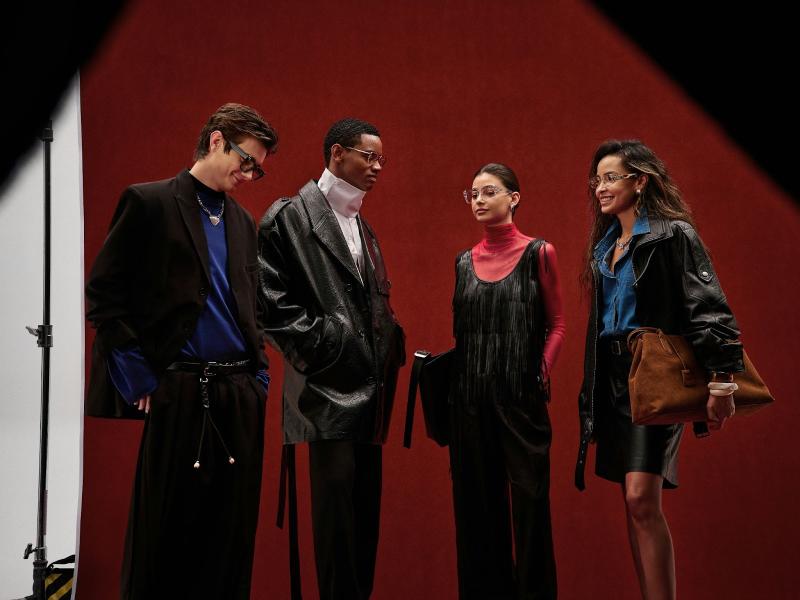
Fashion continues its endless evolution, yet building a functional wardrobe that balances contemporary style with timeless practicality remains challenging for most people. The key lies not in chasing every fleeting trend but rather in understanding which pieces deserve investment and how to combine basic items into sophisticated looks that work across multiple occasions. Whether refreshing your existing wardrobe or building one from scratch, strategic choices about fabrics, cuts, and essential pieces transform the daily ritual of getting dressed from stressful to effortless.
What Are the Defining Women's Fashion Trends for 2025?
The fashion landscape for 2025 reflects a fascinating tension between bold self-expression and refined sophistication. Designers across major fashion weeks have introduced trends emphasizing statement pieces and understated elegance, creating opportunities for diverse personal style interpretations.
Color Palettes Making Bold Statements
Yellow emerges as the optimistic hue dominating 2025 runways, ranging from soft vanilla tones to vibrant saffron shades. This sunny color represents confidence and positivity, with forecasts showing an eleven percent increase in vanilla yellow adoption and six percent growth for saffron variations during spring and summer months. These cheerful tones work particularly well when balanced with neutral bases, allowing the color to shine without overwhelming the wearer.
Red maintains its position as the power color of choice, appearing in everything from striking evening gowns to everyday accessories. Fashion houses presented collections featuring fuchsia, emerald, coral, and scarlet worn together or styled alongside leopard print, demonstrating that maximalist color combinations continue gaining acceptance. Navy blue experiences a remarkable resurgence as well, with reports indicating a 106 percent increase across runway presentations, positioning it as the contemporary alternative to traditional black.
Silhouettes and Textures Defining Modern Feminine Style
Leather dominates material choices across all garment categories. From structured blazers to flowing skirts and elegant trousers, leather pieces deliver luxury and edge simultaneously. Designers reference cinematic influences while creating moody, leather-laden collections brimming with urban sophistication. This material proves particularly versatile because it transitions seamlessly between seasons and occasions when styled thoughtfully.
Power shoulders and structured tailoring make powerful comebacks, adding confidence and definition to both casual and formal wear. These architectural elements create polished silhouettes that command attention in professional settings while remaining appropriate for social occasions. Asymmetrical designs introduce visual interest through uneven hemlines, off-center details, and unique cuts that feel fresh and contemporary without sacrificing wearability.
Leopard print transcends its status as mere trend to become a modern neutral, appearing across everything from coats to accessories. This pattern bridges the gap between understated basics and bold statements, offering versatility that few other prints achieve. Pairing leopard with solid neutrals creates sophisticated looks that avoid feeling costume-like or excessive.
Practical Pieces Worth Investing In
Maxi dresses establish themselves as all-season staples featuring bold patterns, dramatic sleeves, and asymmetrical cuts. These flowing garments offer effortless elegance whether styled for casual daytime activities or dressed up for evening events. The key involves selecting versions in quality fabrics with flattering cuts that enhance rather than overwhelm your natural proportions.
Polo shirts undergo feminine reimagining with modern fitted cuts that accentuate the female form while retaining the garment's classic sporting heritage. These versatile pieces work equally well for casual weekends and smart-casual office environments, particularly when crafted from soft fabrics like ribbed knits or stretch cottons. Hot pants emerge as alternatives to mini skirts, styled with bare legs or tights across cotton, knit, sequin, denim, and leather fabrications.
Which Classic Men's Pieces Form Wardrobe Foundations?
Every well-dressed person's wardrobe begins with fundamental pieces that transcend temporary trends while providing maximum versatility. These classics serve as building blocks from which countless outfit combinations emerge, eliminating the daily stress of determining what to wear while ensuring appropriateness for virtually any occasion.
The Essential Tailored Pieces
Navy blazers remain among the most versatile items any man can own. This jacket works equally well paired with suit trousers and ties for formal occasions or styled with jeans and casual shirts for relaxed settings. Modern iterations feature softer constructions and mid-weight fabrics allowing year-round wear, while avoiding the stiffness that characterized traditional versions. Selecting quality construction ensures the piece maintains its shape and appearance through years of regular use.
White dress shirts serve as wardrobe cornerstones, adapting effortlessly from business meetings to dinner dates to casual outings. The ideal version features high-quality cotton fabric with medium-spread collars providing breathability and polish. Proper fit proves crucial—the shirt should follow body contours without restriction or excessive bagginess. Rolling sleeves and wearing the shirt untucked with chinos creates relaxed weekend looks, demonstrating this garment's remarkable versatility.
Chinos occupy the middle ground between jeans and dress pants, offering preppy sophistication that pairs beautifully with everything from soft tailoring to casual tees and sandals. Classic slim or straight legs in subtle colors like navy, forest green, or khaki provide maximum versatility. These trousers transition seamlessly from office environments to social settings, making them workhorses within any wardrobe.
Foundational Casual Essentials
Quality plain tees deserve investment and multiplication. Finding a perfectly fitted version justifies purchasing it in every color, particularly white, navy, black, and gray. These basics appear in daily outfits more frequently than almost any other garment, making proper fit and quality construction essential for maintaining polished appearances. Superior cotton ensures longevity while providing the soft comfort that synthetic alternatives cannot replicate.
Well-fitted jeans remain non-negotiable essentials, with vintage-inspired straight-leg styles leading contemporary preferences. Medium wash denim proves most versatile, transitioning effortlessly from casual to smart contexts whether paired with loafers for polished looks or sneakers for laid-back vibes. This timeless piece demonstrates why certain classics withstand fashion's constant evolution—they simply work across nearly any situation.
Crewneck sweaters provide indispensable layering options during cooler months. Neutral tones like gray, navy, or black maximize versatility, allowing these pieces to complement virtually any outfit combination. Quality construction ensures these sweaters maintain their shape and appearance season after season, justifying the initial investment through years of reliable service.
Footwear Building Blocks
Loafers continue dominating men's footwear choices due to their seamless ability to transition between casual and formal contexts. Classic penny or tassel loafers in neutral shades offer timeless appeal that never feels dated. Recent iterations featuring slimmer profiles and almond-toe shapes elevate these traditional styles while maintaining their fundamental versatility, making them appropriate for everything from jeans and tees to tailored trousers and blazers.
Quality leather Derby shoes in black or brown provide the only dress shoes most men genuinely need. Less formal than Oxford's yet sufficiently smart for most occasions, Derbys handle vast majorities of formal requirements while remaining approachable enough for smart-casual styling. Pairing them with tailored pants, roll necks, and overshirts creates modern interpretations of traditionally vague dress codes.
How Can You Create Perfect Looks from Basic Items?
The art of building versatile outfits centers on understanding how fundamental pieces interact and complement each other. Rather than requiring extensive wardrobes, stylish dressing depends on selecting quality basics that combine effortlessly while allowing personal expression through thoughtful styling choices.
The Capsule Wardrobe Philosophy
Capsule wardrobes eliminate decision fatigue by ensuring every piece coordinates with multiple others, creating numerous outfit possibilities from minimal items. This approach prioritizes quality over quantity, focusing on timeless pieces that remain relevant across seasons and years rather than trendy items with brief lifespans. Starting with neutral foundations allows color and pattern introduction through accessories and occasional statement pieces without overwhelming the overall aesthetic.
For women, building around essential pieces like well-fitted jeans, classic white shirts, neutral blazers, quality knit sweaters, and versatile dresses provides the framework for endless combinations. Adding carefully selected shoes—comfortable flats, elegant heels, casual sneakers—expands possibilities while maintaining cohesion. Accessories including scarves, belts, and jewelry personalize looks without requiring extensive wardrobe expansion.
Men's capsule wardrobes similarly center on foundational items that mix effortlessly. Two well-fitted suits in navy and gray, three dress shirts in white and blue variations, neutral trousers, quality jeans, a versatile sports coat, essential ties, and appropriate footwear create frameworks supporting dozens of distinct looks suitable for professional and social contexts. Outerwear like navy all-weather coats complete the collection while maintaining versatility across situations.
Strategic Layering Techniques
Mastering layering transforms basic pieces into sophisticated ensembles appropriate for varying temperatures and occasions. Starting with quality foundational layers ensures comfort and proper fit, while adding complementary pieces creates visual interest and practical functionality. The key involves balancing proportions and textures to avoid bulky appearances while maintaining polished aesthetics.
Pairing fitted base layers with relaxed outer pieces creates flattering silhouettes that feel modern without sacrificing comfort. Lightweight cardigans over simple tees and jeans provide casual sophistication, while blazers layered over roll necks and tailored trousers deliver smart-casual polish. Understanding which textures complement each other—smooth cottons with textured knits, structured pieces with flowing fabrics—elevates simple combinations into considered looks.
Color coordination within layered outfits maintains cohesion without requiring exact matches. Complementary neutrals create sophisticated bases allowing statement pieces or accessories to shine, while tonal variations add depth without overwhelming. Introducing one accent color through accessories, outerwear, or a single garment prevents monotony while maintaining overall harmony.
What Should You Know About Choosing Quality Fabrics for Warm Weather?
Fabric selection dramatically impacts comfort during hot weather, making material knowledge essential for building functional warm-season wardrobes. Understanding breathability, moisture-wicking properties, and practical care requirements ensures your clothing performs well while maintaining its appearance through repeated wear and washing.
Natural Fibers Offering Superior Breathability
Cotton remains the quintessential warm-weather fabric due to its highly breathable nature and exceptional versatility. Various cotton weaves including jersey, seersucker, chambray, poplin, and pinpoint each offer distinct benefits while sharing the material's fundamental cooling properties. Cotton's fiber structure allows air circulation while absorbing moisture, though it dries more slowly than some alternatives, making it ideal for moderate activity levels rather than intense physical exertion.
Linen claims the title of summer's undisputed champion fabric. Made from flax plant fibers, its relatively large fibers and loose, open weaves create exceptionally cool garments perfect for hot, humid conditions. Linen's natural texture adds effortless elegance to casual and dressy looks alike, though some people resist it due to inevitable wrinkling—a characteristic many consider part of its relaxed charm. This fabric's moisture-wicking and quick-drying properties surpass cotton's performance while offering greater durability and eco-friendliness.
Chambray provides lightweight alternatives to traditional denim, offering similar aesthetics with dramatically improved breathability. This cotton-based fabric features higher thread counts and finer weaves allowing air to flow freely while maintaining the classic appeal of denim styling. Chambray works beautifully in casual and business-casual contexts, pairing well with everything from shorts to tailored trousers while keeping wearers notably cooler than heavier denim alternatives.
Semi-Synthetic and Performance Materials
Rayon and its variants including viscose and modal deliver excellent warm-weather performance through superior moisture absorption and quick-drying properties. Modal proves particularly impressive, absorbing moisture fifty percent more effectively than cotton while wicking perspiration away from skin surfaces. These materials feel luxuriously soft while maintaining lightweight, breathable characteristics that prevent the hot, sticky sensations common with lesser fabrics.
Silk offers lightweight elegance perfect for layering during exceptionally hot days. Luxury brands favor this material because it avoids insulating heat while feeling wonderful against skin. However, silk requires careful maintenance including hand washing and shows sweat marks readily, making it better suited for lower-activity contexts and special occasions rather than everyday wear in extreme heat.
Technical performance fabrics engineered specifically for athletic wear increasingly appear in casual clothing collections. Materials featuring moisture-wicking treatments, mesh constructions, or specialized polyester blends pull sweat from skin surfaces while promoting rapid evaporation. Brands develop proprietary technologies creating fabrics that remain cool and dry during physical activity, though these synthetic materials sometimes retain odors requiring more frequent washing than natural fiber alternatives.
Fabrics to Avoid in Hot Weather
Certain materials trap heat and moisture, creating uncomfortable conditions during warm weather. Heavy polyester and acrylic fabrics retain heat easily, increasing perspiration while preventing proper evaporation. Traditional denim's thick yarn and tight weave make it durable for cold weather but insufferably warm during summer months despite its casual appeal.
Fleece and heavy wool blends clearly belong to cold-weather wardrobes unless specifically labeled as lightweight or summer-weight versions. Even some fabrics appearing summery based on visual aesthetics prove problematic in practice—checking labels for fiber content and construction details prevents disappointing purchases that look appropriate but feel miserable when worn in heat.
Building Your Timeless Yet Trend-Aware Wardrobe
Creating clothing collections that balance contemporary style with enduring practicality requires strategic thinking about which trends deserve investment and which basics form reliable foundations. The most successful wardrobes combine versatile essentials that withstand fashion's constant evolution with carefully selected trend pieces adding personality and freshness.
Quality consistently trumps quantity when building functional wardrobes. Fewer well-made garments in flattering cuts and appropriate fabrics serve far better than closets stuffed with mediocre pieces requiring frequent replacement. Prioritizing proper fit ensures even basic items look polished and intentional rather than generic, while investing in quality construction guarantees longevity that justifies higher initial costs through years of reliable service.
Understanding your personal lifestyle needs guides smart purchasing decisions. Office professionals require different foundation pieces than creative industry workers or those primarily dressing for casual contexts. Honest assessment of which occasions and activities dominate your routine ensures your wardrobe actually serves your life rather than sitting unused because pieces prove impractical for daily realities.
Fabric knowledge empowers confident selections across seasons. Recognizing which materials perform best in specific conditions eliminates the frustrating experience of looking appropriate while feeling uncomfortable. This understanding proves particularly valuable for warm-weather dressing when poor fabric choices can ruin otherwise promising outfits.
The intersection of timeless classics and contemporary trends creates a dynamic personal style that feels current without becoming dated rapidly. Embracing select 2025 trends through accessories or single statement pieces allows participation in fashion's evolution while maintaining wardrobe foundations that remain relevant regardless of shifting preferences. This balanced approach delivers both the satisfaction of dressing stylishly and the practical benefit of wardrobes that genuinely work for extended periods without requiring constant reinvestment.
Post Your Ad Here
Comments