5 Warning Signs Your Home's Sewer Line is Failing
Of all the systems in your home, the sewer line is the easiest to ignore. It’s buried deep underground, it does its job silently, and you never have to think about it... until something goes horribly wrong.
A simple clog in a single sink is an annoyance. A failure in your main sewer line is a homeowner's nightmare. It’s a costly, disruptive, and deeply unpleasant emergency that can bring your entire household to a standstill.
The good news is that this disaster rarely happens without warning. Your home will almost always give you subtle (and sometimes not-so-subtle) clues that a major problem is brewing. The key is to recognize these signs before you have a catastrophic backup.
A failing sewer line is not a DIY project; it’s a job for a professional. Ignoring the problem will not make it go away—it will only make the inevitable repair more expensive. When you spot these red flags, it’s time to call a plumber immediately to get a professional camera inspection and diagnosis.
If you notice any of the following symptoms, your home may be trying to warn you about a failing sewer line.
1. Multiple Drains are Slow or Backing Up
This is the number one, red-alert warning sign.
The Symptom: You flush a toilet, and water gurgles or comes up in the bathtub. You run the washing machine, and the floor drain in your basement starts to back up. You notice that your toilets, showers, and sinks are all draining slowly.
What it Means: This isn't a localized clog in a single pipe. This means the clog is in the main artery of your plumbing system—the sewer line. All the wastewater from your home is trying to get out through this one single pipe, and it's hitting a major blockage. With nowhere to go, the wastewater is being forced back up into your home through the lowest-level drains. This is often the first sign of a total backup.
2. Strange Gurgling Sounds and Bad Odors
Your plumbing system should be seen and not heard. Strange sounds and smells are a clear sign of a problem.
The Symptom: You hear a deep gurgling sound from your drains or toilet, especially after a flush or when a high-volume appliance (like a dishwasher) is running. You also notice a persistent and unpleasant smell of sewer gas in your home or your yard.
What it Means: The gurgling sound is trapped air. A blockage in the sewer line is preventing water and waste from flowing freely, and the air in the line is being forced back up through the water in your P-traps. That same trapped air is what is carrying the foul sewer gas, which should be vented out of your roof, back into your home. This means your line is not venting properly because it's severely obstructed.
3. A Mysterious Lush Patch in Your Yard
Your sewer line runs from your house out to the street. A problem in this underground pipe will often show itself on the surface of your lawn.
The Symptom: You have one specific area of your yard that is suddenly and inexplicably green, lush, and marshy, even when the rest of your lawn is dry. You may also notice a sunken, indented, or soggy spot in the grass along the path of the sewer line.
What it Means: This is a classic sign of a broken or collapsed sewer line. Raw sewage (which is a powerful fertilizer) is leaking out of the pipe and saturating the soil from below. The dip in the lawn is where the saturated soil is sinking, creating a void around the broken pipe. This is no longer a clog—this is a structural failure.
4. The Age of Your Home and Your Pipes
Sometimes, the biggest warning sign is not a symptom you can see, but a fact on your home's deed. If your home was built before the 1970s, you are likely living with a plumbing system and pipes that are operating on borrowed time.
The Problem: Older homes were built with materials that have a finite lifespan. Cast iron pipes were rated for 50-75 years and are highly susceptible to rust and corrosion from the inside out. Clay (terracotta) pipes are extremely brittle and are a magnet for tree roots, which can infiltrate the joints and crack the pipe open.
What it Means: A 50-year-old pipe is at the end of its life. It's not a question of if it will fail, but when. These older materials are a common source of major plumbing problems.
5. A Sudden Pest Problem
This is a warning sign that many homeowners fail to connect to their plumbing until it’s too late.
The Symptom: You have a sudden and persistent problem with rodents (like rats) or large insects (like cockroaches or sewer flies) in your home, and you can't figure out how they are getting in.
What it Means: A crack or a break in your main sewer line is a highway for pests. Rodents can live in the main municipal sewers and can easily find a breach in a private sewer line, using it as a direct, protected tunnel into the walls of your home. If you have a pest problem that traditional pest control can't seem to solve, it may be time to look underground.
The Only Way to Know for Sure: A Camera Inspection
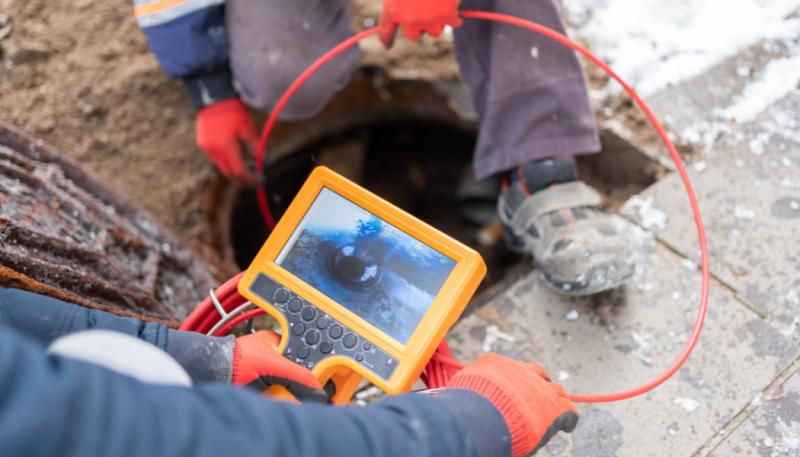
The good news is that you don't have to guess. The only way to know the true, definitive condition of your sewer line is with a professional video camera inspection. A plumber can feed a small, high-resolution camera into your sewer line and get a real-time, visual diagnosis of the entire pipe, from your house to the street.
Preventative maintenance is key to avoiding a hazardous sewer backup. A camera inspection is the ultimate preventative tool. It allows you to see the problem for yourself, whether it's a simple clog, an invasive tree root, or a fully collapsed pipe, and to make an informed, confident decision about the right solution for your home.
Post Your Ad Here
Comments