What Jewelry Trends and Care Tips Should You Know for 2025?
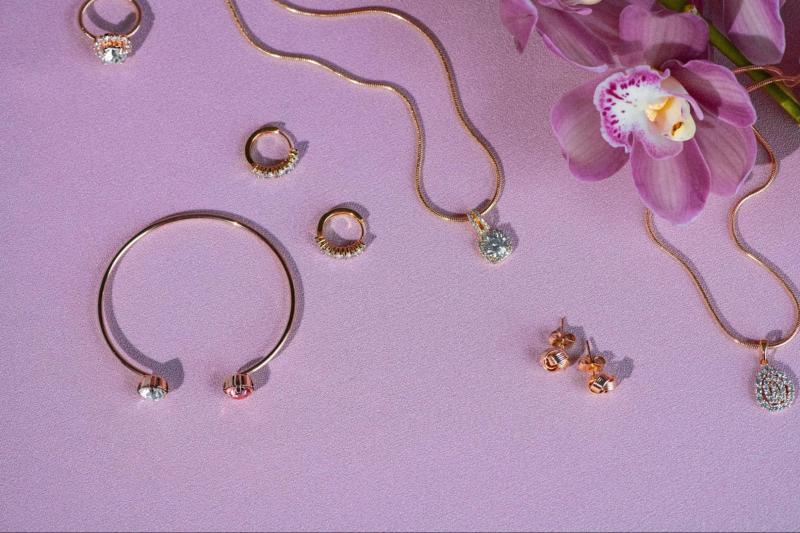
Jewelry represents far more than simple adornment. These precious pieces tell stories, mark milestones, and express individual style in ways that clothing alone cannot achieve. As trends evolve and collections grow, understanding how to select pieces that truly resonate with personal aesthetics while maintaining their beauty through proper care becomes essential knowledge for anyone who values fine jewelry. The intersection of contemporary design trends and timeless maintenance practices ensures that investments in quality pieces deliver lasting satisfaction and enduring beauty.
What Are the Hot Jewelry Trends Shaping the Coming Year?
The jewelry landscape for 2025 embraces bold self-expression while honoring classic elegance, creating exciting opportunities for personal style development. Contemporary trends reflect a departure from minimalism toward statement pieces that command attention and spark conversation, while simultaneously celebrating traditional elements reimagined through modern lenses.
Bold Statements and Sculptural Designs
Oversized hoops, chunky bracelets, and sculptural rings dominate current fashion directions, transforming jewelry from subtle accents into defining outfit elements. These pieces serve as conversation starters, allowing wearers to make powerful impressions without uttering words. The trend toward substantial jewelry reflects growing confidence in personal style expression, with individuals seeking pieces that genuinely represent their personalities rather than conforming to understated conventions.
Sculptural pendants featuring molten metal aesthetics, organic shapes, and unexpected materials create dramatic focal points. These bold necklaces work beautifully when paired with simple clothing, allowing the jewelry itself to become the outfit's centerpiece. The key involves balancing proportion—substantial jewelry demands clean, unfussy garments that provide visual breathing room rather than competing for attention.
The Return of Yellow Gold
After seasons dominated by silver and the muted palette of quiet luxury, yellow gold experiences triumphant resurgence. This warm, sun-drenched metal brings richness and vibrancy back into jewelry collections, particularly when paired with emeralds whose verdant brilliance complements gold's honeyed tones perfectly. The renewed appreciation for yellow gold reflects broader cultural shifts toward embracing warmth, optimism, and unabashed luxury.
Mixed metal jewelry gains full fashion acceptance, erasing outdated rules about coordinating all pieces within single metal tones. Contemporary styling celebrates combinations of gold and silver, rose and yellow gold, or any pleasing metal pairings. This flexibility allows greater creative freedom while making existing jewelry collections more versatile since pieces need not match perfectly to work together harmoniously.
Contemporary Takes on Classic Elements
Pearls undergo dramatic transformation, evolving from grandmother's reserved jewelry into modern statement pieces. Designers present sculptural pearl necklaces, asymmetric arrangements, and unexpected combinations pairing pearls with gemstones or metal accents. These reimagined classics feel fresh and wearable for diverse age groups and style preferences, proving that traditional elements can speak to contemporary sensibilities when approached creatively.
Celestial motifs including zodiac symbols, constellation patterns, and cosmic imagery transcend temporary trend status to become modern classics with spiritual undertones. These pieces offer intimate personalization, allowing wearers to showcase astrological connections through beautifully crafted signet rings or medallion necklaces. The appeal lies in combining personal meaning with distinctive style suitable for daily wear.
How Do You Choose a Ring That Truly Fits Your Personal Style?
Ring selection involves more than simply finding attractive designs. The perfect ring harmonizes with your lifestyle, complements your aesthetic preferences, and feels comfortable enough for regular wear while expressing something meaningful about your identity.
Understanding Ring Styles and Their Messages
Different ring styles communicate distinct aesthetic messages. Delicate, minimalist bands suggest refined elegance and understated sophistication, appealing to those who prefer subtle jewelry that integrates seamlessly into various outfits. These pieces work beautifully for individuals seeking versatile options appropriate across professional and casual contexts.
Bold statement rings featuring oversized gemstones, sculptural metalwork, or unconventional designs attract attention and declare confident personal style. These pieces suit individuals comfortable standing out and making strong visual impressions. Statement rings often become signature pieces, instantly recognizable elements of someone's personal style that friends and colleagues associate with them.
Stackable rings allow creative expression through layering multiple bands in varying widths, textures, and metals. This trend particularly appeals to those who enjoy customizing their look daily, mixing and matching rings to suit moods or outfits. The stackable approach also allows gradual collection building, with new rings added over time to expand styling possibilities.
Practical Considerations for Daily Wear
Lifestyle significantly impacts appropriate ring choices. Individuals working with their hands extensively—whether through creative pursuits, childcare, or manual labor—benefit from lower profiles that avoid snagging on materials or surfaces. Comfort remains paramount for rings intended for daily wear, as even beautiful pieces become burdensome if they pinch, catch, or feel uncomfortable during normal activities.
Metal selection affects both aesthetics and practicality. Platinum and higher-karat gold resist scratching better than softer metals, making them excellent choices for rings receiving constant wear. However, some people appreciate the patina that develops on frequently worn pieces, viewing these subtle changes as evidence of the ring's journey through life alongside its wearer.
Gemstone durability matters for everyday rings. Diamonds, sapphires, and rubies withstand daily wear exceptionally well, while softer stones like opals or pearls require more careful handling to avoid damage. Understanding these practical aspects prevents disappointment and ensures rings maintain their beauty throughout years of wear.
Should You Choose Silver or Gold Jewelry?
The classic debate between silver and gold jewelry need not result in exclusive devotion to single metal tones. Both offer distinct advantages and create different aesthetic effects, with the ideal choice depending on various personal factors including skin tone, wardrobe colors, and lifestyle considerations.
Skin Tone and Metal Harmony
Skin undertones significantly influence which metals appear most flattering. Cool undertones featuring pink or blue hues typically harmonize beautifully with silver, white gold, and platinum, which complement rather than clash with natural coloring. These metals create elegant contrast that enhances cool-toned skin without overwhelming it.
Warm undertones displaying yellow or golden hues usually pair exquisitely with yellow gold and rose gold, which echo and enhance natural warmth. The metals seem to illuminate warm-toned skin, creating radiant effects that feel cohesive and intentional. However, these traditional guidelines serve as starting points rather than rigid rules—personal preference ultimately matters most.
Neutral undertones offer maximum flexibility, allowing wearers to explore both warm and cool metals with equal success. This versatility makes mixed metal trends particularly accessible for those with balanced undertones who can effortlessly transition between gold and silver pieces.
Lifestyle and Maintenance Considerations
Silver develops tarnish when exposed to air and moisture, requiring regular cleaning to maintain its lustrous appearance. This natural oxidation process accelerates in humid environments or with exposure to chemicals, meaning silver pieces demand more frequent maintenance than gold alternatives. However, many people appreciate silver's bright white color and lower price point, finding the additional care worthwhile.
Gold resists tarnishing, maintaining its appearance with minimal intervention beyond occasional cleaning to remove accumulated oils and debris. This durability makes gold particularly appealing for individuals seeking low-maintenance jewelry that remains beautiful without constant attention. Higher-karat gold contains more pure gold content, offering superior color and tarnish resistance while being softer and more prone to scratches.
Budget considerations influence metal selection, as sterling silver typically costs significantly less than gold while still providing beautiful, substantial jewelry. This price difference allows building larger collections or acquiring more elaborate pieces when choosing silver over gold alternatives.
How Do You Properly Care for and Maintain Luxury Jewelry?
Proper jewelry care ensures pieces maintain their beauty and structural integrity through years or even generations of wear. Understanding appropriate maintenance techniques for different materials prevents damage while preserving the investment that quality jewelry represents.
Daily Care Practices That Protect Your Pieces
The golden rule of jewelry care states that pieces should be the last items put on when dressing and the first removed when undressing. This simple practice prevents exposure to cosmetics, perfumes, and hair products that can damage metals and gemstones. Lotions and perfumes contain chemicals that accelerate tarnishing in silver and can dull the appearance of various gemstones.
Remove jewelry before showering, swimming, or exercising. Water containing chlorine, salt, or harsh minerals damages most jewelry types, while sweat accelerates tarnishing processes. Similarly, avoid wearing fine jewelry during activities involving cleaning products, as household chemicals prove particularly harsh on delicate pieces.
Store jewelry properly when not wearing it. Individual soft pouches or lined jewelry boxes prevent pieces from scratching each other while minimizing air exposure that causes tarnishing. For silver, anti-tarnish storage bags or cloths significantly slow oxidation processes, reducing cleaning frequency.
Cleaning Techniques for Different Materials
Gold jewelry responds well to gentle cleaning with warm water and mild dish soap. Soak pieces briefly, then use soft-bristled brushes to remove accumulated residue from crevices and behind gemstones. Rinse thoroughly with clean water and pat dry with soft, lint-free cloths. This simple process restores gold's natural luster without requiring harsh chemicals or professional intervention.
Silver demands more attention due to tarnishing tendencies. Polishing cloths specially designed for silver provide quick solutions for light tarnish, while more stubborn discoloration responds to silver polishing creams or liquid cleaners. The aluminum foil and baking soda method offers chemical-free alternatives for cleaning silver pieces, though care must be taken with gemstone-set jewelry that might react poorly to heat or alkaline solutions.
Pearl jewelry requires exceptional gentleness since these organic gems scratch easily and suffer damage from acids and chemicals. Simply wipe pearls with soft, slightly damp cloths after wearing to remove oils and residue. Never immerse pearl strands in water, as this weakens the silk threading. Store pearls wrapped in soft cloth separate from harder jewelry that could scratch their delicate surfaces.
When to Seek Professional Maintenance
Professional cleaning every six months benefits most fine jewelry, particularly pieces with complex settings or numerous small gemstones that accumulate debris in hard-to-reach areas. Jewelers possess specialized equipment including ultrasonic cleaners that safely remove stubborn buildup without damaging delicate pieces.
Professional inspections catch potential problems before they result in lost gemstones or structural failures. Jewelers check prongs holding stones, examine clasps for wear, and assess overall piece condition. These preventive evaluations prove especially important for frequently worn items like engagement rings experiencing constant exposure to potential damage.
Replating restores jewelry featuring gold vermeil or rhodium-plated white gold that shows wear. While these processes require professional expertise, they dramatically extend jewelry lifespan by refreshing surface finishes that protect underlying metals.
What Should You Know About Buying Quality Handmade Jewelry?
Handmade jewelry offers uniqueness and craftsmanship that mass-produced pieces cannot replicate. Understanding what distinguishes quality handcrafted work helps make informed purchasing decisions that result in treasured pieces worth their investment.
Recognizing Superior Craftsmanship
Quality handmade jewelry displays clean, precise metalwork with smooth edges and well-executed joints. Solder seams should be nearly invisible, stone settings should feel secure without excessive adhesive, and overall construction should appear deliberate and professional rather than rough or amateurish. Examine pieces closely under good lighting, looking for consistency in finishing and attention to detail throughout.
Gemstone selection and setting quality significantly impact handmade jewelry value. Quality artisans source stones with good color, clarity, and cut proportions, then set them securely using appropriate techniques. Prong settings should hold stones firmly without gaps, while bezel settings should wrap stones evenly without overlapping or leaving exposed edges.
Hallmarks or maker's marks indicate precious metal content and identify the artisan, providing authenticity verification and quality assurance. Sterling silver should bear 925 stamps, while gold pieces should indicate karat content. The presence of these marks, combined with the artisan's signature or studio mark, suggests professional standards and accountability.
Understanding Artisan Techniques and Materials
Different metalworking techniques produce distinct aesthetic effects and require varying skill levels. Hand-forging creates organic, one-of-a-kind pieces with subtle variations that machine production cannot duplicate. Lost-wax casting allows intricate designs impossible through other methods, while fabrication techniques involving cutting, soldering, and assembling metal components showcase traditional goldsmithing skills.
Quality materials significantly impact finished piece longevity and appearance. Artisans committed to their craft invest in quality metals and ethically sourced gemstones, avoiding cheap alternatives that compromise durability and beauty. Questions about material sourcing and quality demonstrate buyer sophistication while encouraging artisan transparency about their supplies and practices.
Evaluating Value and Fair Pricing
Handmade jewelry prices reflect materials costs, artisan time and skill, overhead expenses, and reasonable profit margins. Understanding these factors helps assess whether pricing seems fair for the quality and complexity offered. Extremely low prices relative to materials and apparent workmanship suggest corners cut somewhere—perhaps in metal quality, gemstone authenticity, or craftsmanship standards.
Compare similar pieces from multiple artisans to develop pricing context within specific jewelry categories. Substantial price variations for comparable items warrant investigation into what accounts for differences—superior materials, more refined techniques, established reputation, or simply different business models with varying markup structures.
Support artisans whose work genuinely resonates while respecting the skill, time, and materials their pieces represent. Quality handmade jewelry provides lasting satisfaction and often appreciates in value, particularly when created by respected artisans whose work gains recognition over time.
Investing Wisely in Your Jewelry Collection
Building meaningful jewelry collections involves balancing trend awareness with timeless appeal, understanding personal style preferences while remaining open to evolution, and committing to proper maintenance that preserves pieces through years of enjoyment. The jewelry chosen today becomes tomorrow's treasured heirlooms, carrying memories and meaning across generations.
Quality consistently supersedes quantity in jewelry collecting. Fewer exceptional pieces providing genuine satisfaction serve better than drawers full of mediocre items rarely worn. Each acquisition should feel intentional and meaningful rather than impulsive, representing thoughtful consideration of how pieces complement existing collections while expanding styling possibilities.
Understanding proper care techniques ensures jewelry investments maintain their beauty and structural integrity indefinitely. The small efforts required for regular maintenance pale compared to the lasting pleasure quality pieces provide when kept in excellent condition. Professional services supplement home care for complex pieces or periodic deep cleaning that restores original brilliance.
Whether embracing bold 2025 trends through statement pieces or building foundations with classic designs, successful jewelry collecting reflects personal style while honoring the craftsmanship and materials these special objects embody. The right pieces enhance confidence, mark important moments, and bring daily joy through their beauty and the memories they carry.
Post Your Ad Here
Comments