5 Features to Look for When Choosing a Warehouse for Your Business
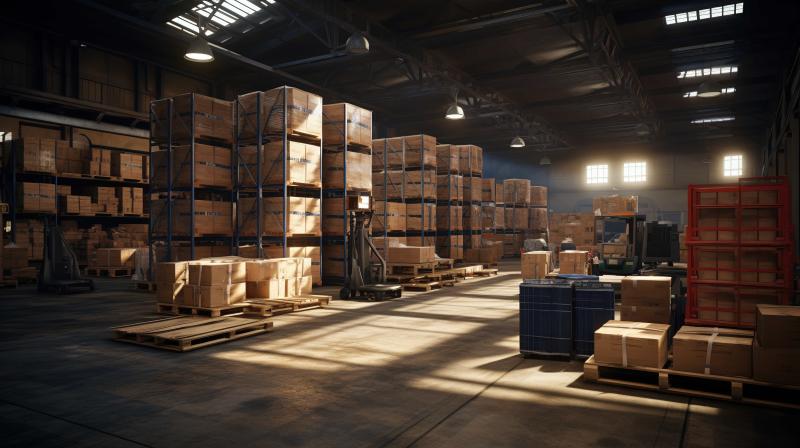
For a growing e-commerce or product-based business, the decision to outsource your warehousing and fulfillment is a massive and exciting step. It’s a sign that you are ready to scale, and it’s a chance to free yourself from the immense logistical headache of managing your own inventory, packing boxes, and shipping orders. But choosing the right third-party logistics (3PL) partner is a critical strategic decision that can make or break your customer experience and your profitability.
The search can be overwhelming, with thousands of providers to choose from. A great starting point is a specialized 3PL directory, which can help you create a shortlist of potential partners in a strategic location. But once you have that shortlist, how do you properly vet them? To find a true partner for your business, you need to go beyond the price quote and do a deep dive into their capabilities, their technology, and their culture.
Here are five features to look for in a great 3PL warehouse.
1- An Integrated Warehouse Management System (WMS)
Today, a 3PL warehouse runs on its technology. The warehouse management system (WMS) is the brain of the entire operation, and its capabilities will have a direct impact on your business's efficiency and transparency.
When you are vetting a potential partner, you must get a detailed demo of their WMS. Look for a system that offers:
Real-time, client-facing inventory visibility. You should be able to log into a portal at any time and see your exact, up-to-the-minute inventory levels.
Seamless e-commerce integrations. The WMS must be able to integrate directly and reliably with your online store, whether it’s on Shopify, WooCommerce, or another major platform.
Robust reporting and analytics. The system should provide you with the data you need to make smarter inventory decisions.
2- Proven Expertise in Your Specific Industry
Not all warehouses are created equal. A warehouse that specializes in storing industrial parts is not the right partner for a company that sells organic food products. You need a 3PL that has a deep, proven expertise in your specific niche.
If you sell food or supplements, you need a partner with a food-grade, FDA-registered facility that understands temperature control and batch tracking. If you sell high-value electronics, you need a partner with extremely high-security protocols. If you sell apparel, you need a partner who is an expert in managing returns (reverse logistics) and can handle services like re-bagging and re-tagging. Don’t be afraid to ask for a list of their current clients in your industry.
3- A Strategic and Central Location
The physical location of your warehouse has a massive impact on your shipping costs and your delivery speed. Choosing a 3PL in a strategic, central logistics hub can be a major competitive advantage.
A warehouse that is in close proximity to a major shipping carrier's hub (like FedEx or UPS) and is near the intersection of major interstate highways can allow you to offer faster, and often cheaper, shipping to a larger percentage of the country's population. This is a huge selling point for your own customers.
4- A Clear and Transparent Pricing Model
3PL pricing can be notoriously complex, and it’s crucial that you understand every single line item on a quote to avoid any surprise charges. A great partner will be completely transparent about their pricing.
Ask for a detailed, itemized quote that clearly breaks down all the potential fees, which will typically include receiving fees (per pallet or per hour), storage fees (per pallet or per bin, per month), order fulfillment fees (a "pick and pack" fee per order and per item), and shipping fees. Watch out for any hidden fees, like a monthly account management fee.
5- A Culture of Partnership and Communication
Finally, remember that you are not just hiring a vendor; you are hiring a critical, long-term partner who will be a direct extension of your own team. The quality of your communication and your relationship with them is paramount.
During the vetting process, ask who your dedicated account manager will be. Check their references and ask other clients about the provider's responsiveness and their willingness to solve problems.
Choosing a 3PL partner is a major decision. By taking the time to conduct this thorough due diligence, you can find a true strategic partner that will be a powerful engine for your company's growth.
Post Your Ad Here
Comments