How Scaffolding Tags and Holders Protect Lives and Legal Standing
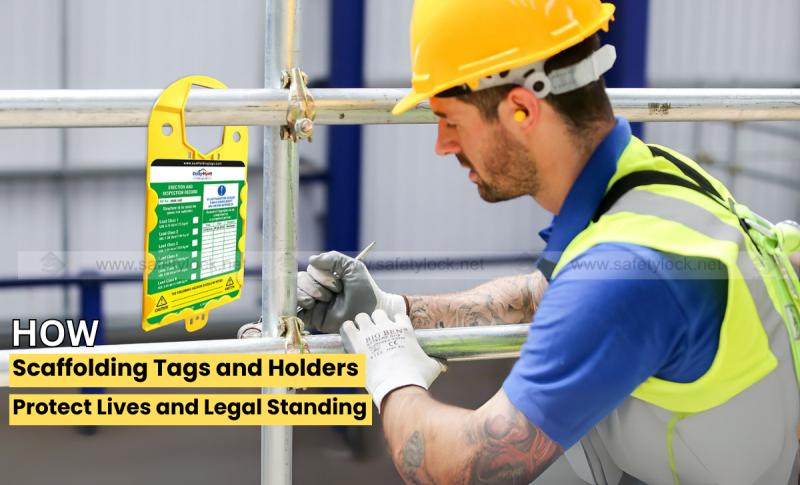
In the high-risk world of construction and
industrial maintenance, scaffolding is a lifeline - but only when it’s properly
inspected, maintained, and clearly marked. Scaffolding tags and holders may
seem like small accessories, but they play a pivotal role in safeguarding lives
and ensuring legal compliance. These simple tools act as visual gatekeepers,
communicating critical safety information that can mean the difference between
a secure workday and a catastrophic accident.
The Life-Saving Function of Scaffolding Tags
Every scaffold erected on a job site carries
inherent risks. Whether it’s due to weather exposure, structural fatigue, or
improper assembly, scaffolds must be regularly inspected to ensure they remain
safe for use. Scaffolding tags - typically color-coded and placed in holders at
access points - serve as immediate indicators of a scaffold’s status:
·
Green tags signal that the scaffold is safe and has passed inspection.
·
Yellow tags indicate restricted use or specific conditions (e.g., partial
completion or limited load capacity).
·
Red tags warn that the scaffold is unsafe and must not be used.
This clear, visual system helps prevent
unauthorized access and ensures that workers are informed before stepping onto
elevated platforms. In fast-paced environments, where verbal communication can
be missed or misunderstood, tags provide a consistent and visible safety
checkpoint.
Legal Protection Through Documentation and Visibility
Beyond physical safety, scaffolding tags and
holders serve a vital legal function. Regulatory bodies such as OSHA
(Occupational Safety and Health Administration) in the U.S., and similar
agencies worldwide, mandate regular scaffold inspections and proper
documentation. Tags are not just visual cues - they’re part of a documented
safety protocol.
Each tag typically includes:
·
Inspection date and
time
· Inspector’s name or ID
·
Notes on scaffold
condition or limitations
This information creates a paper trail that can be
critical in the event of an audit, incident investigation, or legal dispute. If
a worker is injured on a scaffold, the presence (or absence) of a tag can
determine liability. A properly tagged scaffold shows that safety protocols
were followed, inspections were conducted, and risks were communicated -
helping protect companies from negligence claims and regulatory penalties.
Holders: The Unsung Heroes of Tagging Systems
While tags get most of the attention, ScaffoldingTag holders are equally important. These durable frames are
mounted at scaffold entry points and designed to withstand harsh conditions -
rain, dust, UV exposure, and physical impact. A tag without a holder can easily
be lost, damaged, or overlooked. Holders ensure that tags remain visible,
secure, and legible throughout the scaffold’s lifecycle.
Some advanced holders even feature locking
mechanisms or tamper-proof designs, adding an extra layer of accountability. In
multilingual or global job sites, holders can also accommodate bilingual tags
or pictograms, ensuring clarity across language barriers.
The ROI of Safety and Compliance
Investing in scaffolding tags and holders isn’t
just about avoiding accidents - it’s about building a culture of
accountability. When workers see that safety is taken seriously, they’re more
likely to follow protocols, report issues, and engage in responsible behavior.
This reduces downtime, improves morale, and enhances your company’s reputation.
From a legal standpoint, proactive tagging systems
demonstrate due diligence. They show regulators, insurers, and clients that
your organization prioritizes safety - not just in words, but in practice.
Final Thoughts
Scaffolding tags and holders may be small, but their impact is enormous. They protect lives by preventing unsafe access, and they protect legal standing by documenting compliance. In an industry where one misstep can lead to tragedy or litigation, these tools are not optional - they’re essential.
Whether you're a site manager, safety officer, or
business owner, investing in a robust tagging system is one of the simplest,
most effective ways to uphold safety and accountability. Because when it comes
to scaffolding, visibility isn’t just helpful - it’s lifesaving.
Post Your Ad Here
Comments