Know the Health and Flammability Hazards Of Cryogenic Liquids
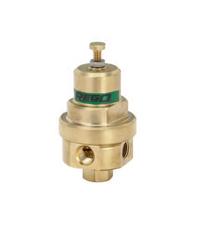
Cryogenic liquids, as their name suggests, are extremely cold having boiling points below -150 °C (- 238°F). The gases & vapors released from cryogenic liquids are also very cold that they condense the moisture in air creating a dense fog. To deal safely with the ‘compressed gases’, as they are also named so, it is important to operate the cryogenic regulators properly as these pressure regulators can minimize the risks associated with the gases.
Health Hazards
The liquids are dominantly known to cause three groups of health hazards:
Asphyxiation Hazard: The gas formed from cryogenic
liquids is usually heavier than air which does not dispense and can accumulate
near the floor. It displaces air. The lack of enough air or oxygen causes asphyxiation
or even death.
Extreme Cold Hazard: Constant exposure to cryogenic gases
can cause cold burns on the skin which are similar to thermal burns. Even brief
exposures can cause damage to the delicate tissues such as eyes. In extreme
cases, one may also suffer from frostbite. A more dangerous situation occurs
when an unprotected skin sticks to a metal that is cooled by this gas which can
tear when pulled away.
Toxic hazard: Each gas in a compressed state
(cryogen) can release large quantities of toxic gases which can result in fatal
incidents. Example – Liquid carbon monoxide releases large quantities of carbon
monoxide gas that is highly dangerous.
Flammability Hazards
Flammability hazards are
caused in unfavorable conditions & can cause severe hazards.
Liquid O2 Hazard: Liquefied oxygen contains 4000 times
more volume of oxygen than breathable air. The non-combustible and many organic
materials have the potential to react explosively in the presence of liquid
oxygen.
Fire Hazard: Certain flammable gases such as methane,
liquefied natural gas, hydrogen
and carbon monoxide can explode.
Hydrogen is particularly more dangerous. It can form flammable mixtures with
air in different concentration levels (4% to 75% by volume).
Rapid Expansion
Hazard: Lack of
properly functioning pressure relief devices or adequate venting, causes high
pressure build-up which can result into "boiling liquid expanding vapor
explosion" (BLEVE). The pressure is too much that the pressure regulators
may not be able to handle it. To avoid this, another backup device such as a
frangible (bursting) disc must be placed in the containers.
Oxygen-enriched Air
Hazard: Surfaces
cooled by liquid hydrogen and liquid helium causes liquid air to condense. This
causes rapid evaporation of Nitrogen than Oxygen and leaves behind a liquid air
mixture which gives a high concentration of oxygen on evaporation.
Post Your Ad Here
Comments