All You Should Know About Pressure Regulating Valves
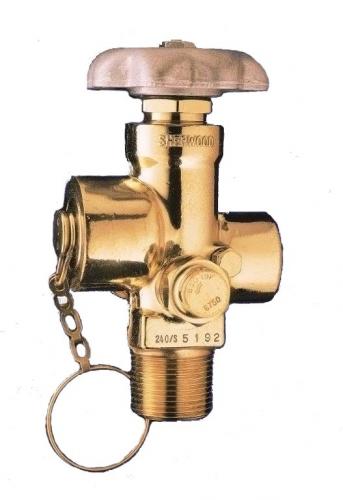
A combination of a control device and a flow compensator is a type of flow control device that is called as a pressure regulating valve. The compensator orifice controls the flow rate across the control orifice. Managing pressure has become a very crucial tool for safety and controlling leakages in pipelines. Pressure is controlled with pressure regulating valves that has a single pressure reducing set point or the pressure flow can be modulated on the device over a wide range of points.
Direct acting valves
Relief valves : systems that are designed to work within a preset pressure range use relief valves. Relief valves safeguard the surge in pressure that the fluid or gas may exert on the operating system thereby avoid hazards.
Cracking pressure and differential pressure: these two functions in a pressure device ensure the safe functioning of the system. The cracking pressure is the pressure at which the relief valve opens and allows the gas/liquid to flow through the orifice. When the orifice is open completely, it is called the full flow pressure. The difference between these two pressures is known as the pressure override or the differential pressure.
Relief valves are of two types, direct acting valve which is made up of a ball or poppet and spring, which controls the device by the direct action of the contents. When the system exerts pressure, the spring unseats the ball, permitting fluid/gas to pass till the pressure on the valve is maintained. When the system pressure drops, when enough fluid/gas has passed, then the spring springs back and the orifice is closed.
Valves with built-in regulators
The BV series valves are designed for large capacity cylinders with integrated regulator that reduces the pressure at the outlet to 700 psi for a cylinder with 4500 psi pressure. The BV series pressure regulating valve is used in inert gas and oxygen service.
All about BV series pressure regulating valves
The pressure regulating valve has a simple design, but great functionality for hi/low pressure regulation. It is made up of (starting from top to bottom), handwheel nut, handwheel spring, handwheel washer, bonnet, packing, stem and tang assembly, plug and seat assembly, piston and spring assembly, plug assembly, safety plug assembly and safety cap assembly. The body and bonnet is constructed of brass C377000, the filter is sintered bronze, plug seat is nylon zytel, naval brass with ptfe coating. The springs are made from hard drawn spring steel cadium or zinc plated with washer and handwheel from high density gray paraffin coated fiber.
What features to look for in a hi/lo valve with built in regulator
- The dual outlets enable the same valve to be used for high and low working pressure cylinders
- Helps in quick filling as no special adapters for filling or withdrawal are required
- The integrated stainless steel tang prevents internal stem breakage
- The lower plugs are made of material that are wear resistant like naval brass
- The threaded chamber protects the valve body from damage and offers a longer life
- Leak fee stem seat and ptfe packing makes it corrosion resistant
- The PRD should be tested at pressure that are 1/5 times of the working pressure to ensure safety
- The high pressure outlet plug should be removable
According to the application, choose the pressure regulating valve that offers not only safety but durability as well. Valves that are approved by UL should be purchased for the precise functioning of the operating system. Many companies manufacture pressure regulating valves, choose the ones that are made in the USA and confirm to the CGA standards.
About the author
The author is a consultant to valve manufactures across the USA.
Post Your Ad Here
Comments