Power Quality Analysis vs Energy Audits What is the Difference and Which One Do You Need?
In today’s industrial, commercial, and infrastructure-driven environments, electrical reliability and energy efficiency are no longer optional; they are essential. Facilities across sectors such as manufacturing, utilities, commercial buildings, and even agricultural operations rely heavily on accurate testing and inspection services to maintain performance, safety, and compliance. Two commonly discussed services in this space are power quality analysis and energy audits. While they are often mentioned together, they serve very different purposes. Understanding these differences is critical to making the right decision for your facility.
At Cornerstone Middle East, testing and inspection services are designed to help organizations identify electrical risks, inefficiencies, and compliance gaps through structured, data-driven assessments. This blog explores the core differences between Power Quality Analysis and energy audits, how each fits into professional testing and inspection practices, and which one you actually need.
Understanding Power Quality Analysis in Testing and Inspection
Power Quality Analysis is a specialized electrical testing and inspection service focused on evaluating the quality and stability of electrical power within a system. It examines how electricity behaves in real operating conditions, identifying disturbances that can affect equipment performance, safety, and lifespan.
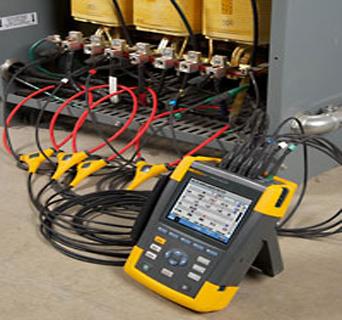
During a professional Power Quality Analysis, engineers use advanced instruments to monitor parameters such as voltage fluctuations, harmonics, transients, power factor, frequency variations, and unbalanced loads. These issues are often invisible during routine inspections but can cause equipment overheating, unexplained shutdowns, data loss, and premature equipment failure.
From a testing and inspections perspective, Power Quality Analysis is diagnostic and preventive. It helps facilities understand why electrical problems are occurring, not just that they exist. Cornerstone Middle East applies this approach to support industrial plants, commercial facilities, and critical infrastructure where electrical disturbances can lead to costly downtime or safety hazards.
What Is an Energy Audit and How Does It Differ?
An energy audit, on the other hand, is primarily focused on energy consumption and efficiency. It evaluates how energy is used across a facility and identifies opportunities to reduce waste, lower operating costs, and improve sustainability. While energy audits are an important part of facility management, they fall under performance optimization rather than electrical diagnostics.
Energy audits typically involve reviewing utility bills, inspecting major energy-consuming systems such as HVAC, lighting, and motors, and recommending efficiency improvements. The objective is cost savings and reduced energy consumption, not necessarily identifying electrical disturbances or power reliability issues.
From a testing and inspections standpoint, energy audits are broader and less technical compared to power quality analysis. They answer the question, “Where is energy being wasted?” rather than “Is the electrical supply stable and safe for sensitive equipment?”
Key Differences Between Power Quality Analysis and Energy Audits
The fundamental difference lies in focus and depth. Power Quality Analysis concentrates on electrical integrity, system behavior, and risk identification. It is deeply technical and relies on real-time measurements and waveform analysis. Energy audits are more strategic and consumption-focused, emphasizing operational efficiency.
Another important distinction is risk management. Power Quality Analysis helps identify conditions that can cause equipment damage, safety incidents, or regulatory non-compliance. Energy audits focus on financial and environmental performance. Cornerstone Middle East often advises clients that while both services are valuable, they address entirely different operational concerns.
Why Power Quality Analysis Is Critical for Modern Facilities
Modern facilities rely on sensitive electronics, automation systems, variable frequency drives, and digital control equipment. These technologies are highly vulnerable to power disturbances. Without proper Power Quality Analysis, issues such as harmonic distortion or voltage sags can remain undetected until a major failure occurs.
As part of structured testing and inspections, Power Quality Analysis helps ensure compliance with international electrical standards, supports root cause analysis after failures, and improves system reliability. Cornerstone Middle East integrates these assessments into comprehensive inspection programs to help organizations maintain uptime and operational safety.
In sectors like manufacturing, utilities, data centers, and even large-scale agricultural operations, electrical quality directly impacts productivity. Poor power quality can lead to increased maintenance costs, unplanned outages, and safety risks, making Power Quality Analysis a proactive investment rather than a reactive expense.
When an Energy Audit Is the Right Choice
Energy audits are ideal when the primary goal is reducing energy costs or meeting sustainability targets. If a facility experiences high utility bills but no noticeable electrical failures, an energy audit can highlight inefficiencies and recommend improvements.
However, it is important to understand that energy audits do not replace electrical testing and inspections. They do not measure harmonics, transient events, or power stability. Cornerstone Middle East often recommends energy audits as a complementary service rather than a substitute for Power Quality Analysis.
Choosing the Right Service: What Do You Actually Need?
The choice between power quality analysis and an energy audit depends on your facility’s challenges. If you are facing unexplained equipment failures, frequent tripping, overheating, or compliance concerns, Power Quality Analysis is the appropriate solution. It provides actionable technical data that can prevent serious operational risks.
If your concern is energy efficiency, sustainability reporting, or reducing operational costs, an energy audit may be sufficient. In many cases, facilities benefit most from a phased approach starting with Power Quality Analysis to ensure electrical reliability, followed by an energy audit to optimize performance.
Cornerstone Middle East supports this integrated approach by aligning testing and inspection services with the actual operational risks and goals of each client.
The Role of Testing and Inspections in Long-Term Reliability
Testing and inspections are not one-time activities. Electrical systems evolve, loads change, and new equipment is added. Regular Power Quality Analysis ensures that systems remain stable over time, while energy audits track performance improvements and efficiency gains.
By embedding these services into a long-term asset management strategy, organizations can reduce downtime, extend equipment life, and maintain regulatory compliance. Cornerstone Middle East emphasizes data-driven testing and inspections to support informed decision-making across industries.
Final Thoughts
While power quality analysis and energy audits are often confused, they serve distinct and equally important roles. One focuses on electrical health and risk prevention, the other on energy efficiency and cost optimization. Understanding the difference allows facility managers and decision-makers to invest wisely.
For organizations that prioritize safety, reliability, and compliance, Power Quality Analysis is an essential testing and inspection service. When combined thoughtfully with energy audits, it creates a robust foundation for efficient, resilient, and future-ready operations, exactly the approach championed by Cornerstone Middle East.
Post Your Ad Here
Comments