Comprehensive Insights from a Leading HVAC Inspection Company
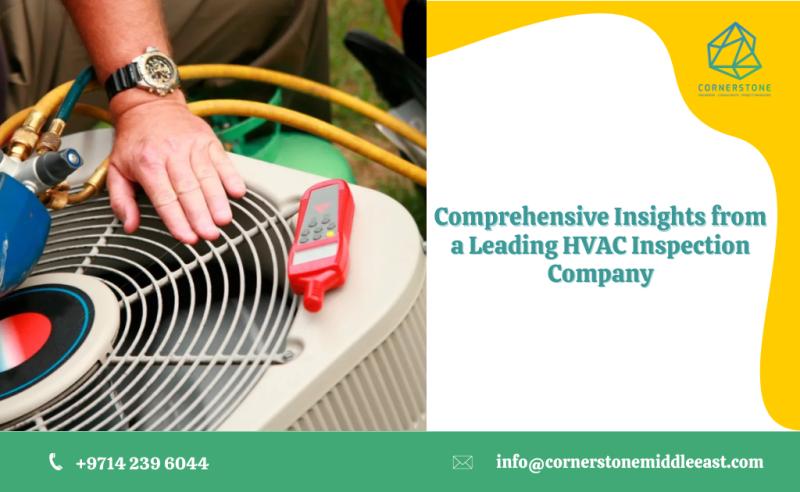
Maintaining an HVAC system is crucial for comfort, safety, and efficiency in residential, commercial, and industrial buildings. The role of a professional HVAC inspection company goes beyond simple maintenance; it ensures that heating, ventilation, and air conditioning systems operate safely, efficiently, and in compliance with regulations. Regular inspections prevent unexpected failures, reduce energy costs, and extend the lifespan of equipment.
Modern HVAC systems are complex, combining multiple components such as compressors, condensers, fans, air handlers, and duct networks. Without professional inspections, minor issues can escalate into costly repairs, system downtime, or safety hazards. A skilled HVAC inspection company provides comprehensive testing, evaluation, and reporting to keep systems in peak condition, offering peace of mind to building owners and facility managers.
The Scope of HVAC Inspections
A reputable HVAC inspection company covers all aspects of system performance, including:
Visual Inspections:
Technicians examine all HVAC components for signs of wear, corrosion, leaks, or mechanical damage. They inspect ductwork for loose connections, water leaks, and mold growth, which could affect air quality and efficiency.System Testing:
Using advanced diagnostic tools, inspectors measure airflow, temperature differentials, refrigerant levels, and electrical performance. Testing identifies inefficiencies, abnormal operating conditions, and potential failures before they impact the building.Safety Evaluations:
HVAC systems involve electricity, gas, and refrigerants, all of which pose safety risks if not properly maintained. Inspectors check electrical connections, gas pipelines, pressure valves, and refrigerant levels to prevent fires, leaks, or carbon monoxide hazards.Regulatory Compliance Checks:
Commercial and industrial buildings must comply with local codes and environmental standards. Professional inspections ensure that HVAC systems meet these requirements, avoiding legal penalties and operational restrictions.Performance Optimization:
Beyond identifying problems, an HVAC inspection company provides actionable recommendations to enhance efficiency and prolong equipment life. This may include system calibration, filter replacement, duct sealing, or component upgrades.
Detailed Testing Techniques Used by HVAC Inspection Companies
Professional inspections involve multiple testing and diagnostic methods to ensure HVAC systems function efficiently:
Airflow and Pressure Measurement:
Airflow tests ensure consistent and balanced distribution throughout the building. Pressure measurements in ductwork help detect leaks, blockages, or improperly sized components that reduce efficiency.Thermal Imaging and Infrared Scanning:
This technique detects temperature variations, heat losses, and insulation failures in HVAC equipment or building envelopes. Thermal imaging can reveal hidden problems such as clogged coils or duct leaks.Refrigerant Level Testing:
Low refrigerant levels can significantly reduce cooling efficiency and damage the compressor. An HVAC inspection company measures refrigerant levels and inspects for leaks to ensure proper operation and environmental compliance.Electrical System Testing:
Technicians examine wiring, circuit breakers, and motors to prevent electrical hazards. Electrical testing ensures safe and consistent operation while preventing unexpected shutdowns.Combustion Analysis:
For systems using gas, inspectors measure combustion efficiency and check for carbon monoxide emissions. This is crucial for safety and compliance with environmental standards.Noise and Vibration Analysis:
Abnormal noises or vibrations often indicate mechanical issues, such as loose fan blades, misaligned motors, or failing bearings. Detecting these problems early can prevent larger mechanical failures.
Case Study: Preventing Major Failures
A commercial building in Dubai faced frequent air conditioning breakdowns during peak summer months. Engaging a professional HVAC inspection company revealed multiple issues:
Leaking refrigerant lines reducing cooling efficiency
Partially blocked air ducts causing uneven airflow
Electrical connection faults leading to intermittent system shutdowns
After a comprehensive inspection and corrective measures—including duct cleaning, refrigerant refilling, and electrical repairs—the building achieved optimal cooling performance. Energy bills decreased by 18%, and system downtime was eliminated during critical summer months. This case demonstrates the tangible benefits of engaging a skilled HVAC inspection company for proactive maintenance.
Choosing the Right HVAC Inspection Company
Selecting the right HVAC inspection company ensures accurate evaluations and quality service. Key considerations include:
Certified and Experienced Technicians:
Choose a company with skilled professionals certified in HVAC inspection, testing, and maintenance across various building types.Comprehensive Services:
The company should offer complete inspection services, including safety checks, energy efficiency assessments, component testing, and compliance verification.Advanced Diagnostic Tools:
Modern testing equipment, thermal imaging cameras, airflow meters, and refrigerant analyzers improve accuracy and provide in-depth analysis.Clear and Transparent Reporting:
A reliable HVAC inspection company delivers detailed reports highlighting system condition, deficiencies, and recommended corrective measures.Proactive Maintenance Plans:
Companies offering scheduled inspections and predictive maintenance help prevent breakdowns, reduce repair costs, and maintain uninterrupted system performance.
Benefits of HVAC Inspections for Different Clients
Commercial and Industrial Buildings:
Commercial facilities often rely heavily on HVAC systems for occupant comfort, productivity, and operational efficiency. An HVAC inspection company provides:
Energy Audits: Identify areas of inefficiency and provide actionable recommendations to reduce energy costs.
Regulatory Compliance: Ensure systems meet safety and environmental standards, avoiding legal penalties.
Predictive Maintenance: Schedule timely maintenance to prevent unexpected downtime and maintain critical operations.
Custom Solutions: Tailored recommendations for system upgrades, energy-saving modifications, and component replacements.
Industrial facilities with large-scale HVAC operations benefit from specialized inspections focused on safety compliance, operational efficiency, and environmental impact reduction.
Residential Properties:
Homeowners also gain substantial benefits from professional HVAC inspections:
Prevent Sudden Failures: Routine inspections reduce the risk of system breakdowns during extreme weather.
Lower Energy Costs: Correcting inefficiencies in components such as compressors, fans, or ducts reduces utility bills.
Healthier Indoor Environment: Cleaning ducts and filters removes dust, allergens, and mold, improving air quality.
Peace of Mind: Professional inspections ensure that home systems operate safely and reliably.
Advanced Technologies in HVAC Inspections
Modern HVAC inspection companies leverage advanced technologies to improve accuracy and efficiency:
IoT Sensors and Smart Monitoring: Real-time monitoring of temperature, pressure, and energy consumption helps detect issues before they affect performance.
Predictive Analytics: Using data from inspections and sensors, companies can predict system failures and schedule maintenance proactively.
Drone and Robotic Inspections: For large commercial or industrial buildings, drones and robots provide access to hard-to-reach HVAC components, allowing comprehensive inspections without disrupting operations.
Long-Term Advantages of Engaging an HVAC Inspection Company
Regular engagement with a professional HVAC inspection company offers numerous long-term benefits:
Cost Savings: Early detection and maintenance prevent expensive repairs or system replacements.
Energy Efficiency: Optimized systems reduce energy consumption, resulting in lower bills and reduced carbon footprint.
Extended System Life: Proper care prolongs the lifespan of HVAC equipment.
Safety Assurance: Regular inspections minimize risks of fire, gas leaks, or carbon monoxide exposure.
Operational Reliability: Continuous monitoring and maintenance ensure uninterrupted comfort and productivity.
Conclusion
Engaging a professional HVAC inspection company is an investment in safety, efficiency, and reliability. Through detailed inspections, testing, and reporting, these companies ensure HVAC systems operate at peak performance, prevent unexpected failures, and maintain compliance with industry standards.
Whether for residential, commercial, or industrial applications, regular inspections help detect problems early, improve energy efficiency, enhance indoor air quality, and extend equipment life. From advanced diagnostic tools to predictive maintenance strategies, a qualified HVAC inspection company provides actionable insights and solutions for long-term system reliability.
Choosing a trusted HVAC inspection company is not just about fixing problems—it’s about preventing them, optimizing performance, and ensuring that your heating, ventilation, and air conditioning systems support comfort, safety, and operational excellence year-round.
Post Your Ad Here
Comments