Duct Leakage Test: Ensuring Optimal HVAC Performance and Energy Efficiency
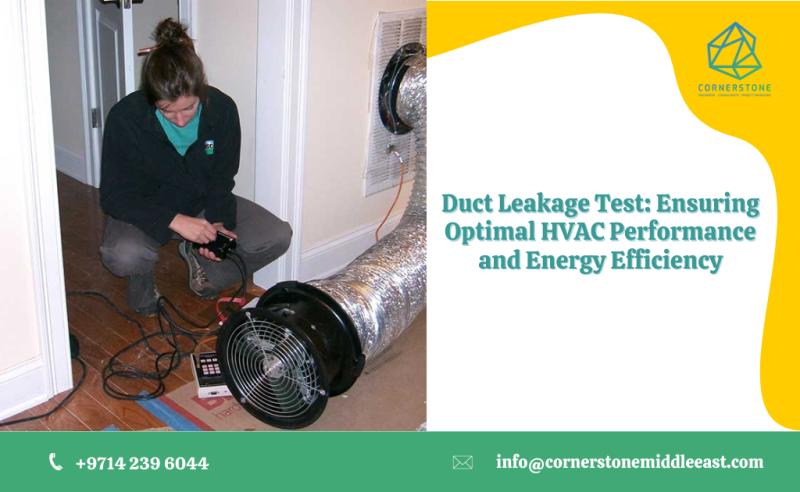
Maintaining a building’s HVAC system is crucial for comfort, air quality, and energy efficiency. One of the most essential procedures in HVAC maintenance and building inspections is the duct leakage test. This process evaluates the integrity of air distribution systems, identifies leaks, and ensures that conditioned air reaches its intended destinations efficiently. A properly conducted duct leakage test can significantly reduce energy consumption and improve indoor air quality.
Understanding the Duct Leakage Test
A duct leakage test measures the amount of air that escapes from a building’s ductwork. Air ducts are responsible for delivering heated or cooled air throughout a building, and any leaks can result in energy loss, uneven temperature distribution, and higher operational costs. The duct leakage test helps facility managers, contractors, and building owners understand the performance of their HVAC systems. By identifying and sealing leaks, the efficiency of the system can be improved, leading to cost savings and a more comfortable environment.
Importance of Conducting a Duct Leakage Test
The benefits of a duct leakage test go beyond energy savings. Leaks in the ductwork can allow dust, pollutants, and allergens to enter the HVAC system, compromising indoor air quality. Additionally, excessive leakage can place unnecessary strain on HVAC equipment, reducing its lifespan and increasing maintenance requirements. A duct leakage test provides accurate data to make informed decisions about repairs, upgrades, and preventive maintenance, ensuring that the HVAC system operates at peak performance.
The Process of a Duct Leakage Test
A duct leakage test is typically conducted using specialized equipment. The testing process involves sealing off the supply and return ducts, pressurizing the system, and measuring the amount of air that escapes. This can be done using a duct blaster, which provides precise readings of leakage levels. The results are then compared against industry standards to determine if the system meets performance requirements. Any detected leaks can be repaired by sealing joints, connections, and penetrations to restore system efficiency.
Types of Duct Leakage Tests
There are several methods used to conduct duct leakage tests, each suitable for different building types and requirements. The two most common approaches are:
Total Leakage Test: This method measures all the leaks in the duct system, including those inside the conditioned space. It provides a comprehensive overview of the system’s performance.
Leakage to Outside Test: This test focuses on leaks that allow conditioned air to escape directly outside the building, which has a direct impact on energy efficiency and HVAC performance.
Choosing the appropriate method depends on the building design, system complexity, and energy efficiency goals.
Standards and Guidelines
Duct leakage testing is governed by established industry standards, such as those outlined by the Air Conditioning Contractors of America (ACCA) and other building performance guidelines. These standards define acceptable leakage levels, testing procedures, and reporting formats. Adhering to these standards ensures that the duct leakage test results are reliable and can be used for certification, compliance, or energy audit purposes.
Common Causes of Duct Leaks
Leaks in duct systems can occur due to various reasons. Poorly sealed joints, damaged duct materials, loose fittings, and wear over time are common causes. Construction defects and modifications made after installation can also create new leakage points. Identifying these causes during a duct leakage test helps in planning effective repairs and improving overall system reliability.
Benefits of Addressing Duct Leaks
Once leaks are identified through a duct leakage test, sealing them provides multiple benefits. Energy consumption can be reduced by ensuring that conditioned air reaches the intended spaces efficiently. HVAC equipment operates more effectively, reducing wear and extending the system’s lifespan. Improved air distribution also enhances indoor comfort and maintains consistent temperatures throughout the building. Additionally, reducing leaks minimizes the infiltration of dust and pollutants, contributing to healthier indoor air quality.
Integration with Building Inspections
Duct leakage testing is often integrated into broader building inspection and performance evaluation programs. Professionals conducting building inspections assess HVAC systems, electrical systems, water penetration, and other components to ensure overall building integrity. Including duct leakage testing in these inspections provides a comprehensive view of system performance and helps facility managers prioritize maintenance and upgrades.
Choosing a Professional Service Provider
Conducting a duct leakage test requires expertise, proper equipment, and knowledge of industry standards. Engaging a professional service provider ensures accurate testing, reliable results, and effective recommendations for repairs. Experienced providers can also offer additional services such as HVAC balancing, energy audits, and performance verification, helping building owners achieve long-term energy efficiency and system reliability.
Case Study: Improving Building Efficiency
In practice, a duct leakage test can reveal significant energy losses in commercial buildings. For example, in a recent project, a professional inspection identified multiple leaks in the HVAC ductwork of a large office building. After sealing the leaks, the building experienced improved air distribution, reduced energy costs, and enhanced indoor comfort. Such examples highlight the practical importance of conducting regular duct leakage tests and addressing issues promptly.
Conclusion
The duct leakage test is an essential procedure for maintaining HVAC efficiency, ensuring occupant comfort, and reducing energy consumption. By identifying leaks and providing actionable recommendations, this test helps building owners and facility managers optimize system performance, extend equipment lifespan, and improve indoor air quality. Integrating duct leakage testing into regular inspection and maintenance programs ensures that buildings operate safely, efficiently, and sustainably. Regular testing, professional assessment, and prompt repairs are key to achieving reliable HVAC performance and long-term energy savings.
Performing a duct leakage test is not just about compliance—it is about creating a more comfortable, cost-effective, and sustainable environment for building occupants. Investing in regular testing and professional inspections allows building owners to make informed decisions, improve system reliability, and support sustainable building practices.
Post Your Ad Here
Comments