Precision in Performance: The Future of HVAC Testing and Commissioning for Efficient Building Systems
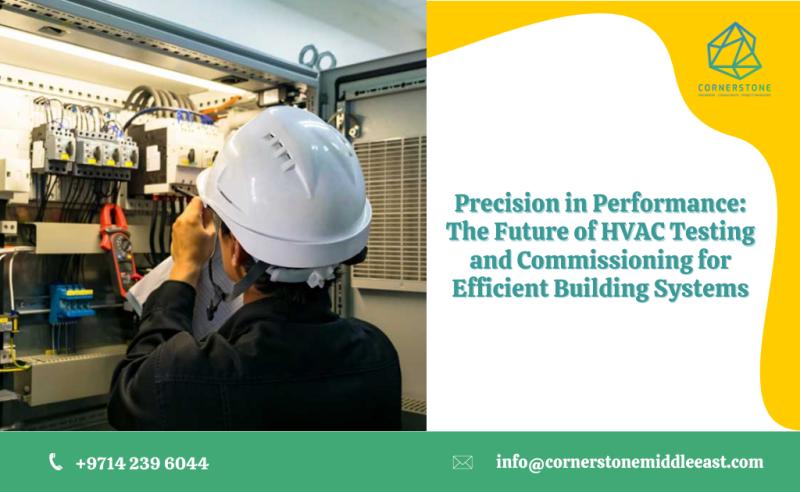
In the modern era of smart infrastructure and energy-efficient buildings, HVAC testing and commissioning have become a cornerstone for ensuring that mechanical systems perform at their best. The entire process of HVAC testing and commissioning revolves around verifying, adjusting, and documenting that all heating, ventilation, and air conditioning systems operate as intended. When executed effectively, it enhances occupant comfort, reduces energy waste, and extends the life of equipment.
Taking inspiration from trusted industry experts like Cornerstone Middle East, this article explores the importance, process, and impact of HVAC testing and commissioning in today’s built environment, emphasizing its role in maintaining high-quality standards across complex mechanical systems.
Understanding the Core of HVAC Testing and Commissioning
HVAC testing and commissioning refer to a detailed process that validates the design, installation, and functionality of HVAC systems in a building. It ensures that the system’s performance aligns with the project’s specifications, energy standards, and safety requirements.
The procedure begins once the HVAC system installation is completed. It includes performance testing, air balancing, equipment calibration, and verifying that all controls are functioning properly. The goal is not only to meet the design intent but also to optimize system efficiency for long-term reliability.
In commercial and industrial facilities, HVAC testing and commissioning provide assurance that heating and cooling systems maintain proper airflow, temperature control, and humidity levels—essential for both human comfort and equipment protection.
The Importance of HVAC Testing and Commissioning in Modern Infrastructure
The value of HVAC testing and commissioning lies in its direct impact on energy consumption, operational efficiency, and sustainability. Many modern buildings rely on automated HVAC systems that are interconnected through building management systems (BMS). Without proper commissioning, even advanced systems can fail to achieve expected performance levels.
Key benefits include:
Enhanced Energy Efficiency: Proper calibration and balancing of HVAC components ensure minimal energy loss and improved operational performance.
Reduced Maintenance Costs: Early identification of installation errors and system inefficiencies reduces future repair costs.
Improved Indoor Air Quality: Testing ensures that ventilation rates meet health and comfort standards.
Long-Term Reliability: Verified systems experience fewer operational issues, extending equipment lifespan.
Organizations like Cornerstone Middle East emphasize HVAC testing and commissioning as a vital step in maintaining sustainable and compliant building environments, particularly across large-scale commercial and industrial projects.
Step-by-Step Process of HVAC Testing and Commissioning
The process involves a series of carefully structured phases designed to confirm every system component’s functionality and performance.
1. Pre-Commissioning Phase
Before testing begins, engineers review design documents, manufacturer specifications, and system drawings. This stage ensures that the installation follows approved plans and that all mechanical, electrical, and control systems are ready for inspection.
2. Functional Testing
During this phase, technicians perform operational checks on each HVAC component—fans, pumps, chillers, air handling units, and ductwork. Testing verifies that the system operates within acceptable parameters under varying load conditions.
3. Air and Water Balancing
Balancing ensures that air and water flow rates meet design criteria. Using specialized instruments, engineers measure and adjust air volumes and water pressures to achieve even distribution throughout the building.
4. Control System Verification
Modern HVAC systems are heavily reliant on automation. The testing and commissioning team verifies that sensors, thermostats, and control software respond accurately and maintain stable indoor environments.
5. Documentation and Reporting
Every test result is recorded and compiled into detailed commissioning reports. These documents serve as proof of compliance and future reference for maintenance teams.
Through these systematic stages, HVAC testing and commissioning validate that every aspect of the system works cohesively for optimal comfort and efficiency.
The Role of Testing and Inspections in System Reliability
In the field of mechanical engineering and building management, testing and inspections are essential for system validation. Regular inspections ensure that the system not only performs correctly during initial commissioning but continues to operate efficiently over time.
Inspection processes involve reviewing the cleanliness of air ducts, verifying equipment calibration, checking insulation quality, and monitoring control settings. This prevents small inefficiencies from turning into major system failures.
HVAC testing and commissioning are not one-time events—they represent an ongoing commitment to maintaining operational excellence. For organizations managing multiple properties, periodic inspections and re-commissioning play a vital role in sustaining long-term energy efficiency and indoor comfort standards.
Challenges in HVAC Testing and Commissioning
Despite its importance, HVAC testing and commissioning often face several challenges during execution. Common issues include incomplete documentation, design discrepancies, or limited coordination between contractors and engineers.
Some systems may also fail initial tests due to improper installation or component mismatches. Addressing these challenges requires clear communication, skilled personnel, and adherence to international standards.
Companies like Cornerstone Middle East highlight the importance of experienced commissioning engineers and well-structured methodologies to ensure consistency across all projects. The integration of digital tools and advanced measurement technologies has also improved the accuracy and speed of HVAC testing and commissioning.
The Role of Technology in Modern HVAC Testing and Commissioning
As technology continues to advance, the methods used for HVAC testing and commissioning have evolved significantly. Smart sensors, Internet of Things (IoT) devices, and data analytics are now key tools in monitoring and verifying system performance.
Automated systems collect real-time data on temperature, airflow, and energy consumption. This information helps engineers make informed adjustments to improve efficiency. In large-scale facilities, predictive analytics can even forecast potential issues before they occur, reducing downtime and maintenance costs.
Additionally, digital commissioning software simplifies report generation and enhances collaboration among project teams. The result is a more transparent, efficient, and sustainable commissioning process.
Why HVAC Testing and Commissioning Should Never Be Overlooked
Skipping or minimizing HVAC testing and commissioning can lead to serious long-term consequences. Systems may consume more energy than expected, create uneven temperature zones, or experience premature wear. These inefficiencies not only increase operational expenses but also compromise occupant comfort and safety.
Proper testing and commissioning validate that every mechanical system contributes to the building’s energy efficiency goals. They ensure compliance with environmental standards, making them essential in LEED-certified and green building projects.
As global demand for sustainable buildings grows, HVAC testing and commissioning have become fundamental to the success of modern construction and facility management projects.
Conclusion: Building Efficiency Through Precision
In today’s fast-evolving construction landscape, the role of HVAC testing and commissioning is more critical than ever. It ensures that complex mechanical systems perform to their full potential—delivering energy savings, comfort, and reliability.
By integrating meticulous testing procedures, ongoing inspections, and smart technologies, organizations can achieve operational excellence and environmental sustainability. Companies such as Cornerstone Middle East continue to demonstrate the importance of precision-driven commissioning practices, setting high benchmarks in the field.
Ultimately, HVAC testing and commissioning are not just technical tasks—they represent a commitment to performance, efficiency, and long-term value in every building system.
Post Your Ad Here
Comments