Importance of Earth Pit Resistance Test for Electrical Safety and System Reliability
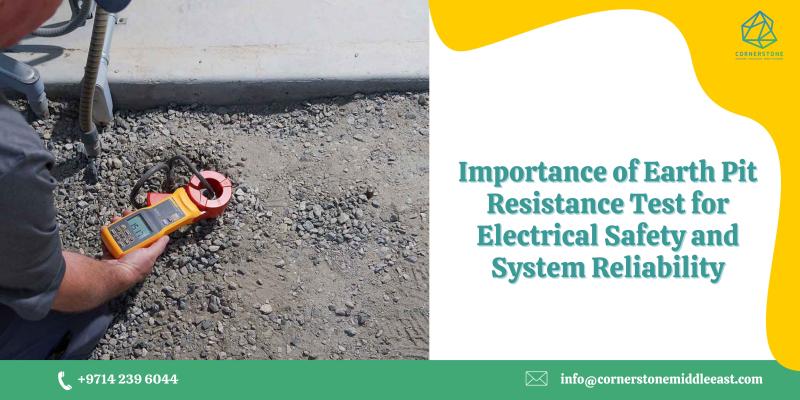
Electrical safety is one of the most critical aspects of any infrastructure—residential, commercial, or industrial. One essential procedure that ensures this safety is the earth pit resistance test. This test measures how effectively the grounding or earthing system can carry fault current to the ground. A well-maintained earthing system protects both people and equipment from electric shocks, equipment malfunctions, or even fire hazards.
Regular testing and inspections of the earth pits are essential to ensure that the system continues to perform as expected. In this blog, we will explore why the earth pit resistance test is vital, how it is performed, and what industries can gain from conducting it consistently. Reference has been taken from the professional testing and inspection services provided by Cornerstone Middle East to understand real-world applications and standards.
Understanding the Purpose of Earth Pit Resistance Test
The earth pit resistance test checks how efficiently the earthing system can discharge the electrical current into the earth. When electrical faults occur, the current must safely reach the ground without harming people or damaging devices.
Earthing systems are typically made up of conductors, rods, or plates that connect to a grounding electrode buried in the soil. Over time, soil conditions, corrosion, or poor installation can increase resistance. This is why testing is essential to ensure the effectiveness of the system.
Testing helps identify any issues before they become a safety hazard or cause equipment failure. If the resistance is too high, the earthing system may fail to protect the electrical installation, leading to serious consequences.
Standards and Guidelines Followed
According to international safety standards, such as those established by the IEEE and IEC, acceptable earth resistance values vary based on system requirements but generally should be less than 1 ohm for critical installations.
Service providers like Cornerstone Middle East follow strict inspection protocols and safety procedures to ensure that all earthing systems comply with these standards. Their team uses calibrated tools, certified processes, and in-depth knowledge to perform accurate testing.
Tools and Methods Used in Earth Pit Resistance Test
There are several methods used in conducting the earth pit resistance test, and the selection depends on the site conditions and installation type. The most commonly used methods include:
Fall-of-Potential Method
This is the standard technique used for testing. It involves placing two auxiliary electrodes at specific distances from the earth electrode and measuring the resistance.Clamp-On Method
This non-intrusive method is used when disconnecting the earth system is not feasible. It uses a clamp-on meter to measure resistance without breaking the system.Stakeless Testing
Ideal for commercial environments, this test uses existing grounding points and doesn't require additional ground rods or interference with the system.
Cornerstone Middle East is equipped with advanced digital testers and meters to ensure accurate and repeatable measurements using these methods.
Steps in Conducting the Earth Pit Resistance Test
A typical earth pit resistance test includes the following steps:
Site Inspection
The first step involves visually inspecting the earth pit and surrounding area. Any damage, rust, or visible looseness in connections is noted.Preparation of Equipment
The necessary test instruments such as Earth Testers or Earth Resistance Meters are prepared and calibrated before the test.Placing Test Electrodes
Two auxiliary electrodes are inserted into the ground at specified distances from the earth pit, following the fall-of-potential method.Measuring Resistance
The tester applies a voltage and measures the resulting current to calculate resistance. The results are recorded and compared against the acceptable standards.Reporting
A detailed test report is prepared, highlighting the test procedure, readings, compliance status, and recommendations for improvement if needed.
Importance of Regular Testing and Inspections
Over time, even the best-installed earthing systems can degrade. Moisture content in the soil, chemical reactions, and mechanical damage can raise resistance levels. That’s why it is recommended to carry out the earth pit resistance test periodically.
Some of the major benefits include:
Enhanced Safety: Prevents electrical shock hazards and fire outbreaks.
System Reliability: Ensures uninterrupted operation of sensitive electronic equipment.
Regulatory Compliance: Meets safety norms outlined by local and international electrical standards.
Early Fault Detection: Identifies high-resistance points before they escalate into critical failures.
Organizations like Cornerstone Middle East provide scheduled inspection services tailored to client needs. They also offer maintenance solutions if test results fall outside the acceptable range.
Who Needs Earth Pit Resistance Testing?
Industries and infrastructures that rely heavily on electrical systems must conduct these tests regularly. Some of the sectors include:
Manufacturing Plants
Data Centers
Hospitals
Commercial Complexes
Power Stations and Substations
Oil & Gas Facilities
In these environments, any failure in the grounding system can lead to significant downtime and risk. Regular earth pit resistance test ensures that these critical systems remain functional and safe.
Role of Certified Experts in Testing
Performing an accurate earth pit resistance test requires trained professionals. Inaccurate measurements can misrepresent system health and lead to wrong conclusions. Certified teams, like those at Cornerstone Middle East, ensure the correct procedures are followed.
They also provide documented test reports that are often required by insurance companies, regulatory authorities, and internal safety audits.
Conclusion
The earth pit resistance test is more than just a compliance requirement—it is a critical step toward ensuring the safety, reliability, and longevity of any electrical installation. With the growing complexity of infrastructure, the need for thorough testing and inspections has become more important than ever.
By conducting regular testing with reliable partners like Cornerstone Middle East, businesses can not only meet safety standards but also protect their people and assets from potential hazards. From accurate readings to corrective recommendations, expert services make all the difference in maintaining a low-resistance and effective earthing system.
If you haven’t scheduled your next earth pit resistance test, now is the time to act. It’s a small step with a huge impact on your safety and operational continuity.
Post Your Ad Here
Comments