Maximize LOTO Efficiency with Lockout Padlocks Tailored to Your Needs
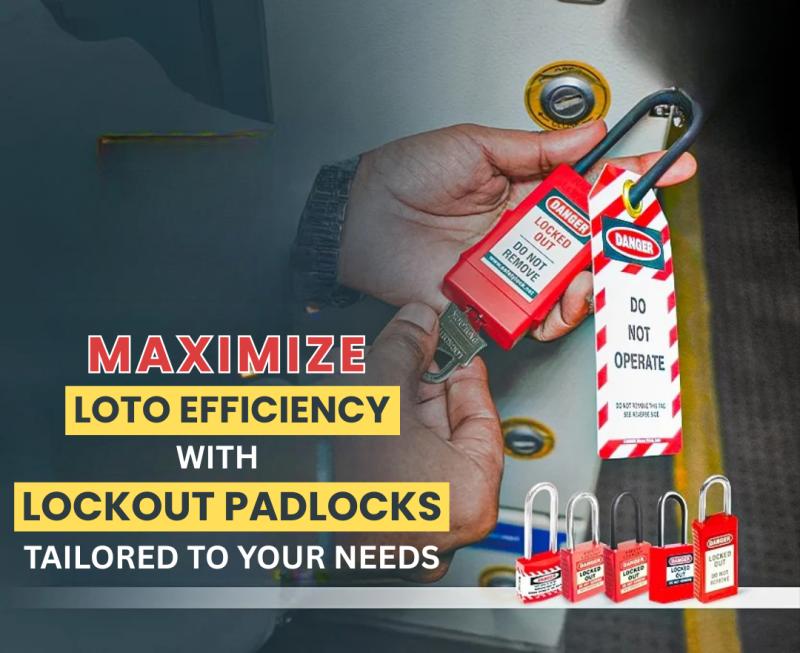
In high-risk industrial settings, Lockout Tagout
procedures are essential for protecting workers from hazardous energy during
maintenance and servicing. While the broader LOTO system includes a range of
devices and protocols, one of the most critical components is often the most
overlooked: the lockout padlock.
A padlock may appear simple, but its role in
ensuring the integrity of LOTO procedures is anything but. The right padlock
can streamline operations, reinforce accountability, and significantly reduce
the risk of accidental energization. To maximize LOTO efficiency, organizations
must select lockout padlocks that are not only compliant but also tailored to
their specific operational needs.
The Role of Padlocks in LOTO:
Lockout padlocks serve as the physical and symbolic
barrier between workers and hazardous energy. When applied correctly, they
prevent the unintended activation of machinery or equipment, ensuring that
maintenance personnel can work safely. Each padlock is typically assigned to an
individual worker, reinforcing personal responsibility and making unauthorized
removal a serious violation of safety protocols.
However, not all padlocks are created equal. Using
generic or poorly suited padlocks can lead to confusion, delays, or even safety
breaches. That’s why selecting the right padlock is a foundational step in
building an effective LOTO system.
Key Features of an Effective Lockout Padlock:
To support efficient and compliant LOTO operations, lockout padlocks should meet several essential criteria:
· Non-conductive
and corrosion-resistant materials: Especially important in electrical
or corrosive environments, materials like nylon or composite plastics prevent
conductivity and withstand harsh conditions.
· Color
coding: Assigning specific colors to departments, shifts,
or roles helps teams quickly identify who is responsible for each lockout,
reducing confusion and improving coordination.
· Unique
keying systems: Options such as keyed different (each padlock has
a unique key), keyed alike (multiple padlocks share a key), and master key
systems (supervisors can override individual locks) allow organizations to
customize access control based on their hierarchy and workflow.
· Custom
labeling or engraving: Including worker names, ID numbers, or department
codes directly on the padlock enhances traceability and accountability.
· Ergonomic
design: Lightweight, easy-to-handle padlocks reduce
fatigue and encourage proper use, especially in high-frequency lockout
environments.
Tailoring Padlocks to Your Operations:
Every facility has unique needs. Some may require
compact padlocks for tight spaces, while others need heavy-duty models for
outdoor or high-impact areas. Facilities with multilingual teams may benefit
from padlocks with pictograms or universal symbols. The key is to assess the
specific risks, workflows, and user preferences within your operation.
Customised padlocks not
only improve safety but also enhance efficiency. When workers can quickly
identify and apply the correct padlock, downtime is minimized and compliance
becomes second nature.
Integrating Padlocks into a Broader LOTO System:
Efficiency in LOTO doesn’t stop at the padlock.
It’s about how the padlock fits into the larger system - stations, tags, hasps,
procedures, and training. Standardizing padlock use across departments,
maintaining clear documentation, and ensuring compatibility with other lockout
devices are all part of a comprehensive approach.
Some best practices include:
· Pre-labeling
padlocks with user or department information.
· Storing
padlocks in centralized LOTO stations for easy access.
· Auditing
padlock usage to ensure compliance and identify gaps.
· Training
all personnel on proper padlock application and removal protocols.
Avoiding Common Pitfalls:
Even with the best intentions, LOTO efficiency can be undermined by:
· Reusing
padlocks across shifts or departments
· Using
padlocks without clear identification
· Failing
to replace damaged or worn padlocks
· Overlooking
compatibility with lockout devices or hasps
Regular audits, clear policies, and ongoing
training are essential to avoid these issues. Padlocks should be treated as
critical safety equipment - not just hardware.
Building a Culture of Ownership:
Lockout Tagout is
more than a checklist - it’s a culture. When workers see their name or
department on a padlock, they feel ownership. When padlocks are standardized
and respected, safety becomes a shared responsibility.
Encouraging this mindset starts with the right
tools. Padlocks that are easy to use, clearly marked, and purpose-built send a
powerful message: safety is personal, and every lockout matters.
Conclusion:
Maximizing LOTO efficiency begins with choosingthe right lockout padlocks - ones that align with your operational
needs, workforce structure, and safety culture. By investing in tailored,
compliant, and user-friendly padlocks, organizations can reduce risk, improve
response times, and foster a workplace where safety is second nature.
In the end, a padlock is more than a lock - it’s a promise. A promise that every worker goes home safe, every time.
Post Your Ad Here
Comments