From Electrical Panels to Pipeline Inspections: The Versatility of Thermography Testing
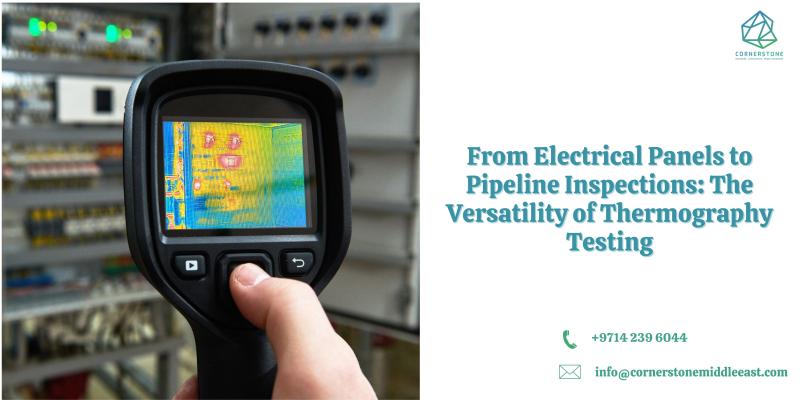
In industries where safety, efficiency, and equipment reliability are top priorities, thermography testing has emerged as a game-changing technology. This non-invasive method uses infrared imaging to detect heat patterns and identify potential issues before they turn into costly failures. By visualizing thermal anomalies, businesses can proactively address hidden faults, reduce downtime, and enhance system performance.
Cornerstone Middle East is a trusted provider of thermography testing services, helping industries across sectors maintain operational excellence. Let’s explore the full potential of this powerful inspection technique and understand why it's an essential tool for modern businesses.
1. Understanding Thermography Testing
Thermography testing works by capturing infrared radiation emitted by objects, converting it into thermal images. These images reveal temperature variations that may indicate underlying problems like loose electrical connections, mechanical wear, or insulation failures. This makes it a vital tool for preventive maintenance and safety inspections across multiple industries.
Non-Destructive and Non-Contact: Inspections can be conducted without physical contact, system shutdowns, or disruptions to operations.
Accurate Fault Detection: Even minor temperature anomalies can signal hidden issues, allowing teams to take corrective action early.
Cost-Effective Maintenance: Addressing issues before they escalate reduces repair costs and prevents unexpected equipment failures.
Comprehensive Monitoring: Suitable for electrical systems, mechanical components, structural integrity assessments, and fluid systems.
2. Key Applications of Thermography Testing
The versatility of thermography testing makes it invaluable for a wide range of industrial applications. Let’s dive into the core areas where this technology proves its worth.
A. Electrical System Inspections
Electrical faults are a leading cause of equipment failure and workplace hazards. Thermography testing can help detect hidden issues early, preventing catastrophic failures and enhancing safety.
Panel and Switchgear Inspections: Identify loose connections, overloaded circuits, and deteriorating components that could cause electrical fires.
Transformer and Motor Monitoring: Spot hot spots or uneven heating that might indicate internal faults or winding issues.
Cable and Conductor Analysis: Detect abnormal heating due to excessive current flow, poor insulation, or damaged conductors.
Circuit Breaker Assessments: Check for faulty breakers or uneven phase loads to ensure safe and balanced operations.
Regular electrical inspections with thermography testing not only improve safety but also extend the lifespan of equipment, reducing long-term maintenance costs.
B. Mechanical Equipment Monitoring
Mechanical systems generate heat as a byproduct of friction and movement. Thermography testing can reveal abnormal temperature patterns, signaling wear, misalignment, or lubrication issues.
Bearing and Shaft Analysis: Detect excessive friction or misalignment that could lead to mechanical failure.
Pump and Compressor Monitoring: Spot overheating components, blockages, or pressure imbalances.
Gearbox and Coupling Checks: Visualize thermal patterns to assess the health of rotating components.
Belt and Pulley Inspections: Identify misaligned or slipping belts causing uneven heat distribution.
By catching mechanical issues early, businesses can schedule timely maintenance, avoid costly breakdowns, and keep operations running smoothly.
3. Structural and Building Assessments
Thermal imaging is a powerful tool for evaluating buildings, infrastructure, and industrial facilities. It helps identify structural defects, energy losses, and potential safety risks without destructive testing.
A. Building Envelope Inspections
Thermography testing can reveal issues that compromise building efficiency and occupant comfort.
Leak Detection: Pinpoint water intrusion in roofs, walls, and windows that could lead to mold, decay, and structural damage.
Insulation Gaps: Identify poorly insulated areas that cause heat loss, increasing energy consumption and utility costs.
HVAC System Performance: Visualize air leaks, blockages, or malfunctioning components that impact heating and cooling efficiency.
Electrical Safety in Buildings: Scan for overheating electrical connections, preventing potential fire hazards.
These inspections help property owners and facility managers make informed decisions, improve energy efficiency, and maintain structural integrity.
B. Pipeline and Fluid System Inspections
In industries like oil, gas, and chemical processing, undetected pipeline issues can lead to serious safety incidents and environmental damage. Thermography testing provides a fast, accurate way to inspect these systems without disrupting operations.
Leak Detection: Identify leaks in pipelines, tanks, and vessels by spotting abnormal temperature changes caused by escaping fluids.
Corrosion and Erosion Monitoring: Track thermal patterns to detect internal corrosion or thinning pipeline walls.
Blockage and Flow Analysis: Visualize flow restrictions, sediment buildup, or valve malfunctions.
Steam and Hot Water Systems: Monitor heat loss and insulation effectiveness to optimize energy usage.
By integrating thermography testing into regular maintenance schedules, companies can prevent costly accidents, ensure regulatory compliance, and protect the environment.
4. Why Choose Cornerstone Middle East for Thermography Testing?
Partnering with a reliable service provider like Cornerstone Middle East ensures that your thermography testing is conducted with precision and expertise. Their team uses advanced infrared cameras and industry-leading practices to deliver accurate, actionable insights for your business.
Cutting-Edge Equipment: High-resolution infrared cameras capture even the smallest temperature variations.
Experienced Professionals: Trained thermographers interpret thermal images and provide detailed, easy-to-understand reports.
Customized Testing Programs: Tailored inspection plans to meet the specific needs of your equipment, facility, or industry.
Actionable Maintenance Recommendations: Clear, data-driven insights help businesses prioritize repairs and optimize asset management.
Compliance and Safety Assurance: Regular thermographic inspections help meet industry standards and prevent safety violations.
With Cornerstone Middle East, you can confidently leverage thermography testing to enhance your maintenance strategies, improve safety, and boost overall efficiency.
Conclusion
Thermography testing is a versatile, non-invasive, and highly effective tool for identifying hidden issues across electrical systems, mechanical equipment, building structures, and fluid pipelines. By visualizing temperature anomalies, businesses can proactively address faults, prevent costly failures, and ensure long-term operational success.
Cornerstone Middle East’s expert thermography services provide the accuracy and insights needed to optimize asset performance and safety. Whether you’re managing a manufacturing plant, commercial facility, or energy infrastructure, investing in regular thermography testing is a smart move for protecting your assets and maintaining peak efficiency.

Post Your Ad Here
Comments