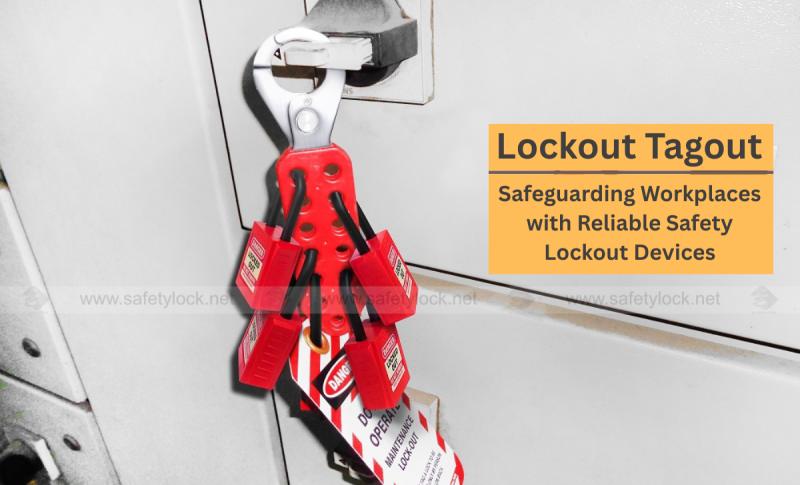
Lockout Tagout: Safeguarding Workplaces with Reliable Safety Devices
In workplaces where machinery and
equipment are regularly serviced or maintained, the risk of accidental energy
release poses a serious threat to worker safety. To mitigate this risk, the
Lockout Tagout system is a critical safety procedure that ensures dangerous
machines are properly shut off and not restarted until maintenance is complete.
With the help of reliable safety devices, LOTO not only prevents accidents but
also ensures compliance with safety regulations such as those outlined by OSHA (Occupational Safety and Health Administration).
What is Lockout Tagout (LOTO)?
If you clearly understand what Lockout Tagout is and how to control hazardous energy, you can
significantly reduce and often avoid all types of accidents that may result
from LOTO negligence.
Lockout Tagout refers to specific
practices and procedures designed to safeguard employees from the unexpected
energization or startup of machinery and the release of hazardous energy during
maintenance or servicing activities. This system involves two key elements:
- Lockout: Physically locking the energy-isolating device using specialized
lockout devices and padlocks.
- Tagout: Attaching warning tags to indicate that the equipment is under
maintenance and must not be operated.
Together, these measures prevent
unauthorized operation and ensure that workers performing maintenance are
protected from potential hazards.
The
Importance of Reliable Safety Devices
The effectiveness of any LOTO program
hinges on the quality and reliability of the safety devices used. These devices
must be durable, easy to use, and capable of withstanding the environmental
conditions of the workplace. Using substandard or makeshift tools can lead to
lockout failure, equipment damage, or, worse, injuries and fatalities.
Reliable
lockout tagout devices include:
- Lockout Padlocks: Specifically designed with non-conductive materials, unique
keying systems, and tamper-resistant features.
- Safety Tags: Brightly colored tags that convey critical information about who
locked the equipment and why.
- Lockout Hasps: Allow multiple workers to apply their locks on a single isolation
point, ensuring collaborative maintenance safety.
- Circuit Breaker
Lockouts: Prevent breakers from being switched on
during electrical work.
- Valve Lockouts: Secure ball, gate, butterfly, and other valve types in the off
position.
- Lockout Stations: Centralized boards or kits to store and organize LOTO devices for
quick access.
Each device is tailored to isolate
specific types of energy sources - mechanical, hydraulic, electrical, thermal,
or pneumatic - and must be chosen based on the equipment and energy type
involved.
Industries
That Benefit from LOTO Implementation
LOTO procedures are applicable across
a wide range of industries including manufacturing, oil and gas, utilities,
construction, chemical processing, and food production. In any environment
where moving parts, pressurized systems, or high voltage are present, LOTO is
essential to minimize workplace risks.
For
instance:
- In manufacturing, machinery often requires
regular maintenance. Lockout devices ensure machines cannot be restarted
accidentally.
- In the energy sector, isolation of
high-voltage systems using circuit breaker lockouts prevents fatal shocks.
- In water treatment plants, valve lockouts
ensure workers aren’t exposed to pressurized chemicals or gases.
Compliance
and Legal Requirements
According to OSHA standard 29 CFR
1910.147, employers are required to develop and implement LOTO programs that
include training, periodic inspections, and proper use of energy control
devices. Non-compliance can lead to severe penalties, legal action, and
irreversible workplace accidents.
Investing in certified and
durable lockout tagout devices is not just a matter of
regulatory compliance - it reflects an organization’s commitment to worker
safety and operational excellence.
Training:
A Critical Component
While having the right devices is
crucial, employee training is equally important. Workers must understand how to
identify energy sources, apply the correct lockout devices, attach proper tags,
and follow the procedure for verifying energy isolation. Regular training
ensures consistency and reinforces a culture of safety.
Conclusion
Lockout Tagout is more than just a procedural
checklist - it's a life-saving safety system that protects employees from
hazardous energy during maintenance and servicing activities. By using
high-quality, purpose-built safety devices and ensuring comprehensive training,
organizations can effectively prevent accidents, protect their workforce, and
remain compliant with safety standards.
A strong LOTO program reflects a
proactive approach to workplace safety - one that values human life over convenience
and sets the foundation for a safer, more efficient work environment.
Post Your Ad Here
Comments