Everything You Need to Know about Valve Lockout Devices for Safety
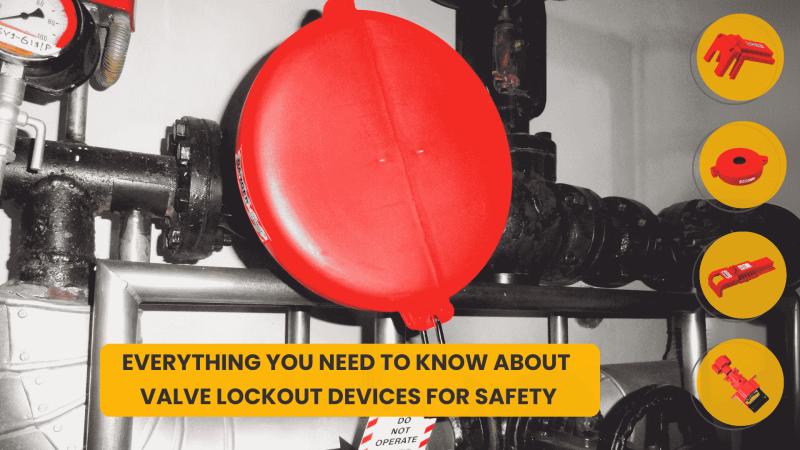
Valve lockouts are essential devices
in industrial and workplace safety, ensuring the effective isolation of
hazardous energy sources. These devices prevent unauthorized operation of
valves during maintenance or repair work, reducing the risk of accidents,
injuries, and regulatory non-compliance. Understanding their importance, types,
and applications can help organizations establish a robust Lockout Tagout
program.
What is a Valve Lockout Device?
A valve lockout device is a device
designed to secure a valve in the off position, preventing it from being turned
on accidentally or deliberately. They are used in various industries, including
manufacturing, oil and gas, chemical plants, and food processing facilities,
where fluid and gas control is critical to operations.
These devices play a crucial role in
energy isolation procedures, ensuring that valves remain inoperable until
maintenance is complete and safety checks are performed.
Types of Valve Lockout Devices:
There are several types of valve
lockout devices designed to fit different kinds of valves. Some of the most
common types include:
Gate Valve Lockouts
· Designed for wheel-operated gate valves, these
cover the valve wheel completely, preventing access.
· Available in various sizes to fit different valve
diameters.
· Highly visible, often in bright colors to enhance
awareness.
Ball Valve Lockouts
· Used for lever-operated ball valves, these lockouts
fit over the valve handle and prevent it from being turned.
· Ball Valve lockouts are available in different sizes to
accommodate various valve diameters.
· Typically made from durable, chemical-resistant
materials like polypropylene or metal.
Butterfly Valve Lockouts
· Clamps onto the valve handle, restricting movement.
· Suitable for butterfly valves used in pipeline
systems.
· Offers a secure locking mechanism to prevent
unauthorized operation.
Plug Valve Lockouts
· Used for plug valves, these devices prevent the
plug from rotating.
· Commonly found in fluid control systems where plug
valves regulate flow.
Why Use Valve Lockout Devices?
Implementing valve lockout devices
provides several benefits, ensuring compliance with workplace safety standards
and regulations. Here are key reasons why organizations should invest in these
devices:
Prevention of Workplace Accidents
· Valve lockouts ensure that machinery and pipelines
remain deactivated, preventing accidental energy releases.
· Helps avoid dangerous incidents such as gas leaks,
chemical spills, and fluid-related hazards.
Compliance with Safety Regulations
· Regulatory agencies like OSHA (Occupational Safety
and Health Administration) mandate the use of lockout devices in energy control
programs.
· Proper use of lockout devices helps
businesses avoid hefty fines and legal penalties.
Improved Worker Safety
· Reduces the risk of injuries caused by unexpected
valve activation.
· Ensures maintenance personnel can work confidently
without fear of accidental exposure to hazardous substances.
Enhanced Operational Efficiency
· Minimizes downtime due to workplace accidents and
equipment malfunctions.
· Streamlines safety procedures, making maintenance
tasks more efficient.
How to Implement Valve Lockout Devices Effectively:
To ensure the effective use of valve
lockout devices, organizations should follow these steps:
Identify
Critical Valves: Conduct
an assessment of all valves that require lockout for maintenance and safety
compliance.
Choose
the Right Lockout Device: Select a lockout device that fits the specific valve type and size.
Train
Employees on Proper Usage: Provide
comprehensive training on how to install, remove, and manage lockout devices.
Develop
a LOTO Policy: Establish
a formal Lockout/Tagout program that includes written procedures for using
lockout devices.
Inspect
and Maintain Lockout Equipment: Regularly
check lockout devices for wear and tear, replacing any that are damaged.
Valvelockout devices are
a vital component of workplace safety programs, preventing accidental operation
of critical valves and reducing the risk of hazardous energy exposure. By
selecting the appropriate lockout device, training employees, and adhering to
safety regulations, organizations can create a safer work environment and
enhance operational efficiency.
Investing in high-quality valve
lockout devices is not just a regulatory necessity - it is a proactive step
toward safeguarding workers and ensuring uninterrupted industrial operations.


Post Your Ad Here
Comments