Types of Allergic Eye Disease

There
are various types of allergic eye disease but the main types are seasonal,
perennial and contact allergic conjunctivitis, atopic keratoconjunctivitis,
vernal keratoconjunctivitis and giant papillary conjunctivitis. Here I will go
through these types of allergic eye disease.
Seasonal Allergic Conjunctivitis
This
type of eye disease, as its name suggests, is seasonal and affects people
depending on the type of pollen, such as weed pollen; this is released in late
autumn, tree pollen; this is released during spring, and grass pollen; this is
released during the summer months. It normally comes as a side effect of hay
fever. Common symptoms include irritated, red, and watery eyes. The eyelids can
be swollen or puffy.
Perennial Allergic Conjunctivitis
This
eye allergy has the same symptoms as the seasonal form but they occur all year
round instead of certain times depending on air pollen. The symptoms of this
type of eye disease are generally milder than its seasonal cousin. With this year
round allergy, people have a response to mold, pet hair, dust and other
domestic allergens.
Atopic Keratoconjunctivitis
This
type of allergic eye disease is a form of eye allergy that is severe and
involves the inner lower lid lining but can also include the cornea. Atopic
keratoconjunctivitis mainly affects young adults but can persevere for years
and can occur all year round. A lot of people who suffer with this type of eye
allergy usually suffer allergic rhinitis, atopic dermatitis and sometimes
asthma. Symptoms can include burning, intense itching, redness and the
production of thick mucus. Common causes are dust mites and pet hair amongst
others. If atopic keratoconjunctivitis is left untreated complications can
occur such as corneal scarring and infection, this is why it is very important
to seek attention from an eye doctor if you feel you suffer from this type of
allergy.
Vernal Keratoconjunctivitis
Vernal
keratoconjunctivitis is more serious than some other types of eye allergies. It
mainly affects boys and young men who mostly have a family history of allergies
or have eczema or asthma. Symptoms include itching, photophobia, foreign body
sensation, intense tearing and thick mucus production. Visually the eye area
may be swollen and red and there are hard bumps underneath the upper eyelid. It
can affect people all year round but symptoms can get worse seasonally. If left
untreated this eye allergy may impair vision and in very severe circumstances
can cause corneal ulcers leading to scarring.
Contact Allergic Conjunctivitis
This
type of eye allergy is caused by contact lens irritation which is caused by an
allergic reaction in the conjunctiva or it can be caused by the proteins found
in tears binding to the surface of the lens. Symptoms include itching, redness,
mucus and being uncomfortable in contact lenses. It is best to go to your eye
clinic if you feel you are suffering with this before it gets worse. Your eye
specialist may recommend changing your contact lenses and/or contact lens solution.
Giant Papillary Conjunctivitis
This type of eye allergy is linked to wearing contact lenses and is a severe form of the contact allergy described above where papules (fluid sacs) develop on the lining of the upper inner eyelid and appear as hard bumps. The causes can be from an allergic reaction to the contact lens and/or solution, an allergy to a buildup of allergens, such as pollen, on the contact lens or rubbing from a contact lens, old scar or other types of foreign body in the eye. Symptoms can include itching, tearing, puffiness, foreign body sensation, mucus and being unable to tolerate contact lenses. This is an eye allergy that must be assessed by an eye clinic to determine the best treatment, which normally consist of not wearing contact lenses for some time and changing from one type of contact lens to another.
Author:
Samer
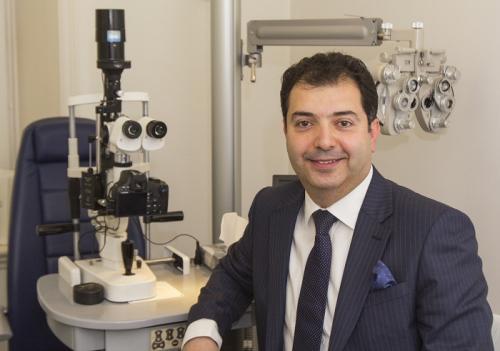
Hamada is a distinguished consultant ophthalmologist and cornea surgeon
performing eye surgeries at his practice, the Eye Clinic London. With nearly
two decades' experience, Mr. Hamada is recognised as a leading expert in the
field of cataract, refractive lens exchange (RLE) and corneal surgeries.
Please
visit http://eyecliniclondon.com/
Please
call 0800 197 8808 for friendly advice and information.
Post Your Ad Here
Comments